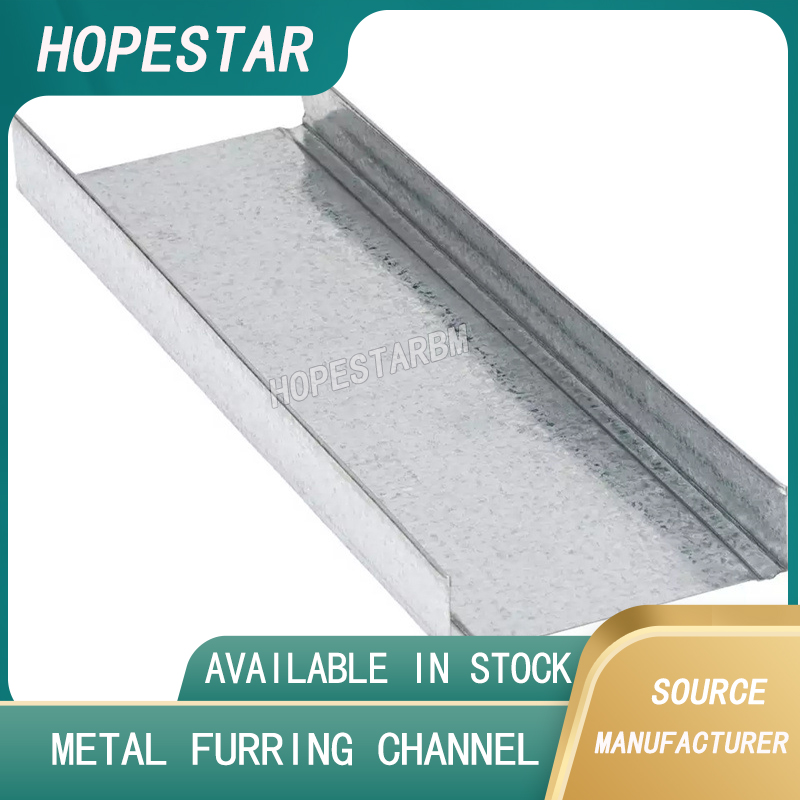
What Are the Standard Sizes of Z Channel?
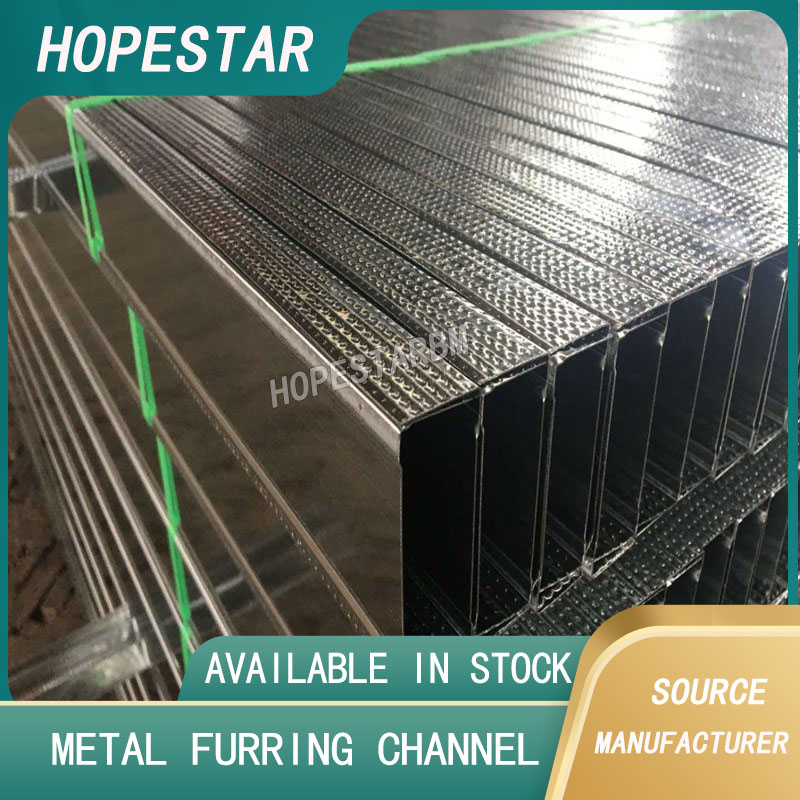
A Z channel, also known as a Z purlin or Z furring channel, is a versatile steel framing component used widely in construction for walls, ceilings, and roof structures. Its distinctive “Z” shape provides strength, stability, and the ability to overlap for continuous spans. Understanding the standard sizes of Z channel is essential for architects, engineers, and contractors to ensure structural integrity and ease of installation.
Common Dimensions of Z Channel
Z channels come in a variety of widths, depths, and thicknesses to suit different building requirements. The key dimensions include:
1. Flange Widths
The flanges of a Z channel typically range from 25 mm (1 inch) to 100 mm (4 inches). Flange width determines the surface area for fixing panels, insulation, or cladding and influences overall strength. Wider flanges are often used in commercial or industrial applications to support heavier loads.
2. Web Depth
The web, or vertical section of the Z, commonly ranges from 40 mm (1.5 inches) to 150 mm (6 inches). Deeper webs provide greater structural stiffness and load-bearing capacity, making them suitable for roofing purlins or wall framing in taller buildings.
3. Material Thickness
Z channels are manufactured in various steel gauges or thicknesses, typically ranging from 0.8 mm to 3 mm (20 gauge to 12 gauge). Thicker steel channels offer higher load support but are heavier to handle, while thinner channels are easier to install in lightweight constructions.
4. Lengths
Standard Z channel lengths vary depending on the manufacturer and application. Common stock lengths range from 3 meters (10 feet) to 6 meters (20 feet). Custom lengths can be fabricated to meet specific building designs or to minimize on-site splicing.
Why Standard Sizes Matter
Using standard Z channel sizes simplifies design calculations, reduces installation errors, and ensures compatibility with fasteners and connectors. Builders can select the appropriate size based on load requirements, building height, roof pitch, and panel type. Standardization also reduces waste and improves project efficiency.
Typical Applications
Z channels are used in a wide range of applications, including:
-
Steel roof purlins for industrial buildings
-
Wall framing in commercial and residential construction
-
Support for insulated panels or cladding
-
Structural reinforcement in retrofitting projects
Tips for Selecting Z Channel Size
-
Assess the load-bearing requirements of your project
-
Consider the spacing between supports or rafters
-
Match the channel depth and flange width with panel or insulation thickness
-
Check local building codes for material specifications
Conclusion
Knowing the standard sizes of Z channel is crucial for designing strong, durable, and efficient structures. By selecting the appropriate flange width, web depth, thickness, and length, contractors can ensure proper support for walls, roofs, and ceilings while maintaining safety and structural integrity. Whether for industrial, commercial, or residential applications, Z channels provide a reliable and versatile solution in modern construction.
How Long Is the Metal Furring?
What Is an Aluminum Hat Channel Used For?
Related Article