What Is an Aluminum Hat Channel Used For?
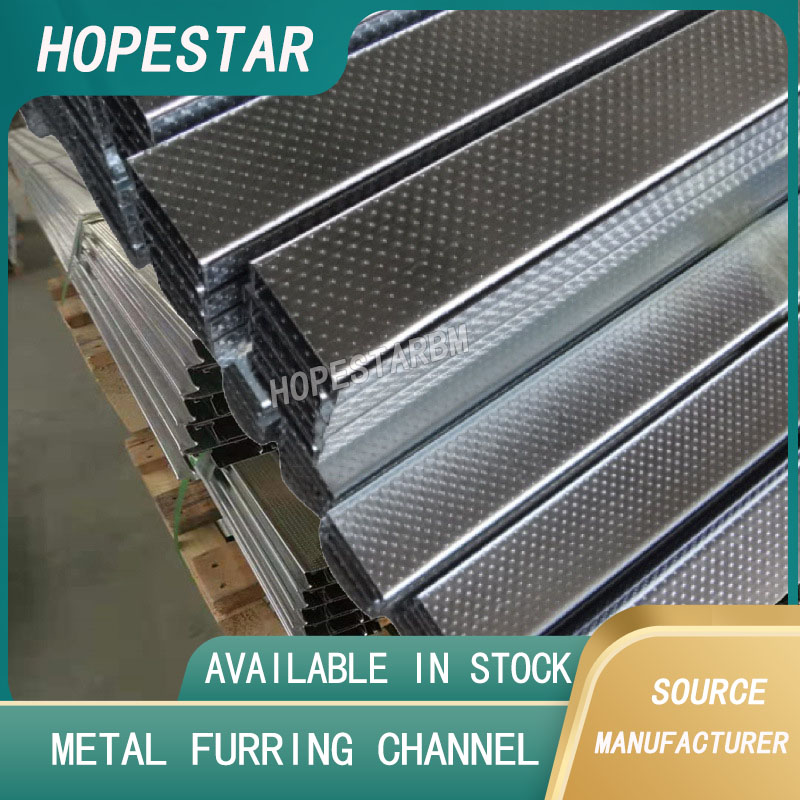
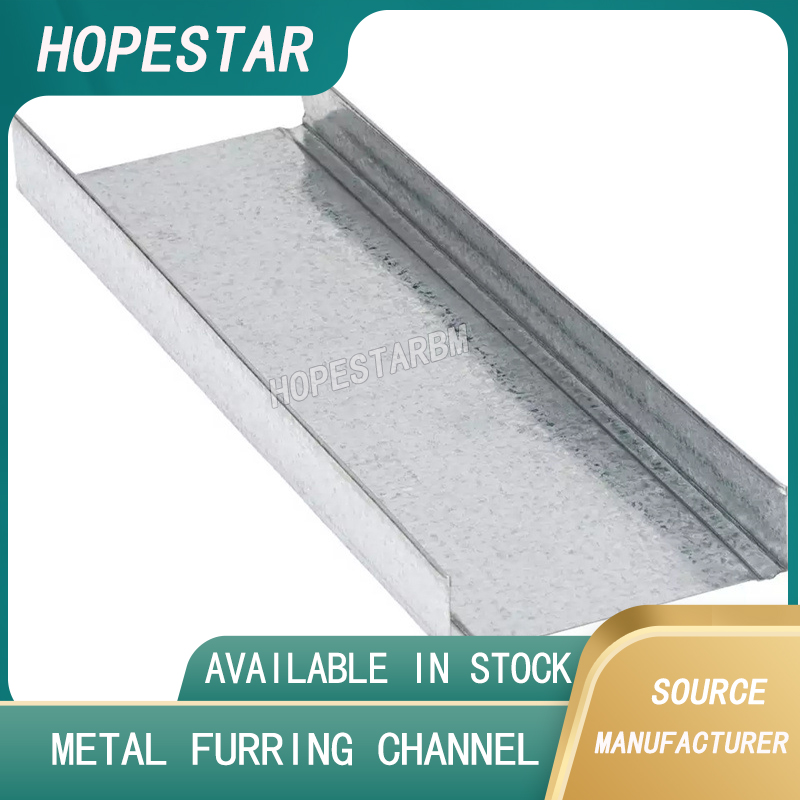
An aluminum hat channel is a lightweight, corrosion-resistant framing component widely used in construction and industrial applications. Named for its distinctive “hat-shaped” cross-section, this metal profile provides strength, stability, and spacing between surfaces. Thanks to aluminum’s natural resistance to rust and its excellent strength-to-weight ratio, aluminum hat channels are ideal for both interior and exterior projects.
Primary Uses of Aluminum Hat Channel
1. Wall and Ceiling Furring Systems
One of the most common uses of an aluminum hat channel is in wall and ceiling furring applications. It creates a level, stable surface for attaching drywall, panels, or cladding materials. The raised profile allows contractors to correct uneven substrates such as concrete or masonry walls while maintaining structural alignment.
2. Exterior Cladding Support
Aluminum hat channels are frequently used to support exterior siding systems, including metal panels, composite boards, and fiber cement cladding. The channel creates a cavity between the building structure and the outer panel, improving ventilation and moisture drainage. This air gap helps prevent water accumulation and increases the lifespan of exterior finishes.
3. Marine and Coastal Construction
Because aluminum naturally resists corrosion, aluminum hat channels are particularly popular in marine environments and coastal areas. Unlike steel, aluminum does not rust when exposed to salt air, making it suitable for docks, boat houses, and seaside buildings.
4. Insulation and Rainscreen Systems
In modern energy-efficient construction, aluminum hat channels are often integrated into continuous insulation and rainscreen assemblies. They provide structural backing for cladding while maintaining space for insulation layers, improving thermal performance and reducing thermal bridging.
5. Equipment Mounting and Industrial Applications
Beyond building construction, aluminum hat channels are used in industrial settings to mount equipment, electrical panels, and lightweight structures. Their precision shape allows for easy fastening and consistent spacing.
Advantages of Aluminum Hat Channel
Corrosion Resistance – Aluminum naturally forms a protective oxide layer, making it highly resistant to rust and weathering.
Lightweight Design – Compared to steel alternatives, aluminum hat channels are easier to handle and install, reducing labor costs.
High Strength-to-Weight Ratio – Despite being lightweight, aluminum provides strong structural support.
Low Maintenance – Aluminum requires minimal upkeep, especially in outdoor applications.
Sustainable Material – Aluminum is recyclable, making it an environmentally friendly choice for green building projects.
Standard Sizes and Specifications
Aluminum hat channels are available in various widths, heights, and thicknesses to meet different structural requirements. Common depths range from 7/8 inch to 1-1/2 inches, though custom sizes are often available. Thickness selection depends on load requirements and spacing needs.
Why Choose Aluminum Hat Channel?
As construction trends continue to prioritize durability, sustainability, and performance, aluminum hat channels have become a preferred solution for architects and contractors. Their ability to provide structural support while resisting corrosion makes them ideal for demanding environments.
Whether used for wall leveling, exterior cladding systems, or specialized industrial applications, the aluminum hat channel delivers reliable performance and long-term value in modern construction projects.
What Are the Standard Sizes of Z Channel?
What Is Furring Channel?
Related Article