
What Is Furring Channel?
2026-03-02
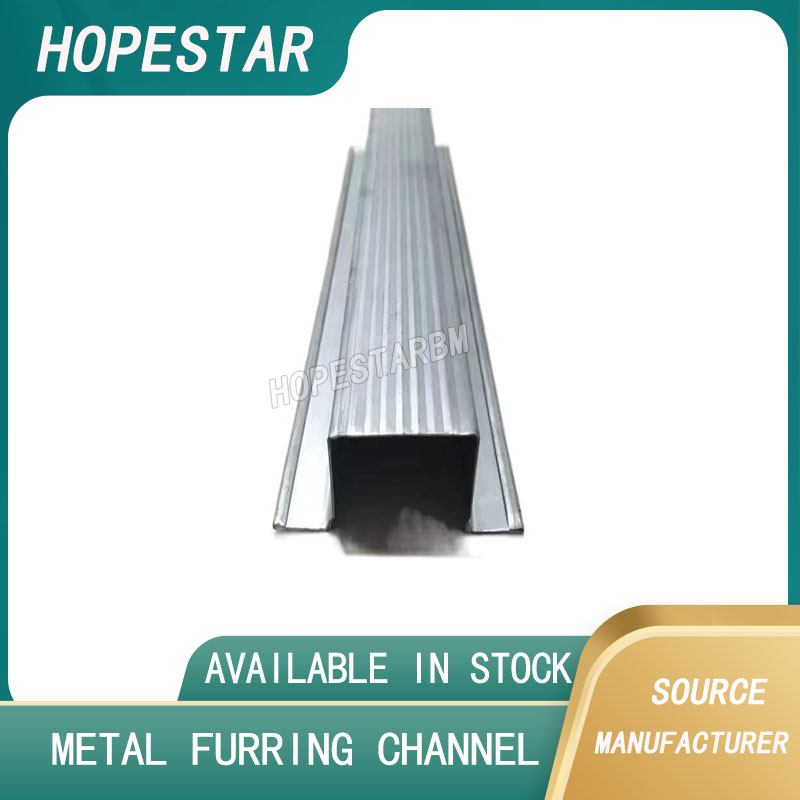
The furring channel is a high-performance steel framing component widely used in commercial and residential construction. A globally recognized supplier of drywall and ceiling systems, the furring channel is known for its precision engineering, durability, and compliance with international building standards. Builders and contractors rely on this product to create stable, level frameworks for ceilings and wall linings.
What Is Furring Channel?
A furring channel is a cold-formed, galvanized steel section designed to support plasterboard, gypsum panels, and other interior linings. It is typically used in suspended ceiling systems or direct-fixed wall applications. The channel provides a secure base that ensures smooth alignment and long-term structural performance.
Unlike traditional timber battens, the furring channel offers superior dimensional stability. It does not warp, twist, or shrink over time, making it ideal for projects that demand accuracy and durability.
Key Features of Furring Channel
1. High-Quality Galvanized Steel
furring channels are manufactured using premium galvanized steel, offering excellent resistance to corrosion and environmental wear.
2. Precision Roll-Formed Design
The consistent shape and thickness ensure reliable load performance and easy installation.
The consistent shape and thickness ensure reliable load performance and easy installation.
3. Compatibility with Ceiling Systems
The furring channel integrates seamlessly with suspension clips, top cross rails, and other ceiling components within the system range.
The furring channel integrates seamlessly with suspension clips, top cross rails, and other ceiling components within the system range.
4. Fire and Acoustic Performance
Steel framing systems such as the furring channel contribute to improved fire resistance and acoustic control when used in compliant assemblies.
Steel framing systems such as the furring channel contribute to improved fire resistance and acoustic control when used in compliant assemblies.
Common Applications
The furring channel is commonly used in:
The furring channel is commonly used in:
Suspended plasterboard ceiling systems
Direct-fixed ceiling applications
Wall lining support systems
Commercial office fit-outs
Residential renovations
In suspended ceilings, the channel is typically clipped into a suspension system to create a level grid that supports plasterboard sheets. For direct-fixed ceilings, it can be fastened directly to structural members to reduce ceiling height while maintaining stability.
Advantages Over Timber Furring
Using a furring channel instead of timber battens offers several advantages. Steel does not expand or contract with humidity changes, ensuring a straighter and more consistent finish. It also provides better long-term structural integrity and complies more easily with modern fire safety regulations.
Using a furring channel instead of timber battens offers several advantages. Steel does not expand or contract with humidity changes, ensuring a straighter and more consistent finish. It also provides better long-term structural integrity and complies more easily with modern fire safety regulations.
Standard Sizes and Specifications
furring channels are available in various gauges and lengths to meet different project requirements. Standard profiles are designed to support common plasterboard thicknesses and span distances. Selecting the appropriate specification depends on ceiling design, load requirements, and building codes.
furring channels are available in various gauges and lengths to meet different project requirements. Standard profiles are designed to support common plasterboard thicknesses and span distances. Selecting the appropriate specification depends on ceiling design, load requirements, and building codes.
What Is an Aluminum Hat Channel Used For?
What Is a Metal Furring?
Related Article

Ceiling wall angle, also known as perimeter angle or L-angle, is an indispensable L-shaped metal profile for suspended drywall ceiling systems. Roll-formed from cold-rolled galvanized steel, ceiling wall angle is fixed along the wall perimeter to support the ends of main channels and furring channels,
Ceiling Wall Angle – Galvanized L-Shaped Perimeter Trim for Suspended Drywall Ceilings
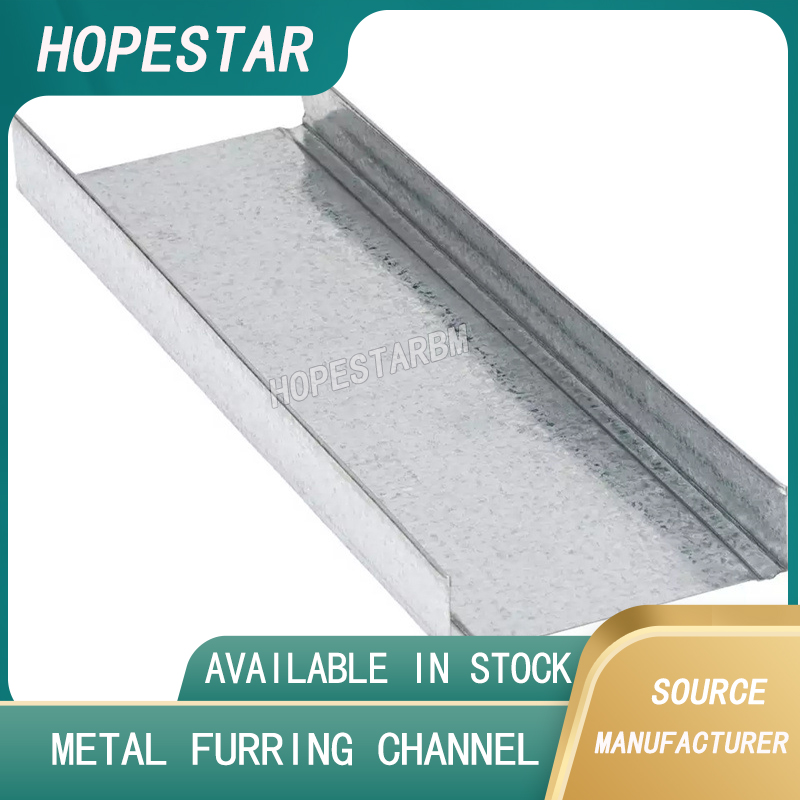
Galvanized steel profiles are the foundational metal framing components widely used in modern interior construction. Roll-formed from cold-rolled steel coated with protective zinc layer, galvanized steel profiles cover a full range of shapes including C studs, U tracks, omega channels,
Galvanized Steel Profiles – Reliable Cold Rolled Framing for Drywall Walls and Ceilings

Metal furring channel for ceiling is a vital secondary framing component widely used in suspended ceiling and drywall ceiling systems. Roll-formed from cold-rolled galvanized steel, this lightweight metal profile works together with main channels, hangers and wall angles to create a level,
Metal Furring Channel for Ceiling – Galvanized Secondary Framing for Suspended Drywall Ceilings

Metal omega channel, also widely called omega furring channel or hat channel, is an indispensable secondary metal framing profile for modern suspended ceilings and drywall wall furring systems. Named after its distinctive Ω shape, this profile is roll-formed from cold-rolled galvanized steel
Metal Omega Channel – Galvanized Omega Furring Channel for Drywall Ceiling and Wall Framing