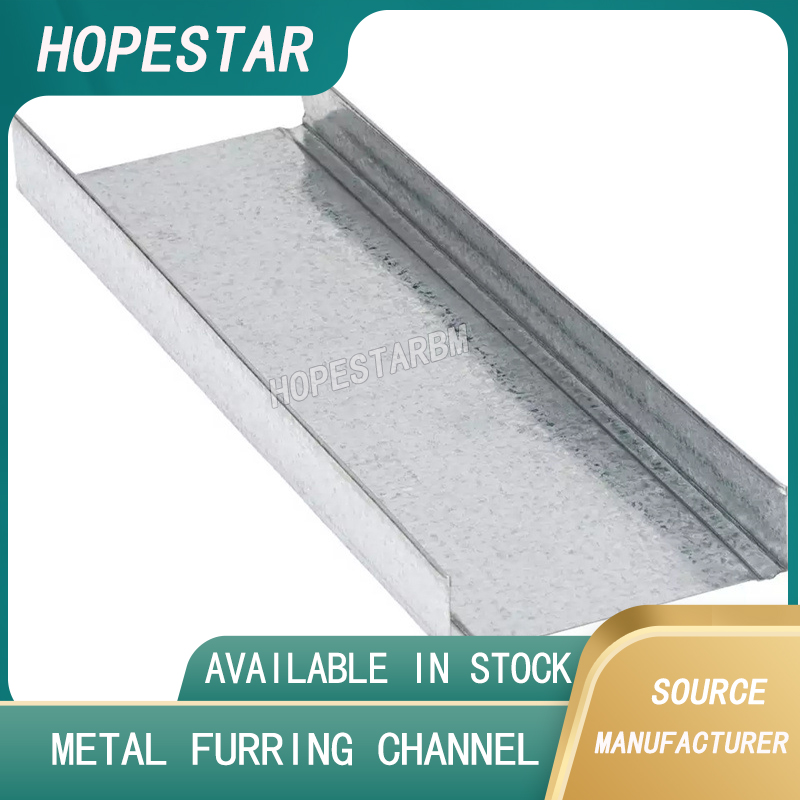
What Is a Metal Furring?
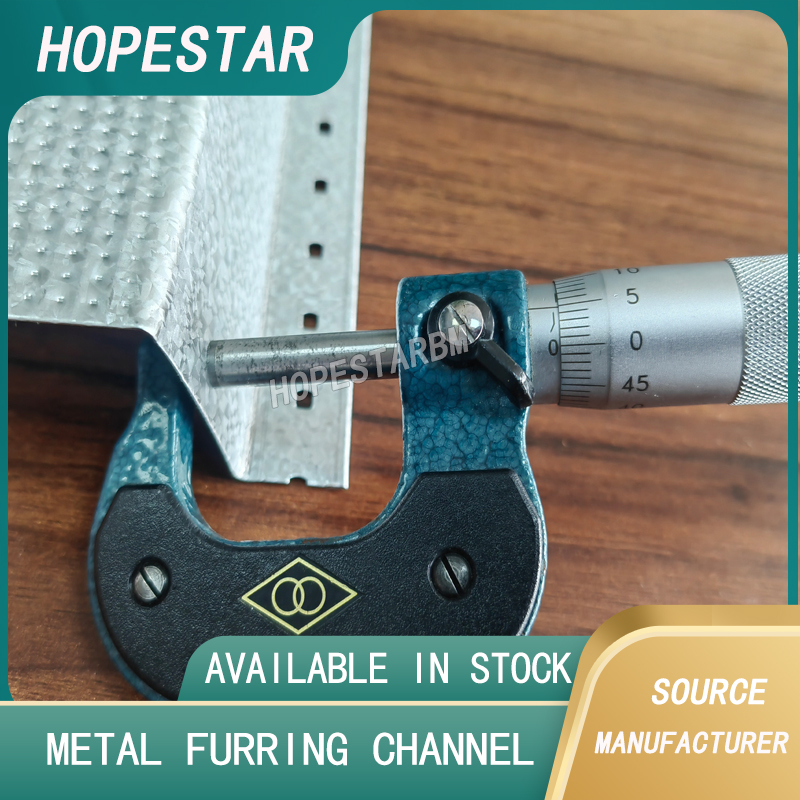
Metal furring is a lightweight steel framing system used to create a level, stable surface for attaching interior or exterior finishing materials. In construction, “furring” refers to the process of installing strips or channels over an existing structure—such as concrete, masonry, or steel—to support drywall, plasterboard, or cladding panels. A metal furring system replaces traditional wood furring strips with galvanized steel components, offering improved durability and long-term performance.
Understanding Metal Furring Systems
A metal furring system typically consists of cold-formed galvanized steel channels. These channels are installed horizontally or vertically across walls or ceilings to provide a secure attachment point for finishing materials. The system creates a small cavity between the structural surface and the finished layer, which can be used for insulation, wiring, or moisture control.
Unlike wood strips, metal furring does not warp, shrink, or rot. This makes it especially suitable for areas exposed to humidity, temperature changes, or potential moisture infiltration.
Common Types of Metal Furring
There are several types of metal furring components used in construction:
Hat Channels – Shaped like a top hat, these channels are commonly used for ceilings and wall applications. Their design increases strength while remaining lightweight.
Z Channels – Designed with a Z-shaped profile, these are often used in exterior wall systems to support insulation and cladding.
Resilient Channels – Specifically designed for soundproofing assemblies, resilient channels help reduce vibration transfer between framing and drywall.
Each type of metal furring serves a specific purpose depending on the project requirements.
Main Uses of Metal Furring
1. Wall Leveling and Finishing
Metal furring creates a smooth, even surface over uneven concrete or masonry walls. This ensures professional-quality drywall or panel installation.
2. Ceiling Support
In ceiling systems, metal furring channels support gypsum boards or acoustic panels while maintaining structural stability.
3. Insulation Installation
The cavity formed by metal furring provides space for rigid foam or mineral wool insulation, improving thermal performance.
4. Moisture Management
By separating the finish layer from the structural wall, metal furring allows air circulation and helps prevent moisture buildup.
Advantages of Metal Furring
Durability – Galvanized steel resists corrosion and maintains structural integrity over time.
Fire Resistance – Unlike wood, metal does not contribute to flame spread.
Dimensional Stability – Metal furring maintains its shape and alignment.
Cost Efficiency – Faster installation and reduced maintenance lower overall project costs.
Standard Sizes and Specifications
Metal furring channels are available in various gauges and depths. Common gauges range from 20 to 25 gauge, depending on load requirements. Depth options vary to accommodate insulation thickness and finishing material weight. Proper spacing and fastening methods are critical for optimal performance.
What Is Furring Channel?
What Is the Metal Hat Channel Used For? A Complete Guide for Builders
Related Article