What Is the Metal Hat Channel Used For? A Complete Guide for Builders
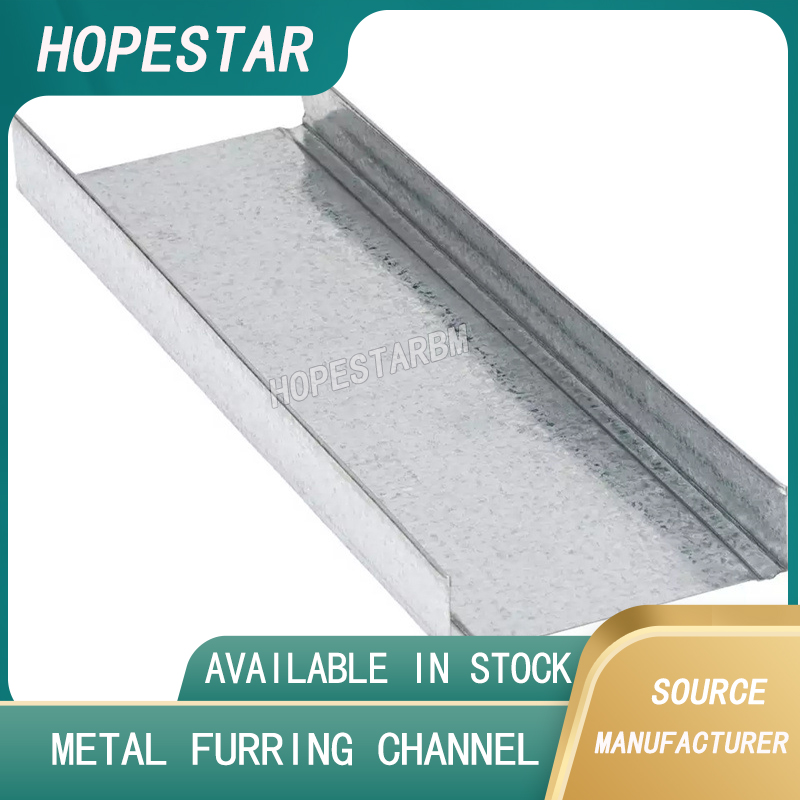
A metal hat channel is a versatile framing component widely used in modern construction. Named for its distinctive hat-like profile, this lightweight yet durable steel channel plays a critical role in wall, ceiling, and cladding systems. Contractors rely on metal hat channels to create stable support structures, improve surface alignment, and enhance overall building performance.
Primary Uses of Metal Hat Channel
1. Ceiling Framing Systems
One of the most common applications of a metal hat channel is in suspended or drop ceiling systems. It provides a strong yet lightweight framework that supports drywall or ceiling panels. The hat-shaped profile increases rigidity, allowing the channel to span longer distances without sagging.
2. Wall Furring and Leveling
Metal hat channels are frequently installed on concrete, masonry, or steel surfaces to create a smooth, level base for drywall or other finishing materials. This process, known as “furring,” helps correct uneven walls and ensures a professional finish.
3. Exterior Cladding Support
In exterior construction, metal hat channels serve as attachment points for siding panels, fiber cement boards, or metal cladding. They create a small cavity between the structural wall and the exterior finish, which can improve ventilation and moisture drainage.
4. Soundproofing and Acoustic Systems
Metal hat channels are often used in sound isolation assemblies. When paired with resilient clips or sound-dampening materials, they help reduce vibration transfer between walls and ceilings. This makes them popular in apartments, offices, studios, and commercial buildings where noise control is important.
5. Insulation Integration
By creating a gap between surfaces, metal hat channels provide space for installing insulation materials. This improves thermal efficiency and helps meet modern energy-saving standards.
Advantages of Metal Hat Channel
Lightweight but Strong
Manufactured from galvanized steel, metal hat channels offer excellent strength-to-weight ratio. They are easy to handle during installation but provide reliable structural support.
Corrosion Resistance
The galvanized coating protects against rust, making the metal hat channel suitable for both interior and exterior use.
Easy Installation
Metal hat channels can be quickly fastened to wood, concrete, or steel substrates using screws or anchors. Their standardized dimensions simplify layout and alignment.
Cost-Effective Solution
Compared to heavier framing systems, metal hat channels reduce material and labor costs while maintaining durability.
Common Sizes and Specifications
Metal hat channels are available in various depths and gauges depending on project requirements. Typical depths range from 7/8 inch to 1-1/2 inches, and gauges commonly vary between 20 and 25 gauge. Choosing the correct size depends on load requirements, spacing, and the type of finishing material being installed.
Why Builders Choose Metal Hat Channel
As construction standards continue to emphasize efficiency, durability, and sustainability, the metal hat channel remains a preferred framing solution. Its adaptability across ceilings, walls, and exterior systems makes it an essential component in residential, commercial, and industrial projects.
Whether you are installing drywall, upgrading insulation, or improving acoustic performance, the metal hat channel offers a reliable and practical solution for modern building needs.
What Is a Metal Furring?
What Is a Z Furring Channel?
Related Article