Metal Corner Bead: Essential for Durable and Clean Wall Corners
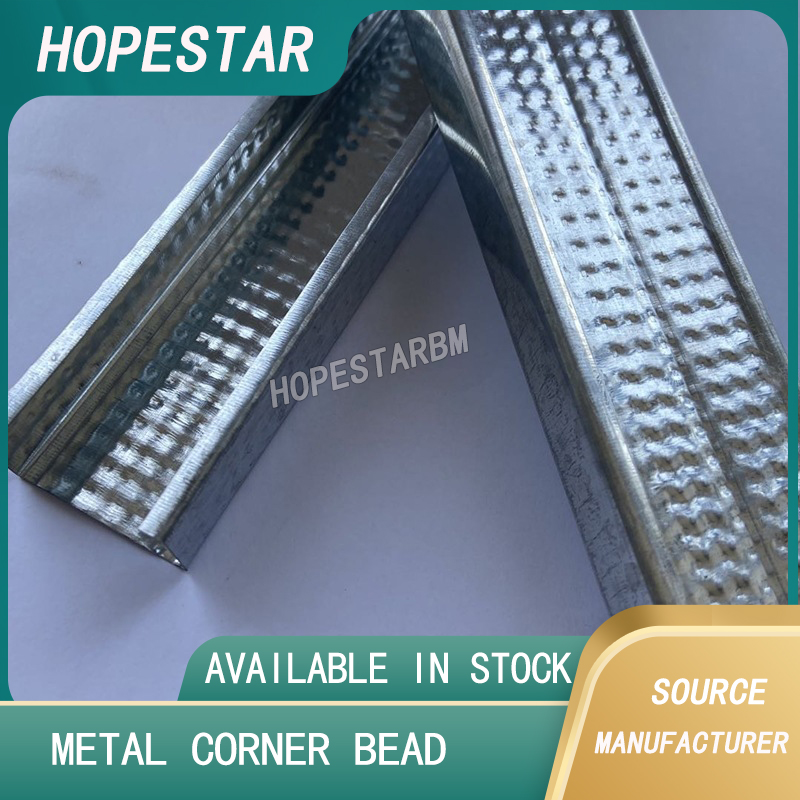
A metal corner bead is an essential component in drywall construction, providing protection, structure, and a clean finish for wall corners. Used in both residential and commercial projects, metal corner beads help prevent damage, improve aesthetics, and ensure long-lasting walls. Understanding their purpose, types, and installation is crucial for contractors, builders, and DIY enthusiasts.
What Is a Metal Corner Bead?
A metal corner bead is a rigid strip, usually made from galvanized steel or aluminum, designed to reinforce and protect the corners of drywall installations. It acts as a guide for applying joint compound and ensures that corners are perfectly straight and resistant to everyday wear and tear. Metal corner beads are especially useful in high-traffic areas where corners are prone to dents and chipping.
Benefits of Using Metal Corner Beads
-
Durability: Metal corner beads prevent cracks, dents, and other damage to wall corners, extending the life of the drywall.
-
Clean Finish: They create sharp, straight corners, improving the overall appearance of walls.
-
Ease of Application: Designed for easy installation, metal corner beads can be attached with nails, screws, or adhesive, then covered with joint compound.
-
Fire and Moisture Resistance: Many metal corner beads are treated to resist moisture, rust, and even fire, making them ideal for kitchens, bathrooms, and commercial buildings.
-
Compatibility: They work with both standard drywall and specialty panels, providing versatility for various construction projects.
Types of Metal Corner Beads
-
Galvanized Steel: Strong, rust-resistant, and suitable for most interior applications.
-
Aluminum: Lightweight and easy to cut, ideal for quick installations.
-
Paper-faced Metal Beads: Combine metal strength with a paper flange for easier joint compound adhesion and smoother finishing.
Installation Tips
-
Measure and cut the corner bead to fit the wall corner.
-
Attach the bead with nails, screws, or adhesive, ensuring it is aligned perfectly.
-
Apply joint compound over the bead, feathering edges for a seamless finish.
-
Sand and paint after the compound dries for a professional appearance.
What Is a Z Furring Channel?
How to Install Metal Furring Channel Ceiling
Related Article