
Are Metal Furring and Carrying Channel the Same?
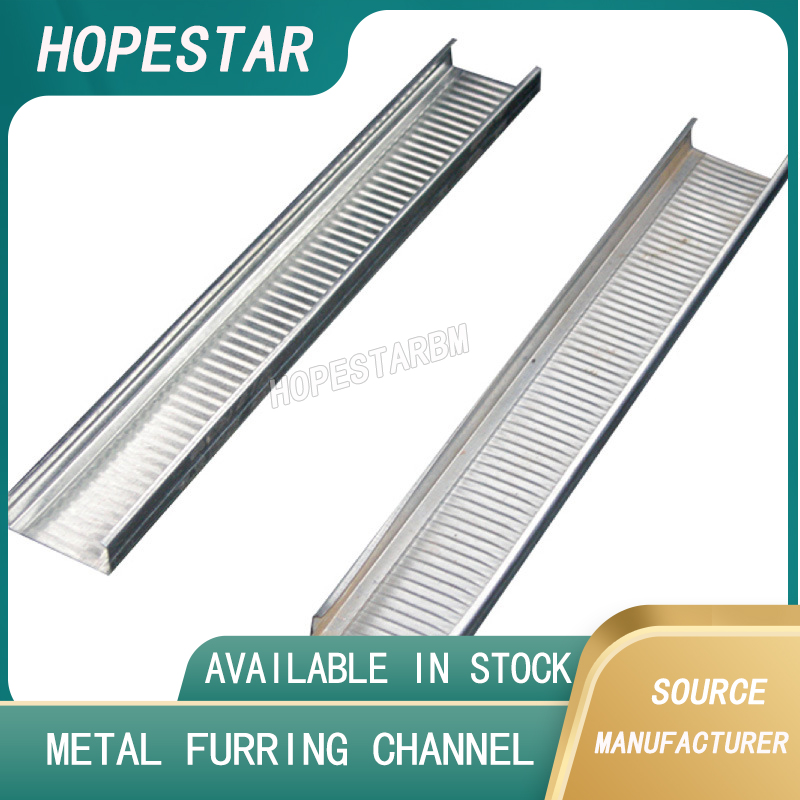
In construction, terms like metal furring and carrying channel are often used interchangeably, but understanding the differences is important for proper installation and project planning. Both components play a critical role in wall and ceiling systems, especially in drywall and suspended ceiling applications.
What Is a Metal Furring Channel?
A metal furring channel, also known as a hat channel or resilient channel, is a lightweight steel component used to support drywall or ceiling panels. Furring channels are typically made of galvanized steel or stainless steel and are designed to create a stable framework. They are attached to walls, ceilings, or structural surfaces using clips, screws, or fasteners. The primary purpose of furring channels is to provide a flat, even surface for drywall installation while allowing space for insulation, wiring, or soundproofing materials.
What Is a Carrying Channel?
A carrying channel is a structural element that supports the weight of ceiling systems, partitions, or wall panels. It is usually larger and stronger than a furring channel and is designed to bear heavier loads. Carrying channels serve as the main framework to which furring channels or other secondary support members are attached. They are essential in suspended ceilings, commercial wall systems, and industrial installations where structural integrity is a priority.
Key Differences Between Metal Furring and Carrying Channels
-
Load-Bearing Capacity:
-
Furring channels are lightweight and designed primarily for alignment and support of drywall panels.
-
Carrying channels are heavier and intended to bear the main structural load of walls or ceilings.
-
-
Placement:
-
Furring channels are attached to carrying channels, walls, or ceilings as a secondary framework.
-
Carrying channels form the primary structural framework for the entire system.
-
-
Function:
-
Furring channels provide a level surface for panel installation and can improve soundproofing when resilient.
-
Carrying channels distribute weight and provide structural stability for larger systems.
-
-
Size and Material:
-
Furring channels are generally narrower and thinner.
-
Carrying channels are wider, thicker, and designed for strength.
-
Applications
-
Furring Channels: Drywall walls, ceilings, soundproofing projects, and lightweight partitions.
-
Carrying Channels: Suspended ceilings, industrial walls, commercial partitions, and heavy-load applications.
Conclusion
While metal furring channels and carrying channels may look similar and are both used in wall and ceiling construction, they serve distinct purposes. Furring channels are secondary components that provide a level surface for panels and insulation, whereas carrying channels are primary structural elements designed to bear significant weight. Understanding the difference ensures proper installation, structural integrity, and optimal performance in both residential and commercial construction projects.
How to Install Metal Furring Channel Ceiling
What Is a Furring Clip?
Related Article



