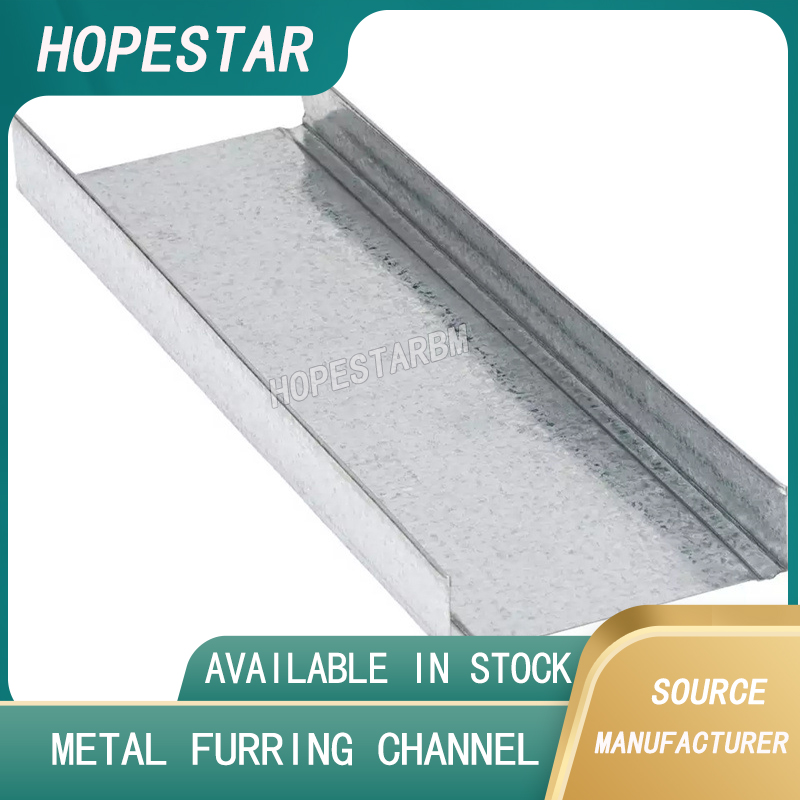
What Is Furring in a Ceiling?
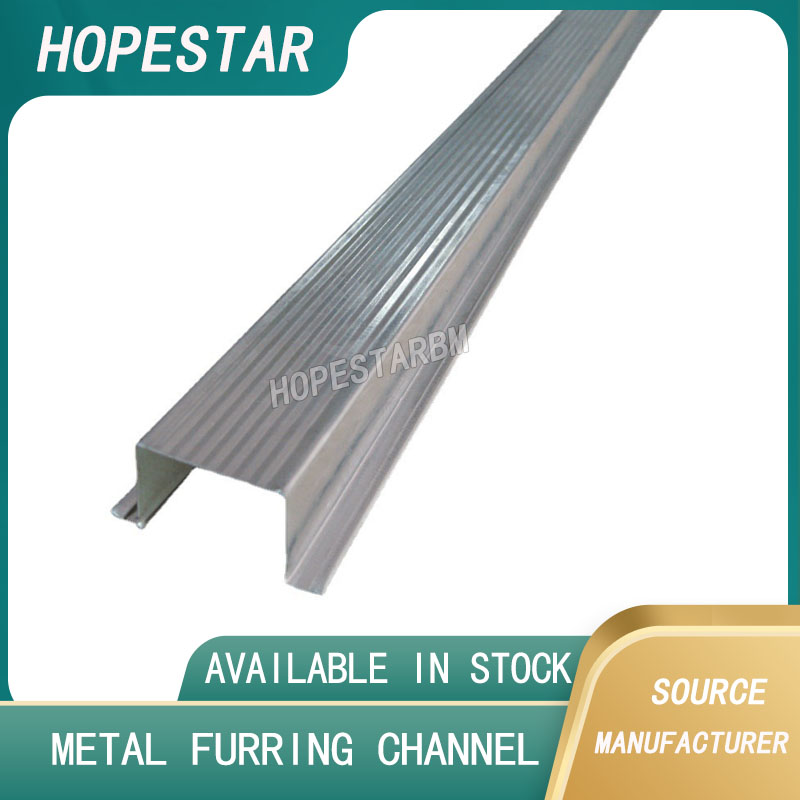
Furring in a ceiling refers to the installation of furring strips or metal furring channels that create a secondary framework below the main structural ceiling. This system provides a flat, level surface for attaching drywall, ceiling boards, or decorative panels. Ceiling furring is widely used in residential, commercial, and industrial construction projects to improve alignment, conceal utilities, and enhance insulation performance.
What Is a Ceiling Furring System?
A ceiling furring system typically consists of lightweight metal channels—often called hat channels or furring channels—secured perpendicular to ceiling joists, concrete slabs, or steel structures. These channels form a grid or linear support system that holds the finished ceiling material in place.
Furring creates a small cavity between the structural ceiling and the finished surface. This cavity is essential for housing electrical wiring, HVAC ducts, plumbing pipes, and insulation materials without compromising structural integrity.
Why Is Furring Used in Ceilings?
There are several important reasons why builders use furring in ceiling construction:
1. Leveling Uneven Surfaces
If the original ceiling structure is uneven, furring channels help create a straight, uniform plane for drywall installation.
2. Concealing Mechanical Systems
Furring provides space to hide wiring, lighting fixtures, ventilation ducts, and fire sprinkler systems.
3. Improving Sound Insulation
When combined with resilient clips or acoustic insulation, ceiling furring systems can reduce sound transmission between floors.
4. Thermal Performance
The gap created by furring allows for additional insulation, improving energy efficiency.
5. Moisture Control in Concrete Ceilings
In basements or commercial buildings with concrete slabs, metal furring channels prevent direct attachment of drywall to damp surfaces.
Types of Ceiling Furring Materials
Ceiling furring systems can use different materials depending on the project:
-
Metal Furring Channels – Most common, durable, corrosion-resistant, and fire-safe.
-
Hat Channels – Popular for drywall ceilings and soundproofing assemblies.
-
Wood Furring Strips – Used in traditional or small-scale projects, though less durable than metal.
Galvanized steel furring channels are generally preferred for their strength, longevity, and resistance to rust.
Standard Spacing and Installation
In most ceiling installations, furring channels are spaced 16 or 24 inches on center, depending on load requirements and drywall thickness. Proper spacing ensures structural stability and prevents sagging over time.
Installation involves anchoring the channels securely to the main structure using screws, anchors, or clips. Precision alignment is critical to achieve a smooth finished ceiling.
Conclusion
Furring in a ceiling is a practical and essential construction technique that creates a supportive framework beneath the structural ceiling. By using metal furring channels or hat channels, contractors can level surfaces, conceal utilities, improve insulation, and enhance acoustic performance. Whether for drywall ceilings in homes or suspended systems in commercial buildings, ceiling furring plays a key role in modern building design and long-term durability.
What Is the Purpose of Metal Corner Bead?
What Is a Hat Channel
Related Article