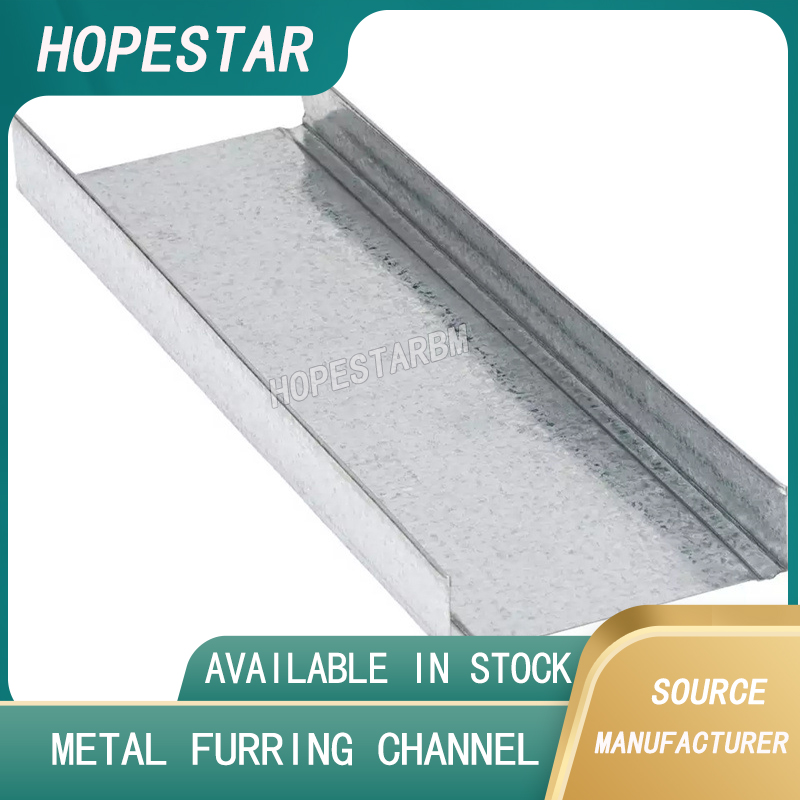
What Is a Hat Channel

A hat channel is a lightweight, roll-formed metal framing component widely used in construction. Its name comes from its distinctive cross-sectional shape, which resembles a top hat. Also known as a hat furring channel or metal furring channel, this versatile steel profile is primarily used to provide a stable, level surface for attaching drywall, plasterboard, ceiling panels, or cladding materials.
Structure and Material of a Hat Channel
A standard hat channel is typically made from galvanized steel, which provides excellent corrosion resistance and durability. The galvanized coating protects the steel from rust, making it suitable for both interior and certain exterior applications.
The shape of a hat channel includes:
-
A flat top surface (for fastening drywall or panels)
-
Two vertical legs
-
Two outward-facing flanges for added strength and stability
This unique profile enhances load distribution and improves structural support while remaining lightweight and easy to install.
Common Applications of Hat Channels
Hat channels are widely used in both residential and commercial construction projects. Some of the most common applications include:
-
Ceiling Systems
Hat channels are often installed perpendicular to joists to create a framework for suspended or direct-attach ceilings. They help ensure a level ceiling surface and can improve acoustic performance when combined with sound isolation clips. -
Wall Furring Systems
In masonry or concrete walls, hat channels create a gap between the wall and drywall. This cavity allows space for insulation, wiring, and plumbing while improving thermal and sound performance. -
Exterior Cladding Support
Hat channels can be used as a sub-framing system for metal panels, siding, or façade systems. The air gap created behind cladding enhances ventilation and moisture control. -
Soundproofing Assemblies
When used with resilient clips, hat channels reduce sound transmission between rooms by minimizing direct structural contact.
Advantages of Using a Hat Channel
There are several reasons why builders and contractors prefer hat channels:
-
Lightweight yet strong
-
Corrosion-resistant (when galvanized)
-
Easy to cut and install
-
Cost-effective framing solution
-
Compatible with various finishing materials
Because of these advantages, hat channels are a reliable choice for modern construction systems.
Standard Sizes of Hat Channels
Hat channels come in different widths, heights, and thicknesses. Common depths include 7/8 inch and 1-1/2 inches, although custom sizes are also available. The thickness (gauge) typically ranges from 25 gauge to 20 gauge, depending on structural requirements.
Conclusion
In summary, a hat channel is an essential metal framing component used for ceilings, walls, cladding, and soundproofing systems. Its hat-shaped design, lightweight structure, and durability make it a practical and cost-effective solution for both residential and commercial construction projects. Whether you are installing drywall or creating a ventilated façade system, the hat channel plays a critical role in providing strength, alignment, and long-term performance.
What Is Furring in a Ceiling?
How to Choose a Corner Bead
Related Article