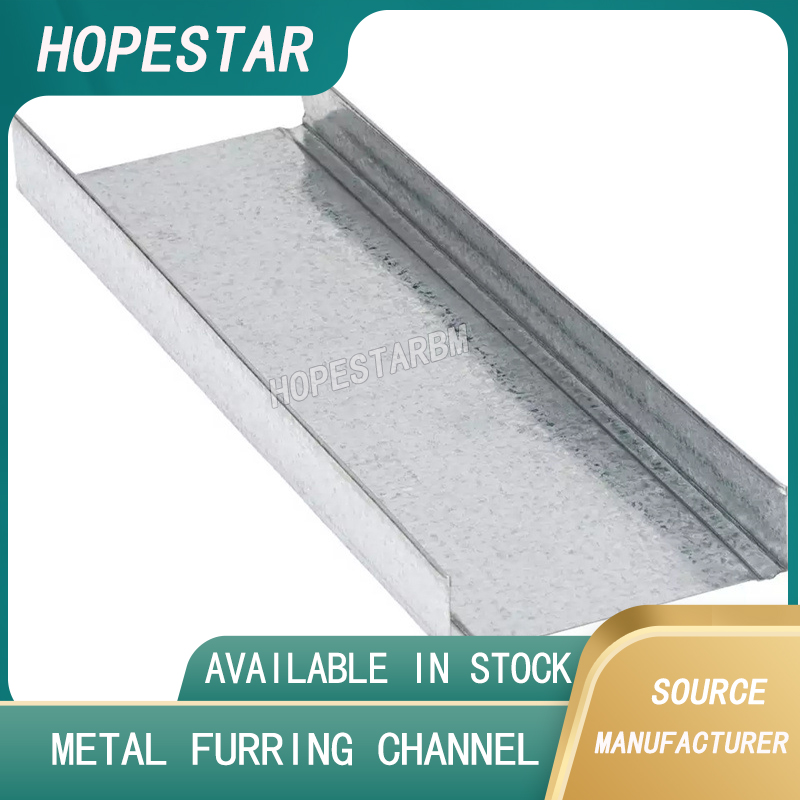
What is z-furring for?
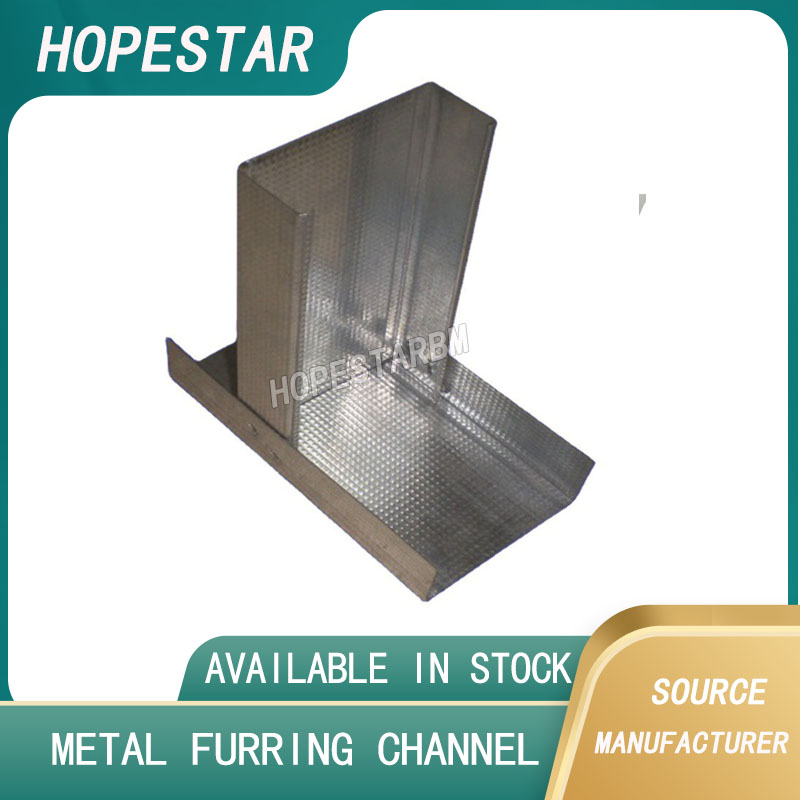
Z-furring is a type of metal furring channel shaped like the letter “Z,” commonly used in wall and ceiling construction. Its primary purpose is to provide a secure framework for attaching interior finishes such as drywall or panels while creating space for insulation. Z-furring is widely used in both residential and commercial construction, especially in projects that require improved thermal performance and moisture control.
Understanding the Function of Z-Furring
The unique Z-shaped profile of Z-furring allows it to attach directly to masonry, concrete, or steel surfaces while supporting drywall on the opposite side. This design creates a cavity between the structural wall and the finished interior surface. That cavity is ideal for installing rigid insulation boards, helping improve energy efficiency and indoor comfort.
Z-furring channels are often fastened vertically to concrete or block walls. Insulation is placed between the flanges of the channel, and drywall is then screwed into the outer flange. This method provides a stable and straight surface for interior finishing while enhancing thermal and acoustic insulation.
Key Benefits of Using Z-Furring
Z-furring systems offer several important advantages in modern construction:
-
Improved Insulation Performance: Z-furring allows rigid insulation to be installed continuously, reducing thermal bridging.
-
Moisture Control: By creating separation from concrete walls, Z-furring helps reduce condensation issues.
-
Lightweight and Durable: Made from galvanized steel, Z-furring is resistant to rust, mold, and pests.
-
Easy Installation: The channels are lightweight, easy to cut, and quick to install, saving labor time.
These benefits make Z-furring a popular choice in basements, exterior walls, and commercial buildings.
Common Applications of Z-Furring
Z-furring is primarily used in masonry wall insulation projects. It is especially common in basement finishing, warehouse conversions, and commercial interior renovations. In energy-efficient building design, Z-furring systems help meet modern insulation standards and building codes.
Additionally, Z-furring can be used in ceiling applications where a slight offset is needed between structural framing and finishing materials. Its design ensures alignment while maintaining structural support.
Z-Furring vs. Traditional Furring Channels
Unlike standard hat channels or flat furring strips, Z-furring is specifically designed to hold insulation within its profile. This integrated support reduces the need for additional framing components and simplifies the installation process.
Conclusion
Z-furring plays a critical role in modern wall insulation and finishing systems. By providing structural support, insulation space, and moisture control, Z-furring enhances energy efficiency and long-term building performance. Whether used in residential basements or commercial construction, Z-furring offers a practical and reliable solution for improved wall assemblies.
What Metal Is Used for a Ceiling?
What Is a Steel Stud
Related Article