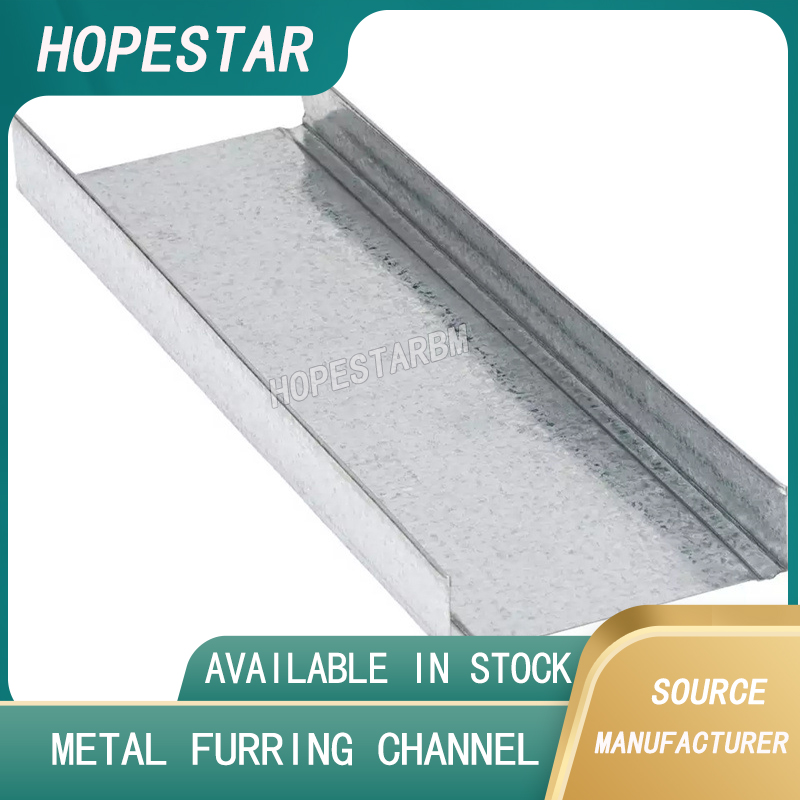
What Size Is a Hat Channel?

A common question in construction and drywall framing is: what size is a hat channel? Hat channels, also known as furring hat channels or metal furring channels, are widely used in wall and ceiling systems. Their distinctive hat-shaped cross-section provides strength, stability, and spacing for attaching drywall, cladding, or ceiling panels. Understanding standard hat channel sizes is essential for choosing the right material for structural performance and installation efficiency.
Standard Hat Channel Dimensions
The most common hat channel size used in construction typically includes the following dimensions:
-
Width (face): 1 1/2 inches (38 mm)
-
Height (leg/depth): 7/8 inch (22 mm) or 1 1/2 inches (38 mm)
-
Length: Usually 10 feet (3 m) or 12 feet (3.6 m)
-
Thickness (steel gauge): Ranges from 25 gauge to 20 gauge (approximately 0.5 mm to 1.0 mm)
These measurements represent the standard size of a hat channel in most drywall and ceiling framing applications. However, dimensions may vary slightly depending on the manufacturer and regional construction standards.
Why Hat Channel Size Matters
Selecting the correct hat channel size directly affects load capacity, spacing requirements, and overall system durability. Larger depths, such as 1 1/2 inches, provide increased rigidity and are often used in ceiling systems that must support heavier loads. The 7/8-inch depth is common in wall furring and light-duty ceiling applications.
Proper sizing also ensures compatibility with:
-
Drywall sheets
-
Suspension clips and hangers
-
Fasteners and screws
-
Insulation thickness
Using the wrong size may lead to uneven surfaces, reduced strength, or installation issues.
Common Applications of Hat Channels
Understanding what size a hat channel is also depends on where it is used:
Wall Furring Systems
Hat channels create a cavity between masonry walls and drywall, allowing space for insulation, plumbing, or electrical wiring.
Ceiling Framing
In suspended or drop ceilings, hat channels provide a level structure to attach gypsum boards or acoustic panels.
Soundproofing Systems
When paired with resilient clips, hat channels help reduce sound transmission between rooms.
Exterior Cladding Support
They are also used as backing for siding panels, helping with alignment and ventilation.
Material and Coating
Most hat channels are made from galvanized steel to resist corrosion. Zinc coating protects the metal in humid environments and extends service life. Some specialized projects may use aluminum hat channels for lighter weight needs.
Choosing the Right Hat Channel Size
When determining the best hat channel dimensions, consider:
-
Weight of finishing materials
-
Spacing between supports
-
Building codes and project specifications
-
Environmental conditions
Heavier-duty installations typically require thicker gauges and deeper profiles.
Conclusion
So, what size is a hat channel? The standard dimensions usually include a 1 1/2-inch width and depths of 7/8 inch or 1 1/2 inches, with lengths of 10 or 12 feet. Choosing the correct hat channel size ensures strong support, smooth surfaces, and long-term performance in drywall, ceiling, and cladding systems. Understanding these measurements helps contractors achieve professional and reliable construction results.
What Is a Steel Stud Track? A Complete Guide for Modern Construction
What Is a Furring Hat Channel?
Related Article