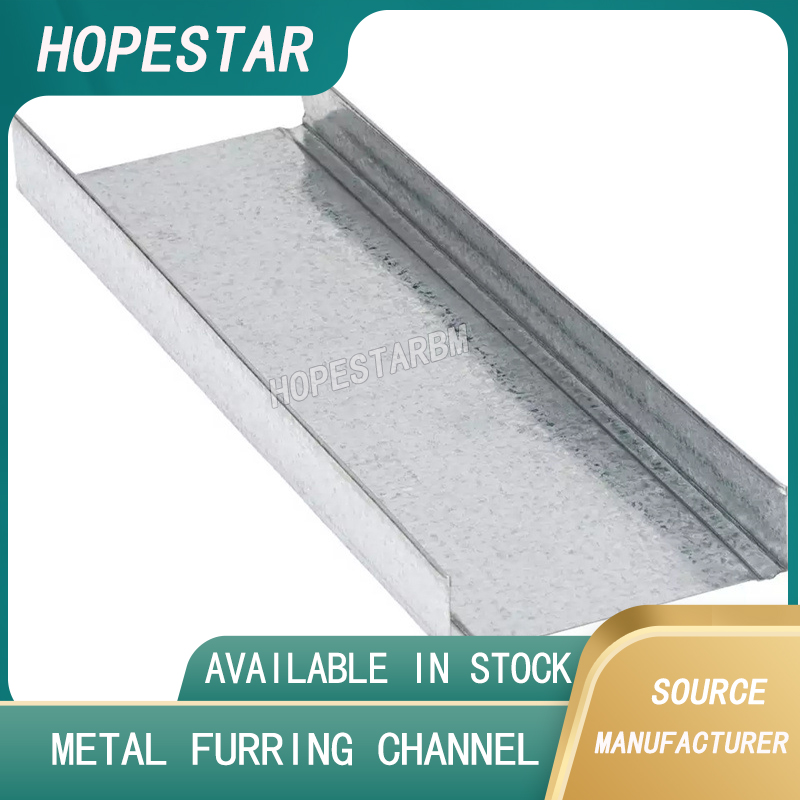
What Is a Furring Hat Channel?

A furring hat channel is a lightweight metal framing component widely used in drywall, ceiling, and wall construction. Named for its distinctive hat-shaped cross-section, this type of channel plays a crucial role in creating level surfaces and improving structural performance. Builders and contractors often rely on furring hat channels to support drywall panels, ceiling boards, and other finishing materials in both residential and commercial projects.
Structure and Design
The defining feature of a furring hat channel is its profile. When viewed from the end, the channel resembles a top hat. This shape provides increased rigidity and load-bearing capacity compared to flat furring strips. Most hat channels are made from galvanized steel, which offers excellent corrosion resistance and durability.
Standard sizes vary, but common dimensions include a width of about 1 1/2 inches (38 mm) and depths ranging from 7/8 inch to 1 1/2 inches. The steel thickness (gauge) can differ depending on structural requirements. These standard measurements ensure compatibility with drywall sheets and fastening systems.
Main Uses of a Furring Hat Channel
The furring hat channel serves several important purposes in construction:
1. Wall Furring Systems
Hat channels are often installed on concrete or masonry walls to create a cavity for insulation and wiring. Drywall is then attached to the channel, producing a smooth and even wall surface.
2. Ceiling Systems
In suspended ceiling installations, furring hat channels help level uneven surfaces and provide a sturdy framework for gypsum boards or ceiling panels.
3. Soundproofing Applications
When combined with resilient clips, hat channels can reduce sound transmission between rooms. This makes them ideal for offices, apartments, and studios where noise control is important.
4. Exterior Cladding Support
Hat channels are also used behind exterior panels and siding, providing ventilation space and structural backing.
Benefits of Using a Furring Hat Channel
Using a furring hat channel offers multiple advantages:
-
Strength and Stability: The hat shape increases rigidity while keeping the material lightweight.
-
Corrosion Resistance: Galvanized coating protects against rust, extending service life.
-
Easy Installation: Channels are simple to cut, fasten, and align.
-
Versatility: Suitable for walls, ceilings, and exterior applications.
-
Improved Surface Alignment: Helps correct uneven structural surfaces.
Installation Overview
Installation typically involves fastening the furring hat channel to the base structure—such as concrete, steel studs, or wood framing—using screws or anchors. Channels are spaced evenly, usually 16 or 24 inches apart, depending on load requirements. Drywall or panels are then secured directly to the channel.
Why It Matters in Modern Construction
The furring hat channel is essential in modern building because it enhances structural efficiency while minimizing material weight. Its ability to create space for insulation, improve sound control, and ensure flat surfaces makes it a preferred choice in today’s construction industry.
Conclusion
A furring hat channel is a versatile, durable, and cost-effective metal framing solution. Whether used for walls, ceilings, or acoustic systems, it provides reliable support and improved performance. Understanding the role of hat channels in construction helps ensure better installation quality and long-lasting results.
What Size Is a Hat Channel?
What Is the Standard Size of a Furring Channel?
Related Article