What Metal is Used for Drywall?
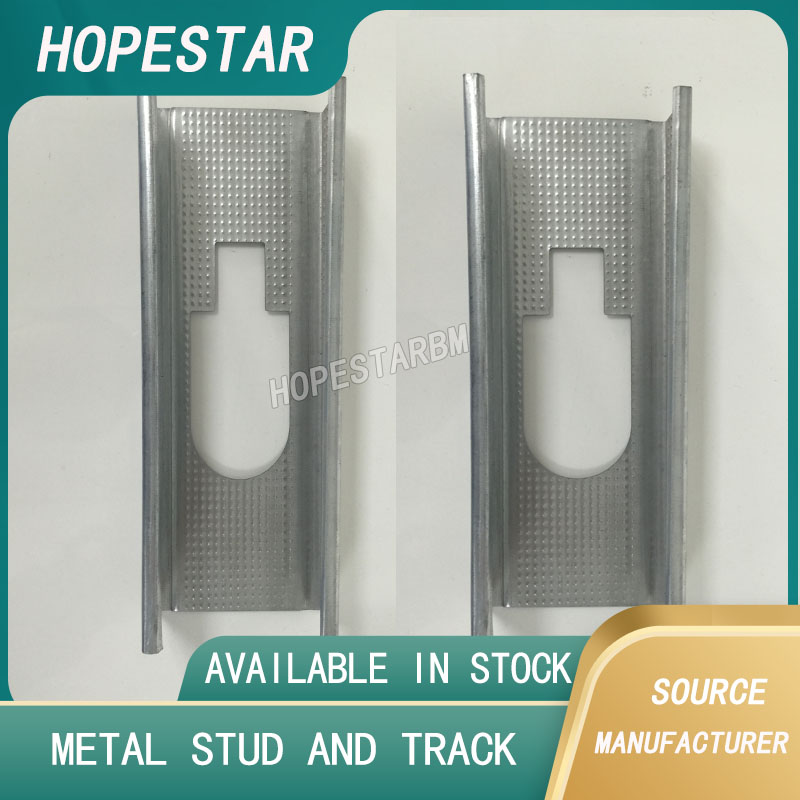
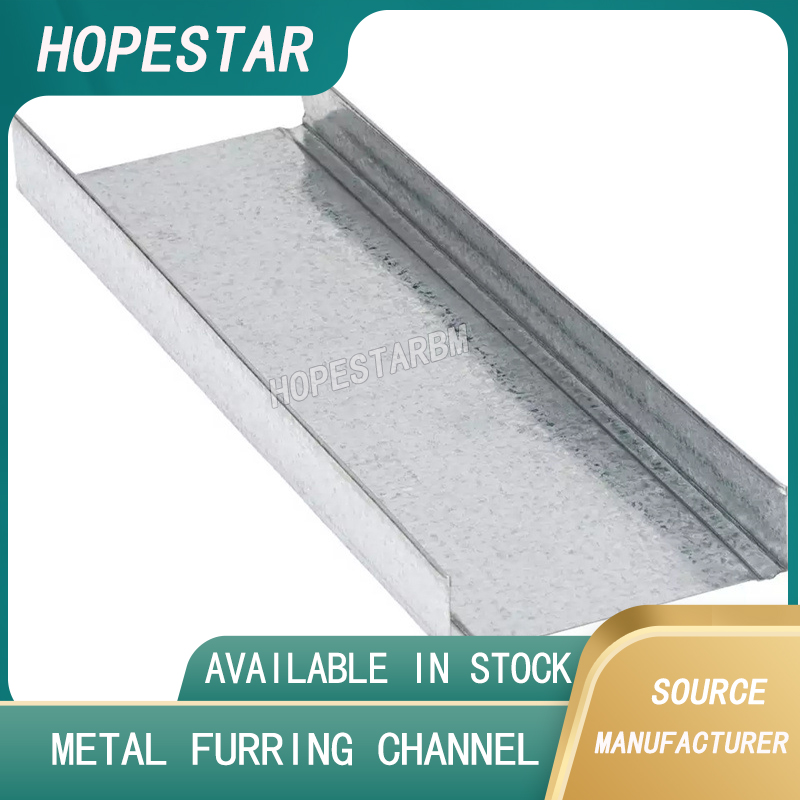
Drywall, a staple in modern construction, relies on metal components for structural integrity and durability. The primary metals used in drywall systems are steel and aluminum, each serving distinct purposes. Steel is the most common choice for drywall studs and tracks. It provides exceptional strength and stability, making it ideal for load-bearing walls and ceilings. Steel studs are typically made from galvanized steel, which resists corrosion and ensures longevity, especially in humid environments. These studs are rigid and can support heavy loads, making them suitable for multi-story buildings and commercial structures.
Aluminum, on the other hand, is often used for drywall accessories and framing in specific applications. Aluminum studs and tracks are lighter than steel, making them easier to handle and install. They are also resistant to rust and corrosion, which is beneficial in areas with high moisture levels. Aluminum components are frequently used in residential construction for non-load-bearing walls and partitions, offering a cost-effective and efficient solution.
In addition to steel and aluminum, other metals like zinc and magnesium may be used in specialized drywall systems. Zinc-coated steel studs provide enhanced corrosion resistance, while magnesium alloys offer lightweight and high-strength alternatives for specific architectural designs. The choice of metal depends on factors such as building codes, environmental conditions, and structural requirements.
Overall, the metal components in drywall systems play a crucial role in ensuring the stability, durability, and safety of the structure. Whether it’s steel for heavy-duty applications or aluminum for lightweight partitions, selecting the right metal is essential for a successful drywall installation.
What is a Corner Bead in Drywall?
What Is Hat Channel Used For?
Related Article