What Is Hat Channel Used For?
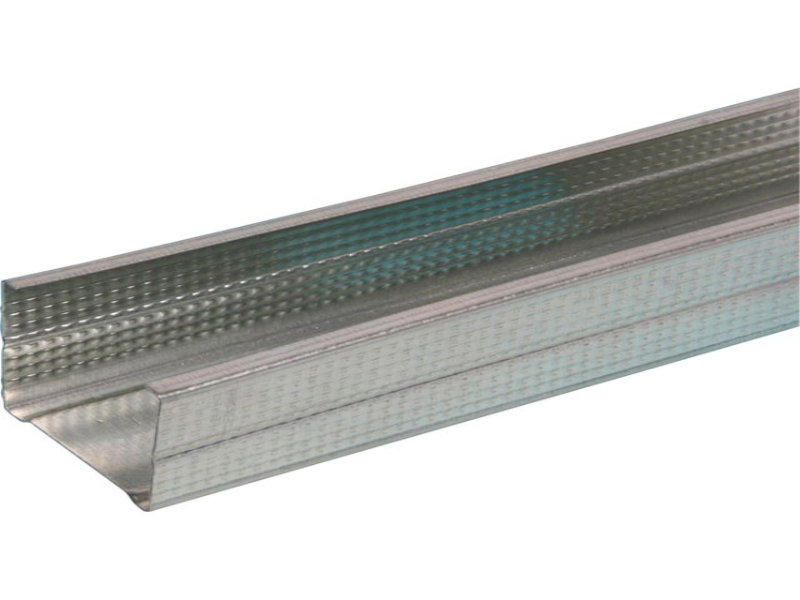
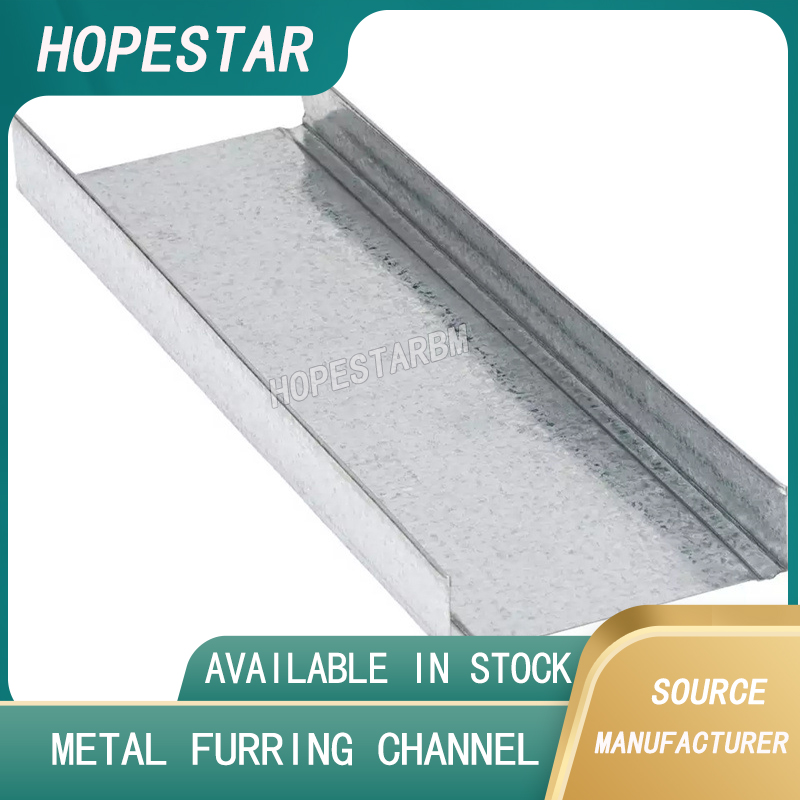
A hat channel is a lightweight, hat-shaped metal framing component widely used in drywall and ceiling construction. Known for its strength-to-weight ratio and ease of installation, the hat channel plays a critical role in creating stable, level surfaces for attaching gypsum board, panels, and other finishing materials. Builders rely on hat channels in residential, commercial, and industrial projects where durability and precision matter.
Drywall Support and Wall Furring
One of the primary uses of a hat channel is to support drywall sheets on walls. When attached to concrete, masonry, or uneven structural surfaces, hat channels act as furring strips that create a straight, even framework. This allows installers to mount drywall smoothly while leaving space behind the panels for insulation, plumbing, or electrical wiring. The result is a cleaner finish and improved wall performance.
Ceiling Framing Systems
Hat channels are essential in suspended and direct-attach ceiling systems. Contractors fasten the hat channel perpendicular to joists or concrete slabs, and drywall boards are then screwed into the channel instead of directly into the structure. This method improves alignment, reduces surface cracking, and makes ceiling installations more efficient. It also provides room for recessed lighting and mechanical systems.
Sound Control and Isolation
Another important function of a hat channel is sound management. When paired with resilient clips or isolation systems, hat channels help reduce sound transmission between rooms. By minimizing direct contact between drywall and the building structure, they limit vibration transfer, making them ideal for apartments, hotels, offices, and recording spaces.
Surface Leveling and Renovation
In remodeling projects, walls and ceilings are often uneven. A hat channel can correct these imperfections by creating a new level surface without major structural work. This saves time and labor while ensuring professional-quality results.
Moisture-Resistant Framing Alternative
Because most hat channels are made from galvanized steel, they resist warping, shrinking, and rotting—common issues with wood furring strips. This makes hat channels suitable for basements, bathrooms, and other areas with moderate humidity.
Mechanical and Utility Support
Hat channels also help organize building systems. The cavity created by the channel depth provides space for cables, pipes, and insulation. This improves building efficiency while keeping installations neat and protected.
Conclusion
Understanding what a hat channel is used for highlights its importance in modern construction. From drywall support and ceiling framing to sound control and surface leveling, hat channels offer a reliable, cost-effective solution. Their lightweight steel construction, durability, and versatility make them a preferred choice for professional builders seeking strong, straight, and long-lasting interior structures.
What Metal is Used for Drywall?
What Is a Metal Hat Channel?
Related Article