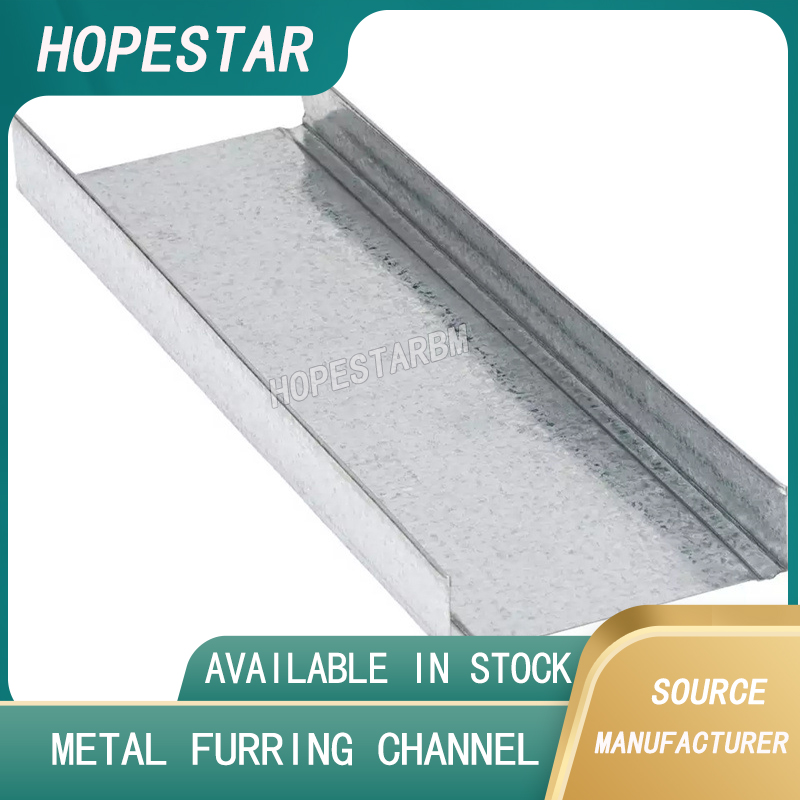
What is a channel in steel?
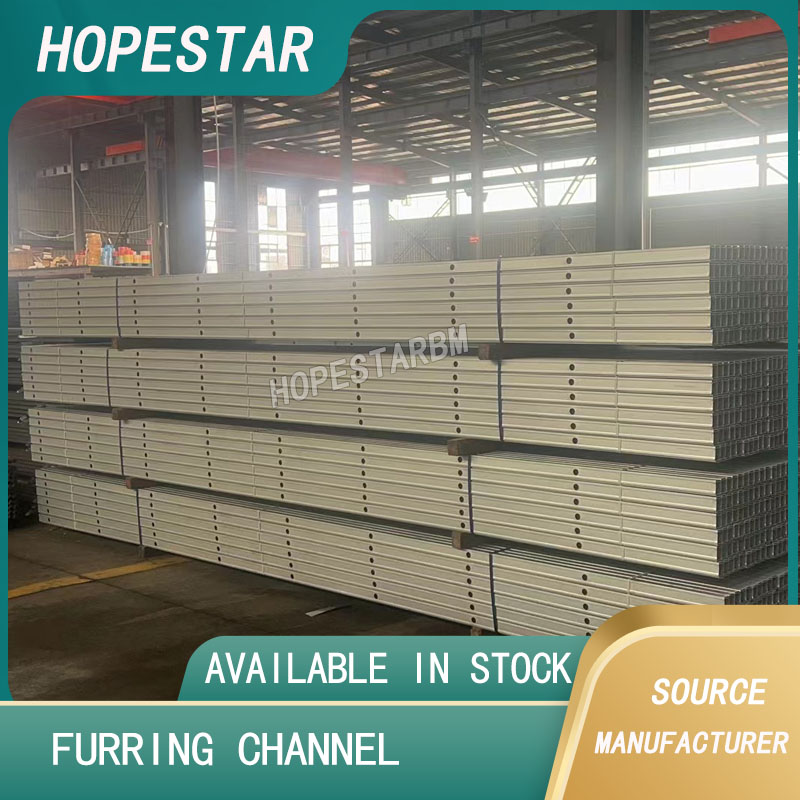
A channel in steel, often referred to as a steel channel or C-channel, is a structural steel component widely used in construction, manufacturing, and industrial applications. Recognized by its distinctive C-shaped cross-section, a steel channel consists of a flat web and two perpendicular flanges. This simple yet strong design allows the channel to provide excellent support, framing capability, and load-bearing performance in a wide range of building projects.
Structure and Design of a Steel Channel
The defining feature of a steel channel is its cross-sectional shape. The vertical section, known as the web, handles most of the load, while the horizontal flanges add stiffness and resistance to bending. Steel channels are produced through hot rolling, cold forming, or extrusion, depending on the type of steel and intended use.
Common materials include carbon steel, galvanized steel, and stainless steel. Galvanized steel channels are coated with zinc to resist corrosion, making them ideal for outdoor or humid environments. Stainless steel channels offer even greater corrosion resistance and are used in marine, food processing, and chemical facilities.
Types of Steel Channels
There are several types of steel channels, each designed for specific purposes:
-
C Channel: Standard structural channel used in frames, supports, and braces.
-
U Channel: Similar to a C channel but often used in lighter framing or finishing applications.
-
Hat Channel: A variation used mainly for furring and surface leveling.
-
Strut Channel: Designed with slots for mechanical, electrical, and plumbing installations.
Each type serves a role in providing structural integrity or installation convenience.
Common Applications
Steel channels are essential in modern construction because of their versatility and strength. They are commonly used in:
-
Building frames for walls, roofs, and floors
-
Support structures for bridges and platforms
-
Equipment frames in factories and warehouses
-
Vehicle and trailer frames
-
Reinforcement in concrete or masonry structures
Their shape makes them easier to connect with bolts, welds, or fasteners compared to many other steel profiles.
Advantages of Using Steel Channels
One of the main benefits of a steel channel is its high strength-to-weight ratio. Steel channels provide strong structural support without excessive material weight. They are also durable, fire-resistant, and recyclable, making them an environmentally friendly choice.
Other advantages include:
-
Easy fabrication and cutting
-
Consistent shape and size
-
Compatibility with other steel components
-
Long service life with minimal maintenance
Importance in Construction
In structural engineering, selecting the right steel shape is critical. A channel in steel provides efficient load distribution and reliable performance in both vertical and horizontal applications. Whether used in large commercial buildings or small fabrication projects, steel channels remain a fundamental building element that combines strength, efficiency, and cost-effectiveness.
What is a metal corner bead ?
What size are metal hat channels?
Related Article