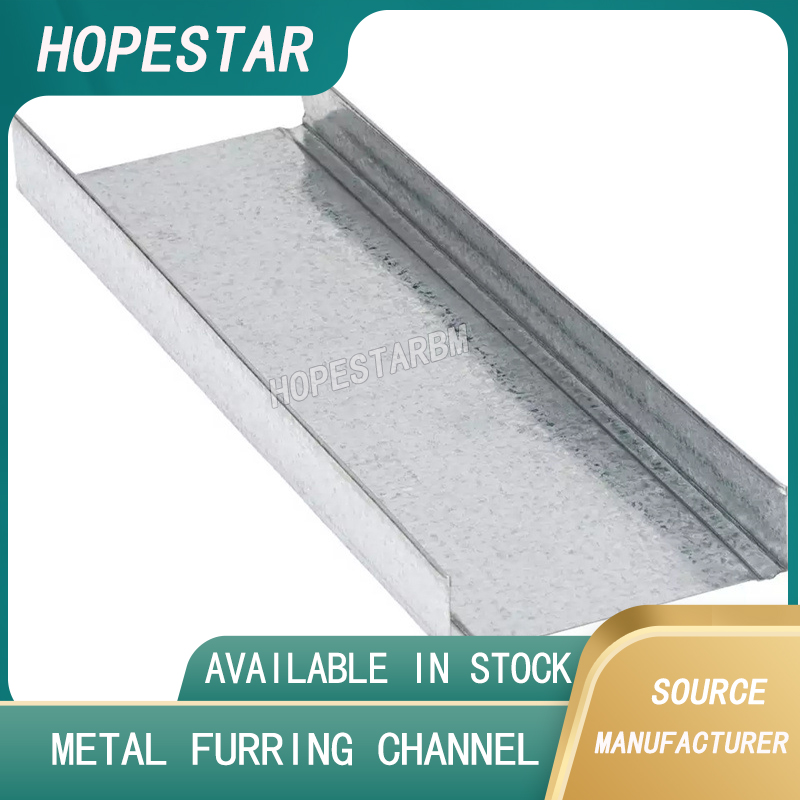
What size are metal hat channels?
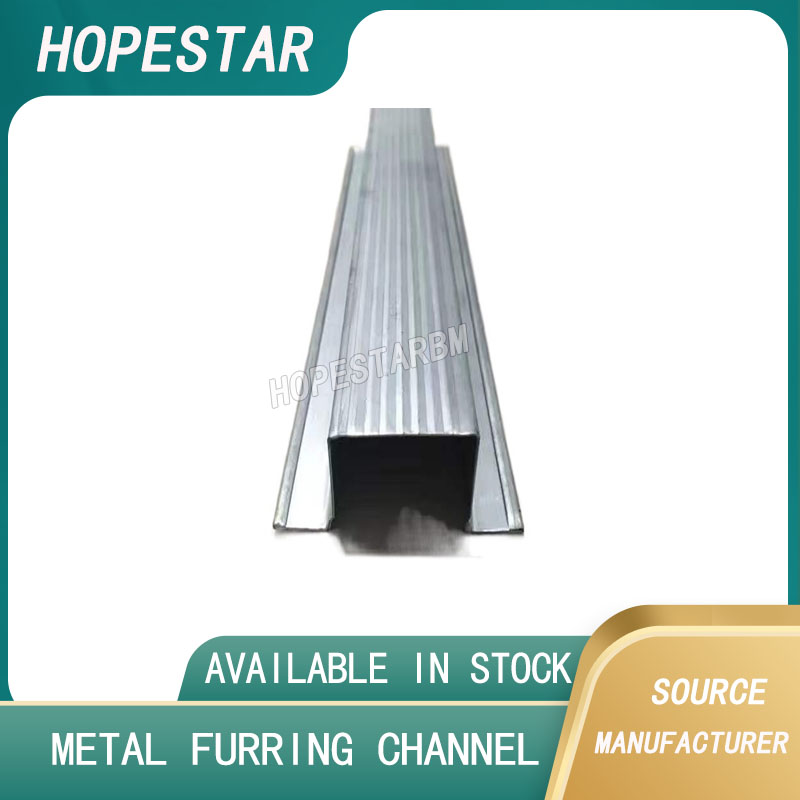
Metal hat channels come in a variety of sizes to meet different construction and framing needs. These versatile steel components are widely used for furring walls, leveling ceilings, and supporting cladding systems. Understanding metal hat channel sizes is essential for choosing the right product for strength, spacing, and load requirements in residential, commercial, and industrial projects.
Standard Dimensions of Metal Hat Channels
The size of a metal hat channel is usually defined by its depth, flange width, length, and steel gauge. Common standard sizes include depths of 7/8 inch (22 mm), 1-1/2 inches (38 mm), and 2 inches (50 mm). The 7/8-inch hat channel is one of the most popular options for interior drywall furring because it provides enough cavity space for wiring and minor leveling while keeping the profile slim.
Flange widths typically range from 1 inch to 2 inches, depending on the manufacturer. Wider flanges improve screw holding strength and overall stability, especially when supporting heavier finishes like cement board or exterior panels.
Length Options
Metal hat channels are generally produced in lengths of 8 feet, 10 feet, 12 feet, and sometimes 14 or 16 feet. Longer sections help reduce joints and speed up installation on large surfaces such as ceilings and long walls. However, shorter lengths may be easier to transport and handle on smaller job sites.
Steel Gauge and Thickness
Another important factor in metal hat channel sizing is steel thickness, often referred to as gauge. Common gauges include 25 gauge, 22 gauge, 20 gauge, and 18 gauge. Lighter gauges like 25 or 22 are used for non-structural applications such as drywall attachment. Heavier gauges, such as 20 or 18, provide more rigidity and are used when additional load support is required, such as exterior cladding or soffit framing.
Choosing the Right Size
Selecting the correct metal hat channel size depends on the application:
-
Interior drywall furring: 7/8-inch depth, 25–22 gauge
-
Ceiling framing: 7/8-inch or 1-1/2-inch depth, depending on span
-
Exterior cladding: 1-1/2-inch or 2-inch depth, 20–18 gauge
-
Masonry wall leveling: Deeper channels for insulation space
Spacing between channels is also important. Standard spacing is 16 inches or 24 inches on center, depending on the type of finish material and building codes.
Why Size Matters
Using the correct metal hat channel size ensures structural stability, smooth installation, and long-term performance. Undersized channels may flex or fail under load, while oversized channels can increase costs unnecessarily. Proper sizing improves alignment, supports insulation, and enhances acoustic and moisture performance.
In modern construction, metal hat channels remain a practical and cost-effective solution. By understanding standard sizes and thickness options, builders can ensure safe, durable, and efficient framing systems for walls, ceilings, and exterior assemblies.
What is a channel in steel?
What is the metal hat channel?
Related Article