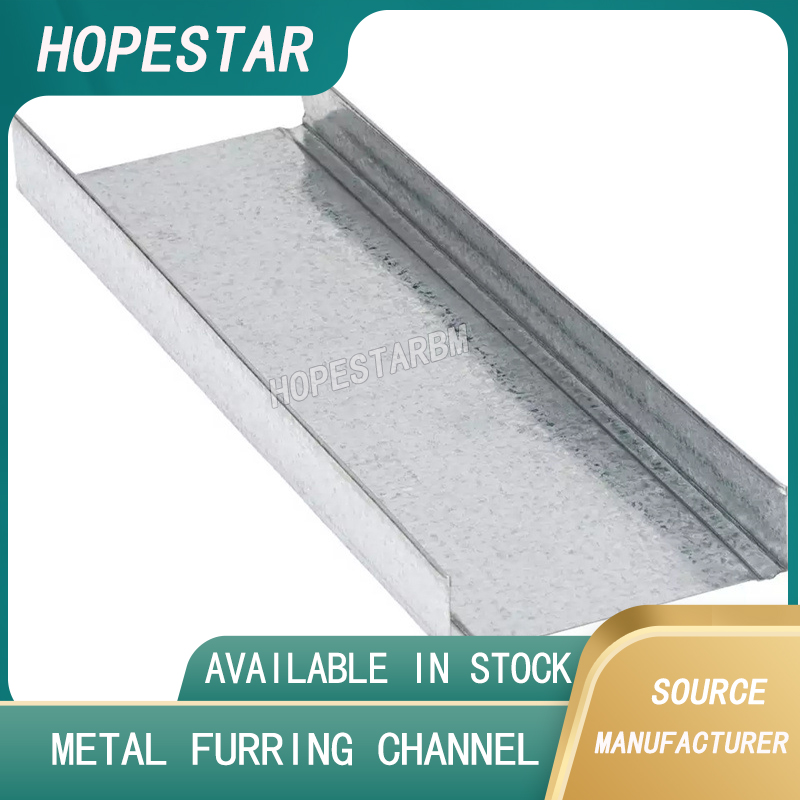
What is the metal hat channel?
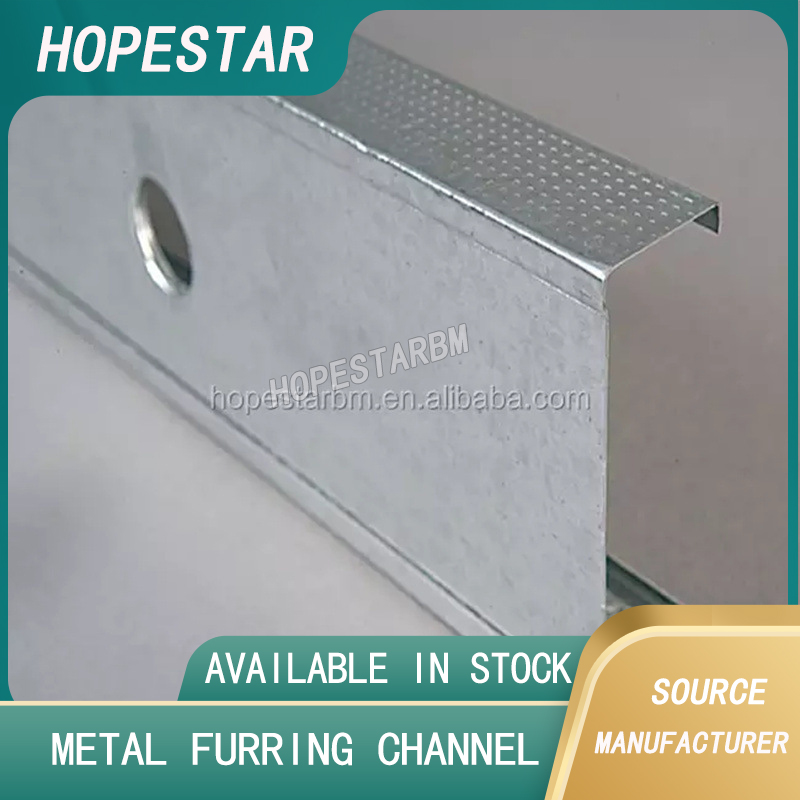
A metal hat channel is a lightweight, corrosion-resistant framing component widely used in modern construction. Named for its hat-like cross-section, this metal profile is designed to provide a stable support system for walls, ceilings, masonry surfaces, and cladding applications. Builders and contractors rely on metal hat channels because they are durable, easy to install, and compatible with a variety of building materials.
Structure and Material
A metal hat channel is typically manufactured from galvanized steel or sometimes aluminum. The galvanization process adds a protective zinc coating that helps prevent rust and corrosion, making it suitable for both interior and exterior use. The “hat” shape features a top flange, two vertical webs, and outward-facing bottom flanges. This design increases strength while keeping the material lightweight.
Common thicknesses (gauges) and depths are available to suit different load requirements. Thicker gauges offer greater structural support, while lighter gauges are used for non-load-bearing applications such as furring and leveling surfaces.
Main Functions of Metal Hat Channel
The primary function of a metal hat channel is to create a level and secure framework. It is often installed horizontally or vertically depending on the project needs. Key uses include:
-
Wall furring: Hat channels are attached to concrete or masonry walls to create a cavity for insulation, wiring, or plumbing before drywall installation.
-
Ceiling systems: They support suspended or direct-attach drywall ceilings.
-
Cladding support: Exterior panels, siding, and façade systems are often mounted onto hat channels.
-
Sound control: The air gap created between the wall and finish material can improve acoustic performance.
-
Moisture management: In exterior assemblies, the spacing helps with drainage and ventilation.
Advantages of Using Metal Hat Channel
One reason contractors prefer metal hat channels is their combination of strength and efficiency. Compared to wood furring strips, metal channels do not warp, crack, or rot. They are also resistant to pests and fire, which improves overall building safety.
Other benefits include:
-
Lightweight handling reduces labor effort
-
Consistent dimensions ensure precise alignment
-
Quick installation with screws or fasteners
-
Long service life with minimal maintenance
Because of these advantages, metal hat channels are widely used in residential, commercial, and industrial projects.
Installation Considerations
Proper spacing is essential when installing metal hat channels. The distance between channels depends on the weight of the finishing material, such as drywall or cement board. Fasteners must securely anchor the channel to the base structure to maintain stability. When used in exterior applications, corrosion-resistant fasteners are recommended.
Why Metal Hat Channels Matter in Construction
In today’s construction industry, efficiency and durability are critical. A metal hat channel provides a reliable solution for creating smooth, level surfaces while accommodating insulation and mechanical systems. Its versatility, cost-effectiveness, and long-term performance make it a key component in modern building design.
What size are metal hat channels?
What Are Hat Channels?
Related Article