
What Are Hat Channels?
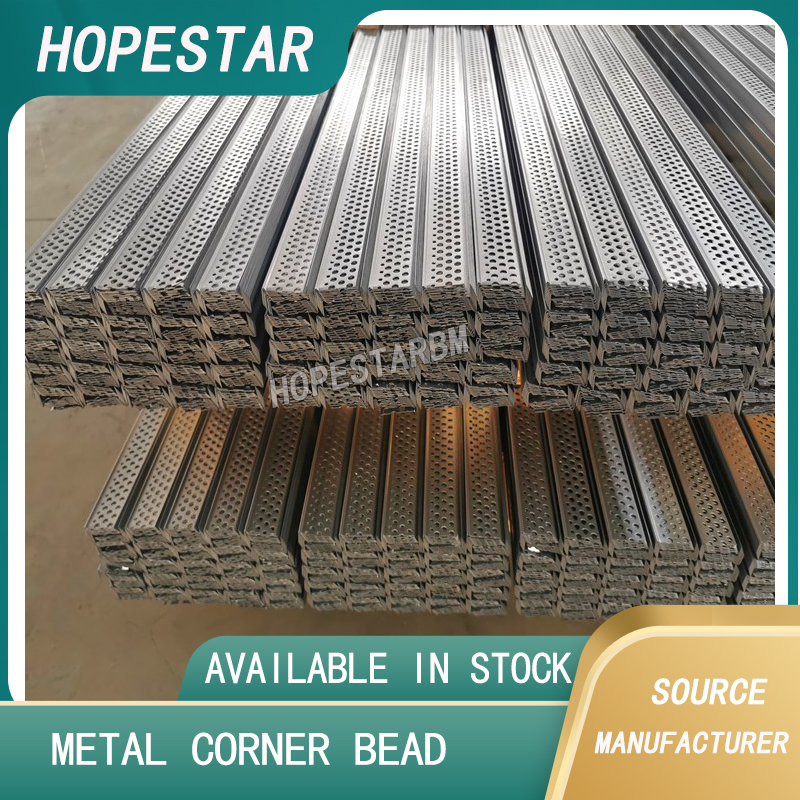
Hat channels are widely used metal framing components in modern construction, especially in drywall, ceiling, and cladding systems. Named for their distinctive hat-like cross-sectional shape, hat channels provide structural support, spacing, and alignment for wall and ceiling finishes. Builders and contractors rely on hat channels to improve surface stability, create air gaps, and enhance the overall performance of building assemblies.
Structure and Design of Hat Channels
A hat channel is typically made from galvanized steel, formed into a profile that resembles a top hat. The design includes:
-
A flat top surface
-
Two vertical legs
-
Two outward flanges
This shape gives hat channels excellent strength-to-weight performance. The profile allows the channel to hold panels securely while maintaining rigidity over long spans. Because of this efficient design, hat channels are both lightweight and durable, making them ideal for interior and exterior construction projects.
Main Uses of Hat Channels
Hat channels serve multiple purposes in building systems. Their most common applications include:
1. Drywall Installation
Hat channels are frequently used to support gypsum boards on walls and ceilings. They create a level framework that ensures smooth and even surfaces. In renovation projects, hat channels can be installed over uneven substrates to correct alignment issues.
2. Ceiling Systems
In suspended ceiling systems, hat channels act as furring members that hold ceiling boards in place. They provide spacing between the structural slab and the ceiling finish, which allows room for wiring, ductwork, and insulation.
3. Exterior Cladding Support
Hat channels are also used behind exterior panels such as metal siding, fiber cement boards, or composite cladding. They create a ventilated cavity that improves moisture control and thermal performance.
4. Soundproofing and Insulation Systems
When used with resilient clips or sound isolation systems, hat channels help reduce vibration transfer. This improves acoustic performance in residential, commercial, and industrial buildings.
Benefits of Using Hat Channels
Using hat channels offers several advantages:
-
Improved structural stability for wall and ceiling finishes
-
Corrosion resistance due to galvanized steel construction
-
Lightweight and easy installation, reducing labor time
-
Better airflow and moisture control in cladding systems
-
Enhanced acoustic and thermal performance
These benefits make hat channels a cost-effective solution in both small and large-scale projects.
Hat Channel vs. Furring Channel
While often confused with furring channels, hat channels usually have a deeper profile and are commonly used in exterior or heavier-duty applications. Furring channels are typically lighter and designed mainly for interior ceiling systems. Choosing the right type depends on load requirements and building design.
Conclusion
Hat channels are essential components in modern framing and finishing systems. Their unique shape, strength, and versatility make them suitable for drywall, ceilings, cladding, and acoustic assemblies. By using hat channels, builders can improve durability, performance, and installation efficiency in a wide range of construction projects.
What is the metal hat channel?
Difference Between 16mm and 28mm Furring Channel
Related Article



