What Size Are Standard Furring Channels?
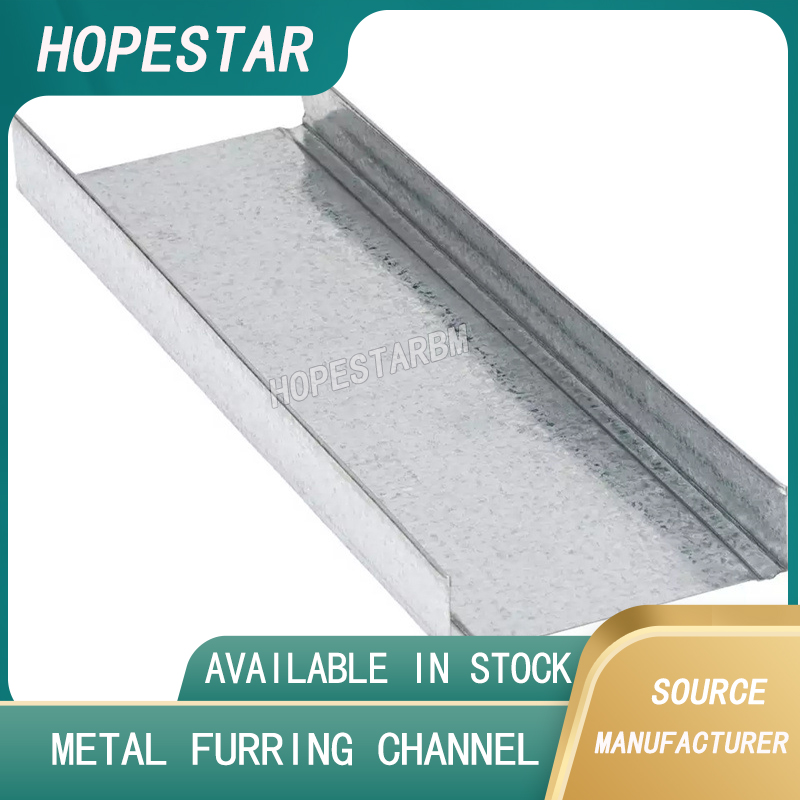
Furring channels are essential components in modern construction, especially in drywall ceiling and wall systems. They provide a stable framework for attaching gypsum boards, improve alignment, and help create level surfaces over uneven substrates. Understanding standard furring channel sizes is crucial for contractors, builders, and DIY installers to ensure structural performance and code compliance.
What Is a Furring Channel?
A furring channel is a lightweight metal framing profile, usually made from galvanized steel, designed to support drywall or plasterboard. It is commonly installed perpendicular to joists, concrete surfaces, or masonry walls. Furring channels are widely used in ceiling systems, wall linings, soundproof assemblies, and fire-rated constructions.
Standard Furring Channel Sizes
The most common standard furring channel size used in drywall applications is:
-
25 gauge steel
-
7/8 inch (22 mm) deep
-
2-1/2 inches (64 mm) wide
This size is often referred to as a 7/8” hat channel or furring channel, and it is the industry standard for residential and commercial ceiling systems.
In addition to the standard size, other variations are also available to meet specific construction needs:
-
Depth options: 1/2 inch, 7/8 inch, and 1-1/2 inches
-
Width options: Typically 2-1/2 inches, though some regions offer slightly different widths
-
Length options: Common lengths include 8 ft, 10 ft, 12 ft, and sometimes custom lengths for large projects
The 7/8-inch deep furring channel remains the most widely used because it balances strength, weight, and ease of installation.
Why Size Matters in Furring Channels
Choosing the correct furring channel size directly affects the performance of the drywall system. Standard-sized furring channels are engineered to:
-
Provide adequate load-bearing capacity for drywall panels
-
Maintain consistent spacing for screw attachment
-
Allow room for electrical wiring, insulation, or soundproofing materials
-
Meet building codes and fire-resistance requirements
Using undersized channels may lead to sagging ceilings or cracked drywall joints, while oversized channels can increase material costs unnecessarily.
Typical Applications of Standard Furring Channels
Standard furring channel sizes are commonly used in:
-
Drywall ceiling systems
-
Suspended ceiling frameworks
-
Concrete or masonry wall drywall installations
-
Sound isolation systems with resilient clips
-
Fire-rated wall and ceiling assemblies
They are often paired with carrying channels, main runners, or resilient channels, depending on the system design.
Difference Between 16mm and 28mm Furring Channel
When to Use Metal Drywall Corner Bead?
Related Article