What Is an Aluminum Hat Channel Used For?
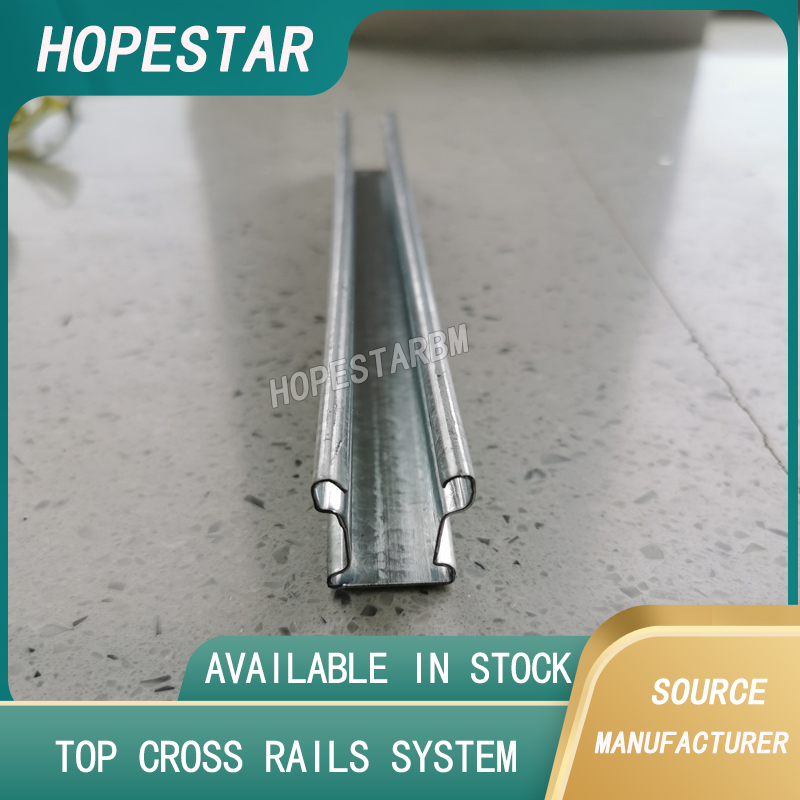
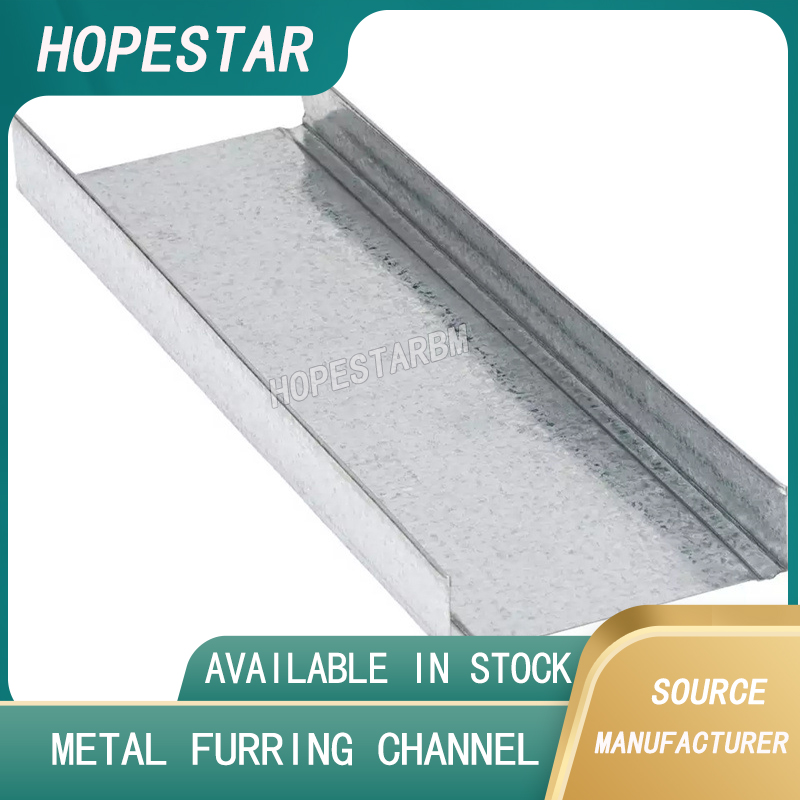
An aluminum hat channel is a lightweight metal framing component commonly used in construction, architectural, and industrial applications. It features a distinctive cross-sectional shape that resembles a top hat, which provides strength, rigidity, and reliable support for surface-mounted systems. Compared to traditional steel hat channels, aluminum hat channels offer unique advantages such as corrosion resistance, reduced weight, and ease of installation.
Aluminum hat channels are widely used in both interior and exterior projects where durability and precision are required.
Structure and Material Characteristics
An aluminum hat channel typically consists of a flat top flange, two vertical sides, and two outward-facing bottom flanges. This symmetrical design enhances structural stability while minimizing material usage. The channels are usually manufactured through extrusion or roll-forming processes, ensuring consistent dimensions and smooth surfaces.
One of the main benefits of aluminum is its natural resistance to corrosion, making aluminum hat channels ideal for humid, coastal, or outdoor environments. They are also non-magnetic and resistant to moisture, rust, and many chemicals.
Common Uses of Aluminum Hat Channels
Aluminum hat channels are extremely versatile and are used in a wide range of applications, including:
-
Ceiling and wall furring systems: Providing a level framework for drywall, panels, and ceiling tiles
-
Architectural cladding support: Serving as backing for aluminum composite panels, metal facades, and decorative wall systems
-
Solar panel mounting systems: Acting as lightweight support rails for photovoltaic panels
-
Signage and display systems: Offering stable mounting structures for commercial signs and exhibition displays
-
Interior design and fit-outs: Used in modern architectural features, partitions, and suspended elements
Their clean appearance also makes them suitable for exposed installations where aesthetics matter.
Advantages of Aluminum Hat Channels
One key advantage of aluminum hat channels is their lightweight nature, which reduces labor costs and simplifies handling and transportation. Despite being lighter than steel, aluminum still provides excellent strength for non-load-bearing and semi-structural applications.
Other advantages include:
-
Corrosion resistance, ideal for outdoor and high-humidity areas
-
Easy cutting and drilling, improving installation efficiency
-
High dimensional accuracy, ensuring precise alignment
-
Environmentally friendly, as aluminum is fully recyclable
-
Low maintenance, with a long service life
These benefits make aluminum hat channels a preferred choice for specialized construction projects.
Aluminum Hat Channel vs Steel Hat Channel
While steel hat channels are often selected for heavy-duty structural applications, aluminum hat channels are better suited for projects requiring lightweight support and corrosion resistance. Aluminum channels are commonly used in coastal buildings, clean rooms, and architectural installations where exposure to moisture is a concern.
Conclusion
An aluminum hat channel is a versatile and efficient framing solution used for ceilings, walls, cladding, solar systems, and architectural installations. Its lightweight design, corrosion resistance, and ease of installation make it an excellent alternative to steel in many applications. Whether for interior finishing or exterior support systems, aluminum hat channels provide durability, flexibility, and long-term performance, making them an essential component in modern construction and design.
What Are the Different Types of Corner Bead?
What’s the Difference Between Hat Channel and Furring Channel?
Related Article