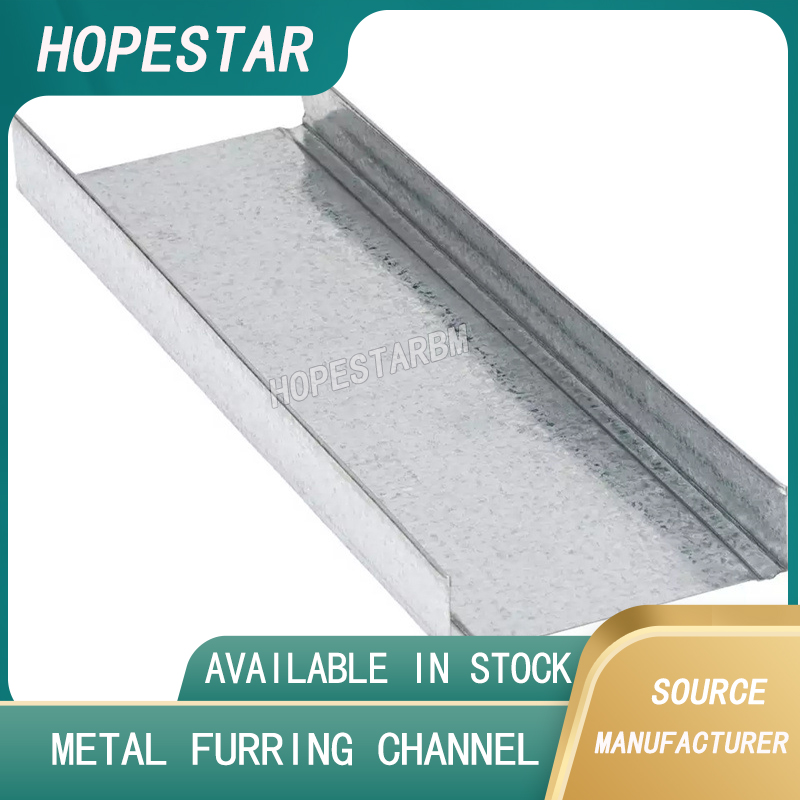
What’s the Difference Between Hat Channel and Furring Channel?
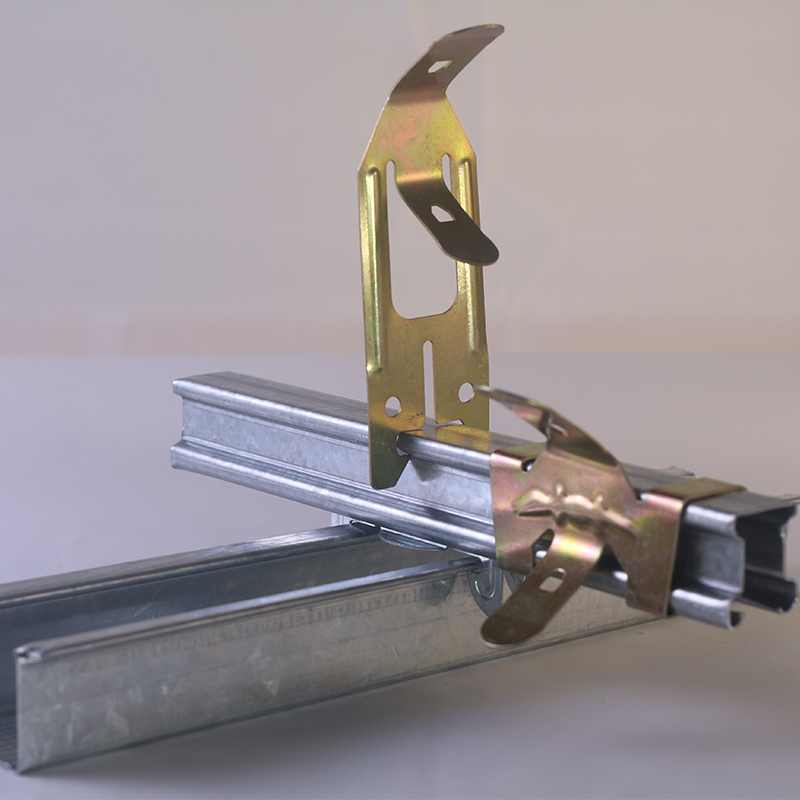
In modern drywall and light steel construction, hat channel and furring channel are commonly used metal framing components. While these terms are sometimes used interchangeably, they are not always the same. Understanding the difference between a hat channel and a furring channel is important for choosing the right product for ceilings, walls, and cladding systems.
What Is a Hat Channel?
A hat channel is a cold-formed steel profile with a cross-section that resembles a top hat. It has a flat top flange, two vertical sides, and two outward-facing bottom flanges. Hat channels are typically made from galvanized steel and are known for their rigidity and load-carrying capability.
Hat channels are commonly used in:
-
Ceiling framing systems
-
Wall furring applications
-
Drywall and plasterboard installations
-
Acoustic ceiling systems
-
Exterior cladding support
Because of their shape, hat channels provide excellent structural strength and allow drywall or panels to be fastened securely and evenly.
What Is a Furring Channel?
A furring channel is a broader term that refers to any metal channel used to create a level surface for finishing materials. Its main purpose is to separate the finished surface from the structural substrate, such as concrete, masonry, or steel framing.
Furring channels are often used to:
-
Level uneven walls or ceilings
-
Create space for insulation, wiring, or plumbing
-
Improve acoustic and thermal performance
-
Support drywall or ceiling panels
In many construction markets, especially in North America, hat channels are actually a type of furring channel. However, not all furring channels are hat channels.
Key Differences Between Hat Channel and Furring Channel
The main difference lies in design specificity and terminology. A hat channel refers to a specific profile shape, while furring channel refers to a functional application.
Hat channels have a standardized hat-shaped profile, offering higher rigidity and better load distribution. Furring channels, on the other hand, can include several profile types, such as hat channels, Z channels, or U-shaped channels, depending on regional standards and project needs.
Another difference is usage context. Hat channels are often selected when strength and precise alignment are required, such as in suspended ceilings. Furring channels may be chosen primarily to create spacing or leveling, even when structural demands are lower.
Installation and Performance Comparison
Hat channels are typically fastened directly to concrete, steel, or wood substrates using screws, anchors, or clips. Drywall or panels are then attached to the channel, ensuring a flat and durable surface.
Furring channels may be installed similarly, but the method varies depending on the channel type. In acoustic systems, resilient furring channels are designed to reduce sound transmission, which is not the primary function of standard hat channels.
Which One Should You Choose?
If your project requires high strength, stability, and consistent performance, a hat channel is usually the better choice. If the goal is mainly to level a surface or create spacing, a general furring channel may be sufficient.
What Is an Aluminum Hat Channel Used For?
What Is the Hat Section Channel?
Related Article