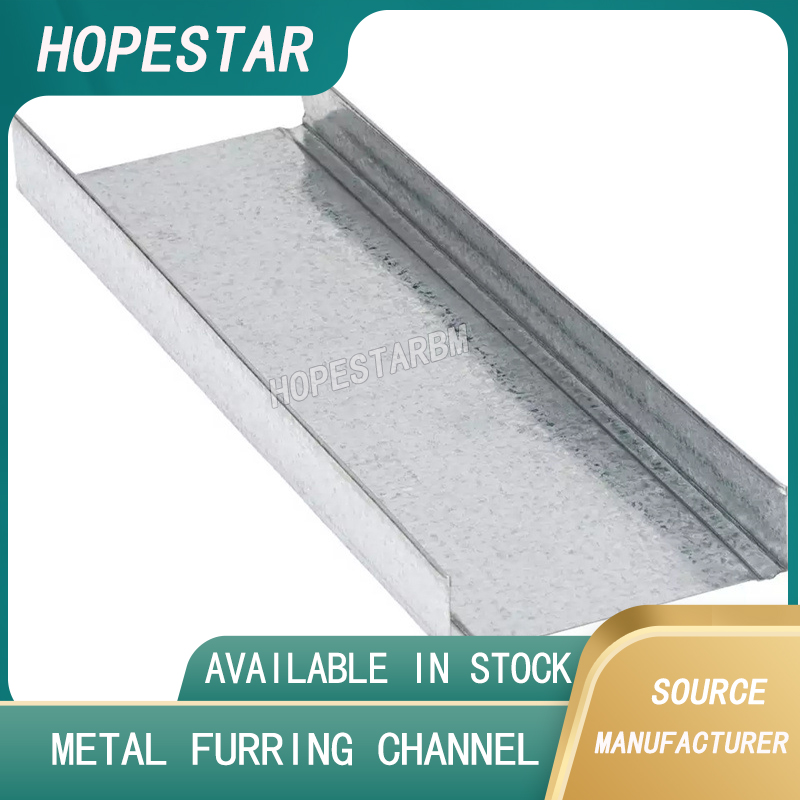
What Is the Hat Section Channel?
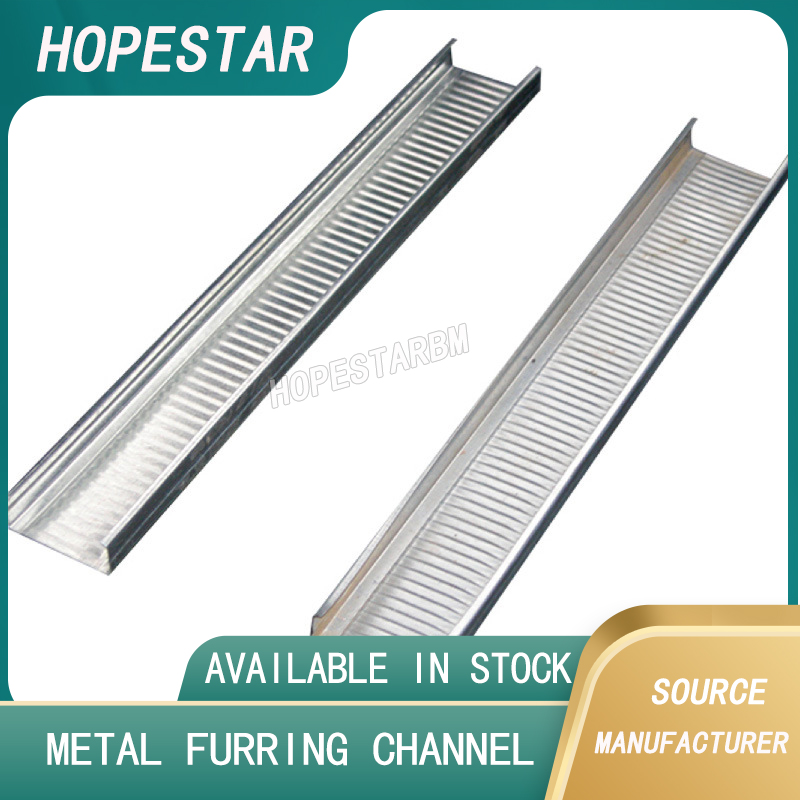
The hat section channel, also known as a hat channel, steel hat channel, or metal hat section, is a cold-formed steel framing component widely used in modern construction. Its name comes from its distinctive cross-section shape, which resembles a top hat. This unique profile provides excellent strength, stability, and load distribution, making it a popular choice in both residential and commercial building projects.
Hat section channels are typically manufactured from galvanized steel, ensuring corrosion resistance and long service life. They are lightweight yet strong, which allows for easy handling, faster installation, and reduced overall construction costs.
Structure and Design of Hat Section Channels
A hat section channel features a flat top flange, two vertical webs, and two outward-turned bottom flanges. This design enhances rigidity while minimizing material usage. The symmetrical shape allows the channel to distribute loads evenly, reducing deflection and improving structural performance.
Hat channels are available in various sizes, thicknesses, and steel grades to meet different project requirements. Common thicknesses range from 0.5 mm to 1.2 mm, depending on application and load demands.
Common Applications of Hat Section Channels
Hat section channels are extremely versatile and are used in a wide range of construction and industrial applications, including:
-
Ceiling systems: Acting as furring channels to support gypsum boards, plasterboards, and ceiling panels
-
Wall furring: Creating a level surface for drywall installation on uneven masonry or concrete walls
-
Suspended ceilings: Providing a stable framework for acoustic and decorative ceiling systems
-
Steel structures: Used as secondary framing members in light steel construction
-
Exterior cladding support: Offering reliable backing for metal panels and façade systems
Their adaptability makes hat section channels essential in modern dry construction systems.
Advantages of Using Hat Section Channels
One of the main advantages of hat section channels is their high strength-to-weight ratio. Despite being lightweight, they offer excellent load-bearing capacity and resistance to bending. This reduces stress on the main structure and improves overall building safety.
Additional benefits include:
-
Easy installation with screws or fasteners
-
Cost-effective compared to traditional wood framing
-
Fire resistance, as steel is non-combustible
-
Dimensional accuracy for precise construction
-
Compatibility with various building materials
Hat Section Channel vs Other Steel Channels
Compared to C channels or U channels, hat section channels are specifically designed for surface mounting and furring applications. Their outward flanges provide better fastening surfaces, making them ideal for ceilings and wall linings where precision and alignment are critical.
Conclusion
The hat section channel is a vital component in modern steel framing and drywall systems. With its unique shape, durability, and versatility, it offers reliable performance for ceilings, walls, and structural support applications. Whether used in residential buildings, commercial spaces, or industrial projects, hat section channels deliver efficiency, strength, and long-term value, making them an essential choice for today’s construction industry.
What’s the Difference Between Hat Channel and Furring Channel?
How to Install Metal Furring Channel Ceiling
Related Article