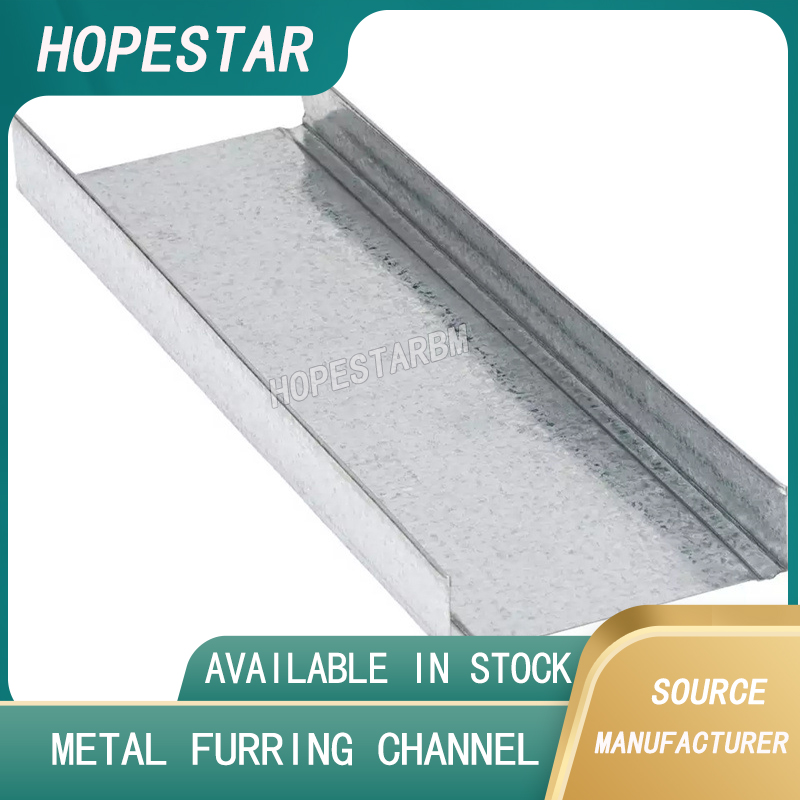
What Are Metal Accessories?
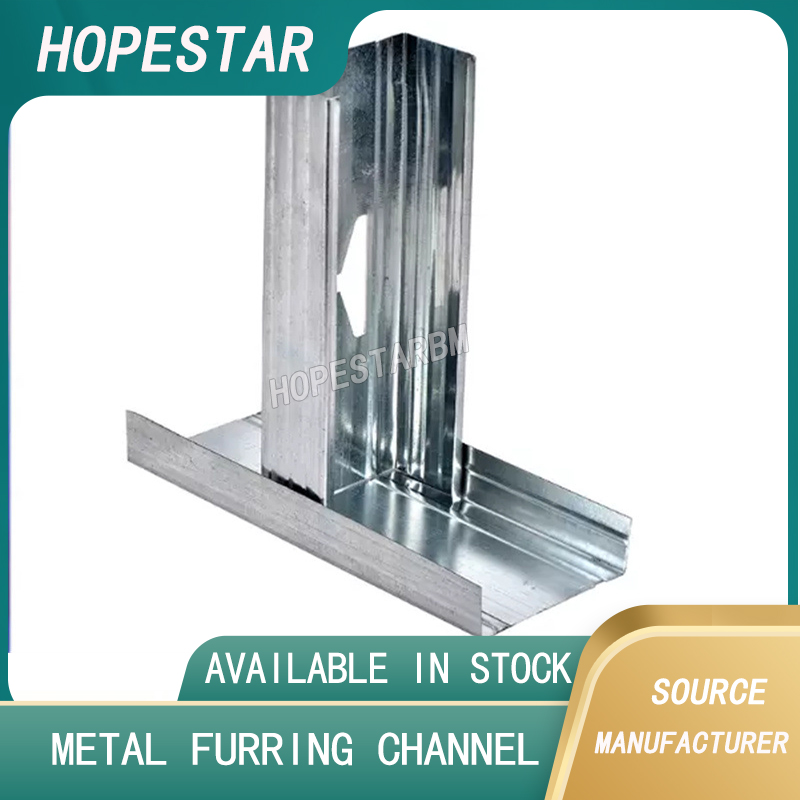
Metal accessories are auxiliary metal components used in construction systems to support, connect, reinforce, and finish building structures. They are widely applied in drywall systems, ceiling frameworks, steel framing, and architectural finishing. Although metal accessories are not always the main structural elements, they are essential for ensuring strength, accuracy, safety, and a professional finish.
Definition of Metal Accessories
In construction, a metal accessory refers to secondary metal products that work together with primary building materials such as gypsum boards, cement boards, and steel studs. These accessories are typically manufactured from galvanized steel, aluminum, or stainless steel, offering excellent durability, corrosion resistance, and dimensional stability.
Common metal accessories include corner beads, expansion joints, control joints, trims, angles, furring channels, hat channels, clips, connectors, and suspension components.
Key Functions of Metal Accessories
One of the main functions of metal accessories is structural reinforcement. Products like metal corner beads protect drywall corners from impact damage, while control joints help manage building movement and reduce cracking.
Another important function is support and connection. In ceiling systems, metal accessories such as furring channels and suspension parts provide reliable support for gypsum boards and acoustic panels. In steel framing systems, metal connectors ensure accurate alignment and secure connections between studs and tracks.
Metal accessories also contribute to finishing and aesthetics. Trims and edge profiles create clean lines, sharp corners, and smooth transitions between different surfaces, improving the overall visual quality of the space.
Advantages of Metal Accessories
Metal accessories offer several advantages over plastic or paper-based alternatives. They provide higher strength and impact resistance, making them suitable for high-traffic areas and commercial environments. Their dimensional accuracy ensures straight edges and consistent performance, which helps reduce installation errors.
Additionally, metal accessories have excellent fire resistance and are less affected by moisture, temperature changes, and aging. With proper coatings such as galvanization, they can maintain long-term performance even in demanding conditions.
Applications of Metal Accessories
Metal accessories are commonly used in residential, commercial, and industrial buildings. Typical applications include drywall partition walls, suspended ceilings, exterior wall systems, and interior decorative finishes. They are essential components in offices, shopping malls, hospitals, schools, hotels, and factories.
Conclusion
In summary, metal accessories are indispensable components in modern construction systems. They enhance strength, ensure accurate installation, improve durability, and contribute to a professional finish. Choosing the right metal accessories helps improve construction quality, reduce maintenance costs, and extend the lifespan of building systems.
What Is Drywall Furring Channel?
What's better, metal or vinyl corner bead?
Related Article