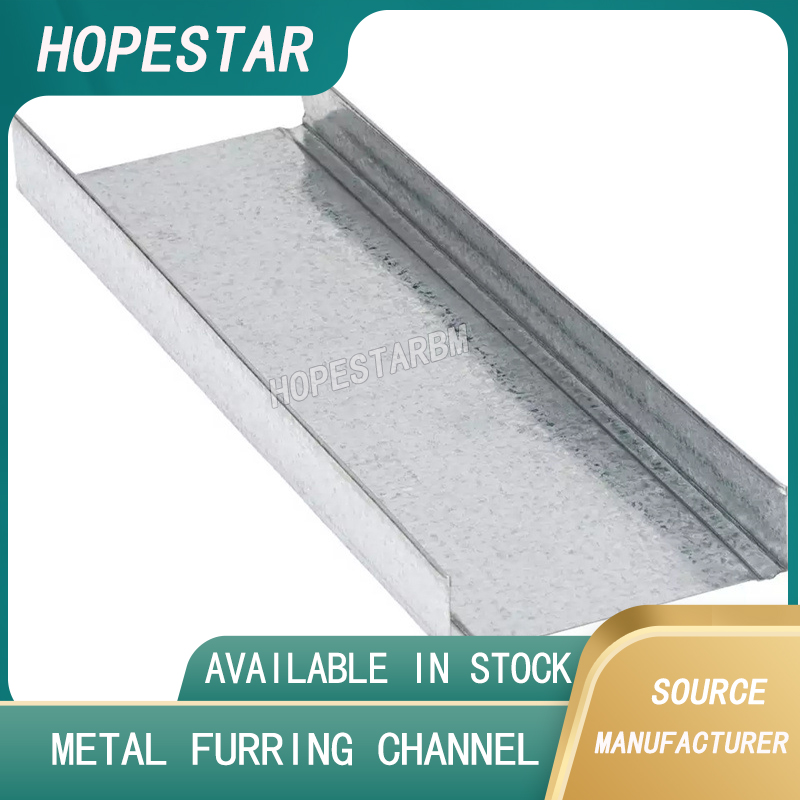
Are metal studs cheaper than wood?
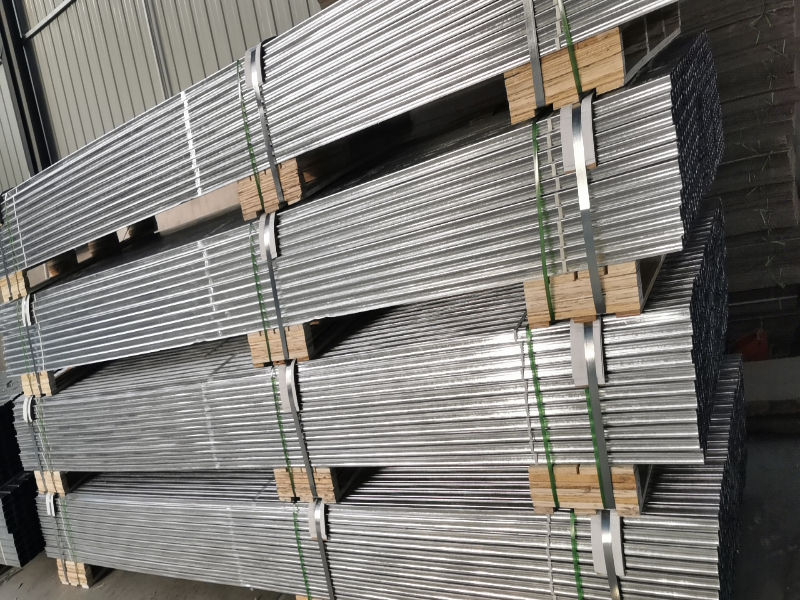
When planning a construction or renovation project, cost is one of the most important factors to consider. A common question among builders, contractors, and homeowners is: are metal studs cheaper than wood? The answer depends on several factors, including material prices, labor costs, project type, and long-term performance. This article explores the cost differences between metal studs and wood studs to help you make an informed decision.
Material Cost Comparison
At first glance, wood studs often appear cheaper than metal studs in terms of upfront material cost. Lumber prices, however, can fluctuate significantly due to supply shortages, seasonal demand, and market conditions. In contrast, metal studs—typically made from galvanized steel—tend to have more stable pricing.
In some markets, especially during periods of high lumber prices, metal studs can be equal to or even cheaper than wood studs. For large commercial projects where materials are purchased in bulk, metal studs often become more cost-competitive.
Labor and Installation Costs
Labor costs play a major role in determining overall project expenses. Wood studs are familiar to many contractors and are easy to cut and fasten using basic tools. Metal studs, on the other hand, require tin snips or power tools and self-tapping screws.
However, metal studs offer advantages that can reduce labor time. They are lightweight, straight, and uniform in size, which speeds up framing and reduces on-site adjustments. Over large projects, faster installation can offset the slightly higher material cost of metal studs.
Waste and Material Efficiency
One hidden cost in construction is material waste. Wood studs may warp, twist, crack, or contain knots, leading to unusable pieces and higher waste rates. Metal studs are manufactured with consistent dimensions and do not suffer from these defects.
Because of this consistency, metal studs often result in less material waste, which can lower overall project costs—especially in commercial and multi-unit residential buildings.
Long-Term Cost Considerations
While initial costs are important, long-term expenses should not be overlooked. Metal studs are resistant to moisture, mold, termites, and rot. Wood studs, particularly in humid environments, may require treatments or repairs over time.
Metal studs are also non-combustible, which can help meet fire safety codes and potentially reduce insurance costs in commercial buildings. From a long-term perspective, metal studs may be more cost-effective due to lower maintenance and replacement needs.
Project Type Matters
The cost advantage of metal studs versus wood largely depends on the type of project. In commercial construction, metal studs are often the more economical choice due to code requirements, scale efficiency, and long-term durability. In small residential projects, wood studs may still be cheaper upfront, especially where labor is readily available and lumber prices are low.
Conclusion
So, are metal studs cheaper than wood? The answer is not a simple yes or no. Wood studs may have a lower initial price in some cases, but metal studs can offer better value through stable pricing, faster installation, reduced waste, and long-term durability. For commercial, industrial, and large residential projects, metal studs are often the more cost-effective solution overall.
Choosing between metal studs and wood should be based on total project cost, performance requirements, and long-term benefits—not just material price alone.
What Is a Corner Bead Used For?
What Are Metal Studs Used For?
Related Article