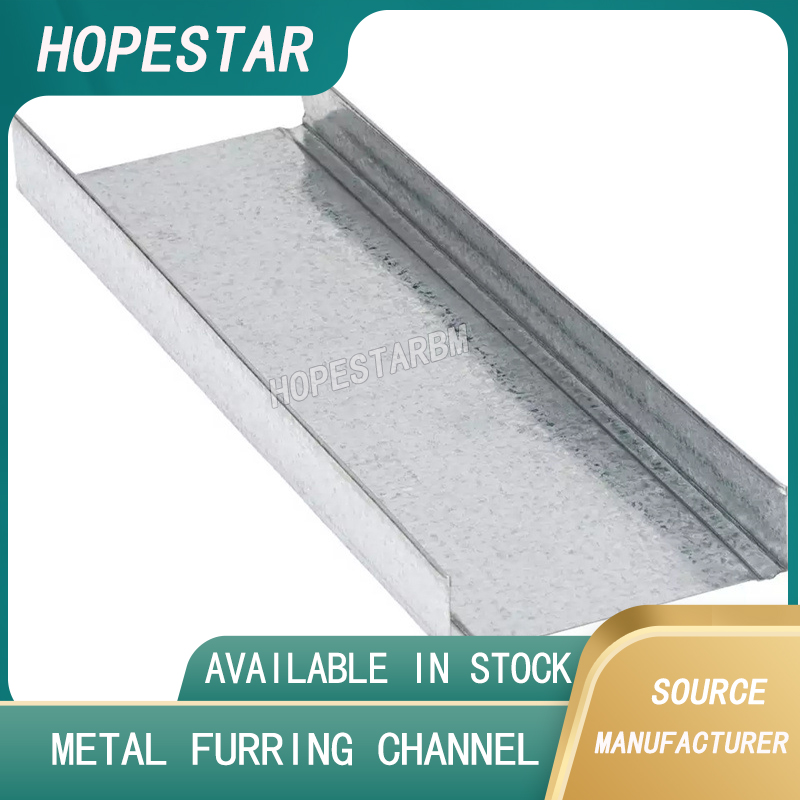
What Are Standard Metal Stud Sizes?

Metal studs are essential components in modern light steel framing systems used for interior walls, ceilings, and partitions. Understanding the standard metal stud sizes is crucial for architects, builders, and contractors to select the right materials for their construction projects. Metal studs vary in width, thickness (gauge), and length, allowing for flexible design options that meet structural and architectural requirements.
Common Widths of Metal Studs
Metal studs come in several standard widths to accommodate different wall thicknesses and insulation needs. The most commonly used widths are:
-
1 5/8 inches (41 mm) – Common for interior non-load-bearing walls and partitions
-
2 1/2 inches (64 mm) – Used for slightly thicker walls and increased insulation space
-
3 5/8 inches (92 mm) – Standard for most load-bearing and non-load-bearing walls
-
4 inches (102 mm) and wider – Typically for specialized or commercial applications requiring extra strength or insulation
Choosing the correct width depends on the intended use, required insulation thickness, and design specifications.
Thickness and Gauge of Metal Studs
The thickness of metal studs is often referred to in gauge, which indicates the steel’s thickness:
-
25 to 26 gauge – Light gauge, used for non-load-bearing walls and interior partitions
-
20 to 22 gauge – Heavier gauge, designed for load-bearing walls or areas needing higher strength
A lower gauge number means thicker steel. For example, 20 gauge steel is thicker and stronger than 26 gauge steel.
Standard Lengths of Metal Studs
Metal studs are typically manufactured in standard lengths to fit various construction needs. Common lengths include:
-
8 feet (2.44 meters)
-
10 feet (3.05 meters)
-
12 feet (3.66 meters)
-
Custom lengths are also available for specific project requirements.
These lengths make it easier to cover different ceiling heights and wall sizes efficiently.
Other Important Dimensions
Besides width, gauge, and length, metal studs also have flange sizes, which are the short horizontal edges on each side of the stud:
-
Flange widths commonly range from 1/2 inch (12 mm) to 1 1/4 inches (32 mm).
-
Wider flanges provide more surface area for fastening drywall and add rigidity.
Choosing the Right Metal Stud Size
Selecting the right metal stud size depends on several factors, including:
-
Wall type: Load-bearing walls require thicker gauges and wider studs.
-
Insulation needs: Thicker studs accommodate more insulation material for better thermal and sound performance.
-
Building codes: Local regulations may dictate minimum sizes and specifications.
-
Ceiling height and structural requirements: Taller walls or those supporting additional loads may need heavier or longer studs.
Consulting with engineers and following building codes is essential to ensure safety and compliance.
Conclusion
Standard metal stud sizes vary by width, gauge, and length to suit a wide range of construction needs. Common widths include 1 5/8”, 2 1/2”, and 3 5/8”, with gauges from 25 to 20 depending on load requirements. Lengths typically range from 8 to 12 feet. Understanding these dimensions helps professionals choose the right metal studs for structural integrity, insulation, and ease of installation.
What Are Metal Studs Used For?
What Is a Drywall Stud?
Related Article