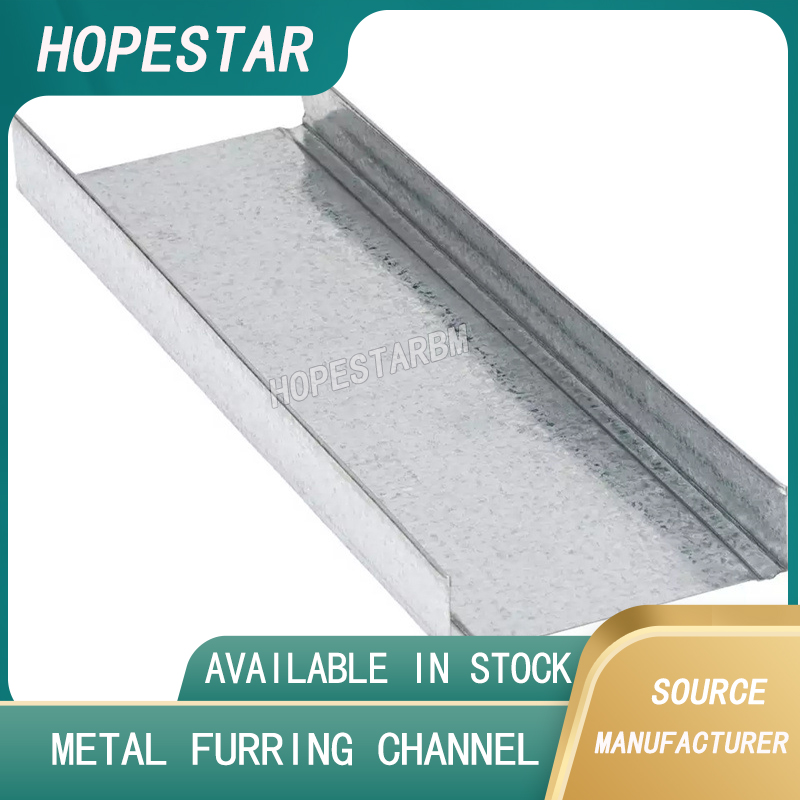
What Kind of Steel Is Used for Drywall?

Drywall framing relies on specialized steel designed to provide strength, durability, and ease of installation. The steel used for drywall is typically cold-formed galvanized steel, selected for its corrosion resistance, lightweight nature, and structural performance. This type of steel is essential for creating metal studs, tracks, and channels that form the framework supporting drywall panels.
Cold-Formed Steel: The Backbone of Drywall Framing
The steel used in drywall construction is mainly cold-formed steel (CFS), which means it is shaped at room temperature through a roll-forming process. This technique produces thin, lightweight steel components with precise dimensions and consistent strength. Cold-formed steel is ideal for drywall because it offers excellent structural integrity without adding excessive weight to the building.
Galvanized Steel for Corrosion Resistance
Since drywall framing is often installed indoors in environments that may have occasional moisture or humidity, the steel is coated with zinc through galvanization. The galvanized layer protects the steel from rust and corrosion, ensuring a long lifespan for the framing members.
Galvanized steel drywall studs and tracks comply with industry standards for durability and performance, making them suitable for both residential and commercial applications.
Steel Grades and Thickness for Drywall
The steel used for drywall framing usually comes in specific grades, commonly G40 or G60, indicating the thickness of the zinc coating and corrosion protection level. The thickness of drywall steel framing typically ranges from 0.018 inches (26 gauge) to 0.033 inches (20 gauge), depending on the load requirements and building codes.
-
Light-gauge steel (25-26 gauge) is standard for non-load-bearing walls and partitions.
-
Heavier gauges (20-22 gauge) are used for load-bearing walls or areas requiring more strength.
Advantages of Using Steel for Drywall Framing
Steel offers multiple benefits over traditional wood framing in drywall applications:
-
Non-combustible and fire-resistant: Steel does not burn, improving building safety.
-
Consistent quality and straightness: Steel studs are uniform, reducing warping and twisting common in wood.
-
Termite and pest resistant: Steel is impervious to insect damage.
-
Lightweight yet strong: Easier to handle and install without sacrificing strength.
-
Environmentally friendly: Steel is recyclable and often contains recycled content.
Applications of Steel in Drywall Systems
Steel framing is used to build:
-
Interior non-load-bearing partition walls
-
Load-bearing walls in commercial buildings
-
Suspended ceiling grids and furring channels
-
Wall reinforcements around doors and windows
Conclusion
The steel used for drywall is predominantly cold-formed galvanized steel due to its corrosion resistance, strength, and lightweight characteristics. Proper selection of steel grade and thickness ensures structural integrity and compliance with building standards. Using steel framing in drywall construction improves durability, fire safety, and installation efficiency, making it a preferred choice in modern construction.
What Is a Drywall Stud?
What Is a Steel Structure Channel?
Related Article