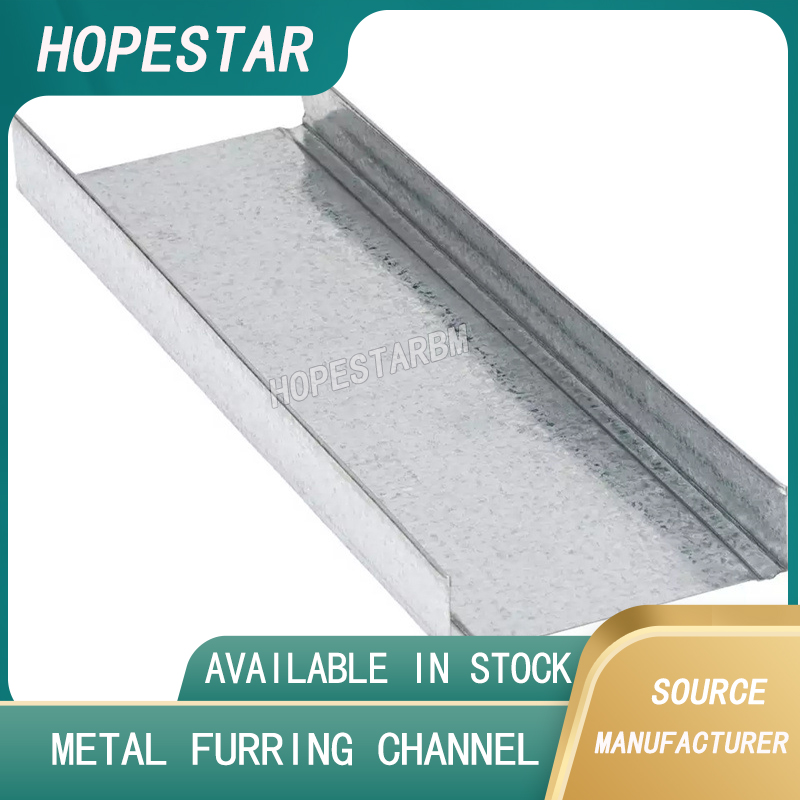
What Is a Steel Structure Channel?
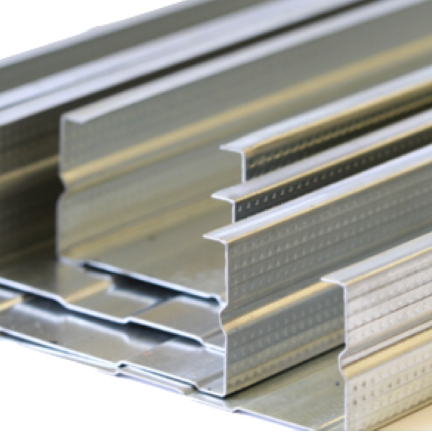
A steel structure channel is a cold-formed or hot-rolled steel section widely used in building and industrial construction to provide structural support, framing, and reinforcement. It is commonly referred to as a steel channel, C channel, or U channel, depending on its shape and regional terminology. Steel structure channels are essential components in modern steel frameworks due to their strength, versatility, and load-bearing capability.
Steel structure channels are manufactured from carbon steel or galvanized steel and are designed to withstand heavy loads, environmental stress, and long-term use in demanding construction conditions.
Shape and Design of Steel Structure Channels
A steel structure channel typically has a U-shaped or C-shaped cross section, consisting of:
-
One flat web
-
Two parallel flanges extending from the web
This design allows the channel to resist bending and shear forces efficiently. Steel structure channels are available in various sizes, thicknesses, and lengths to meet different engineering and architectural requirements. Depending on the application, they may be hot-rolled for heavy structural use or cold-formed for lightweight framing systems.
Common Applications of Steel Structure Channels
Steel structure channels are widely used across multiple industries and construction fields.
Building and Structural Framing
In steel buildings, channels are used for floor systems, roof framing, wall structures, and support beams. They help distribute loads evenly and provide stability to the overall structure.
Industrial and Infrastructure Projects
Steel channels are commonly found in bridges, platforms, machinery frames, conveyor systems, and industrial racks. Their high load capacity makes them suitable for heavy-duty applications.
Wall, Ceiling, and Partition Systems
In light steel construction, steel structure channels are used as tracks, studs, or furring members to support drywall, ceilings, and partition walls. Galvanized steel channels are especially popular for interior applications due to their corrosion resistance.
Equipment Support and Fabrication
Steel channels are frequently used in custom fabrication, including frames, brackets, supports, and base structures for mechanical and electrical equipment.
Advantages of Steel Structure Channels
Steel structure channels offer several important advantages:
-
High Strength and Load Capacity: Suitable for both light and heavy structural applications
-
Durability: Resistant to impact, deformation, and long-term wear
-
Corrosion Resistance: Galvanized options perform well in humid or outdoor environments
-
Ease of Fabrication: Can be cut, welded, bolted, or drilled easily
-
Cost-Effective: Long service life reduces maintenance and replacement costs
Compared to traditional materials such as wood or aluminum, steel channels provide superior structural performance and reliability.
Steel Structure Channel vs. Other Steel Sections
Compared with steel angles or square tubes, steel structure channels offer better accessibility for connections and easier installation in framing systems. Their open shape allows for convenient fastening and alignment, making them a preferred choice in many structural designs.
Conclusion
A steel structure channel is a fundamental component in modern construction and industrial projects. With its strong load-bearing capacity, flexible design options, and wide range of applications, it plays a critical role in steel frameworks, building structures, and equipment support systems. Whether used in heavy structural construction or light steel framing, steel structure channels provide a reliable and efficient solution for today’s engineering needs.
What Kind of Steel Is Used for Drywall?
What Is a Metal Hat Channel?
Related Article