
What Is a Hat Channel?
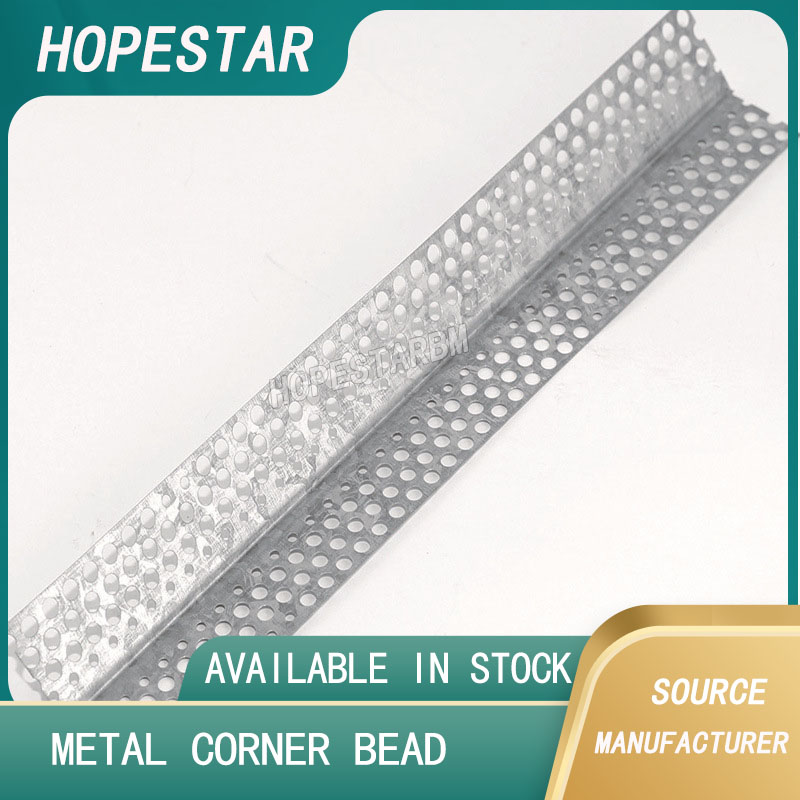
A hat channel, also known as a hat-shaped metal channel, is a widely used cold-formed steel component in modern construction. Its name comes from its cross-sectional shape, which resembles a top hat. Hat channels are commonly made from galvanized steel or aluminum and are primarily used to support wall and ceiling systems, improve structural alignment, and create space for insulation or services.
In both residential and commercial projects, the hat channel plays an important role in ensuring durability, stability, and ease of installation.
What Is a Hat Channel?
A hat channel is a lightweight metal furring channel with a flat top and two vertical legs that extend downward, forming a rigid profile. It is typically installed horizontally or vertically onto concrete, masonry, wood, or steel framing. Drywall panels, cement boards, or cladding materials are then fixed directly to the hat channel.
Because of its shape and strength, the hat channel provides excellent load distribution while remaining lightweight and easy to handle on site.
Common Uses of Hat Channel
Hat channels are used in a wide range of construction applications, including:
-
Ceiling systems: Supporting gypsum boards, acoustic panels, and decorative ceiling finishes
-
Wall furring: Creating a level surface over uneven concrete or masonry walls
-
Soffits and bulkheads: Providing a clean framework for architectural details
-
Rainscreen systems: Creating an air gap between exterior cladding and the structural wall
-
Soundproofing assemblies: Helping reduce vibration and improve acoustic performance
These applications make the hat channel a versatile solution for both interior and exterior construction.
Key Benefits of Hat Channel
One major advantage of using a hat channel is its strength-to-weight ratio. Despite being lightweight, it offers strong support for finishing materials. This makes installation faster and reduces labor costs.
Another benefit is corrosion resistance. Most hat channels are manufactured with galvanized coatings, allowing them to perform well in humid environments and extend their service life.
Hat channels also improve construction accuracy. By creating a uniform and straight substrate, they help achieve flatter walls and ceilings, which is especially important for high-quality finishes.
In addition, hat channels allow space for electrical wiring, plumbing, and insulation, improving both functionality and energy efficiency.
Hat Channel vs. Other Metal Channels
Compared to traditional wood furring strips, hat channels are more consistent in size, resistant to warping, and non-combustible. When compared with heavier steel framing components, hat channels are easier to cut, transport, and install, making them ideal for non-load-bearing applications.
Conclusion
The hat channel is an essential component in modern building systems. With its lightweight structure, strong performance, corrosion resistance, and wide range of applications, it provides a reliable solution for wall and ceiling installations. Whether used in residential homes, commercial buildings, or industrial projects, the hat channel continues to be a preferred choice for contractors seeking efficiency, durability, and professional results.
By choosing the right hat channel size and material, builders can significantly improve construction quality while maintaining cost control and long-term performance.
What Is a Metal Hat Channel?
Metal Furring Sizes
Related Article



