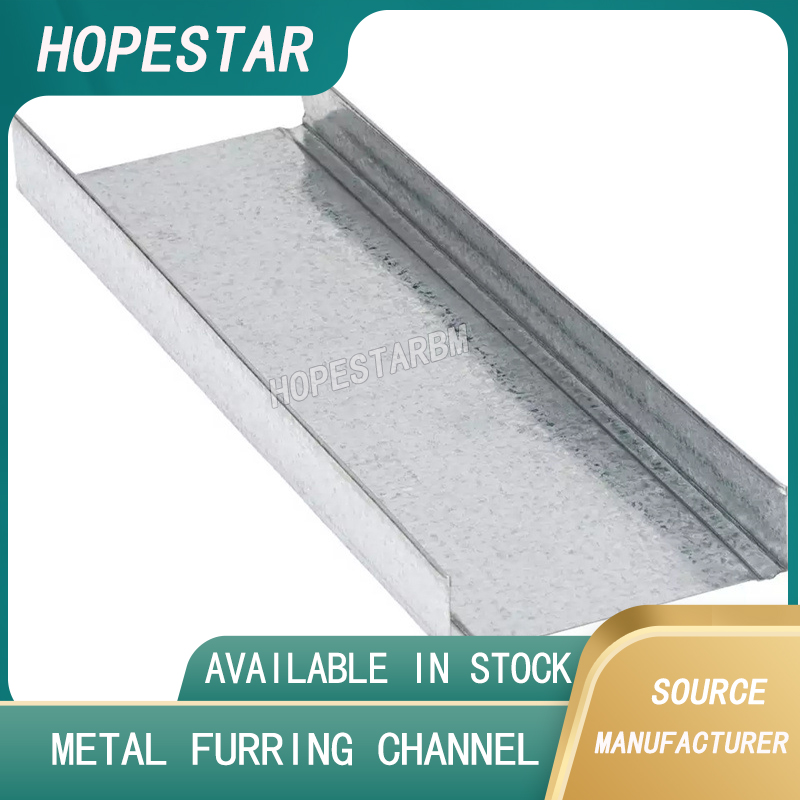
Z Furring Channel
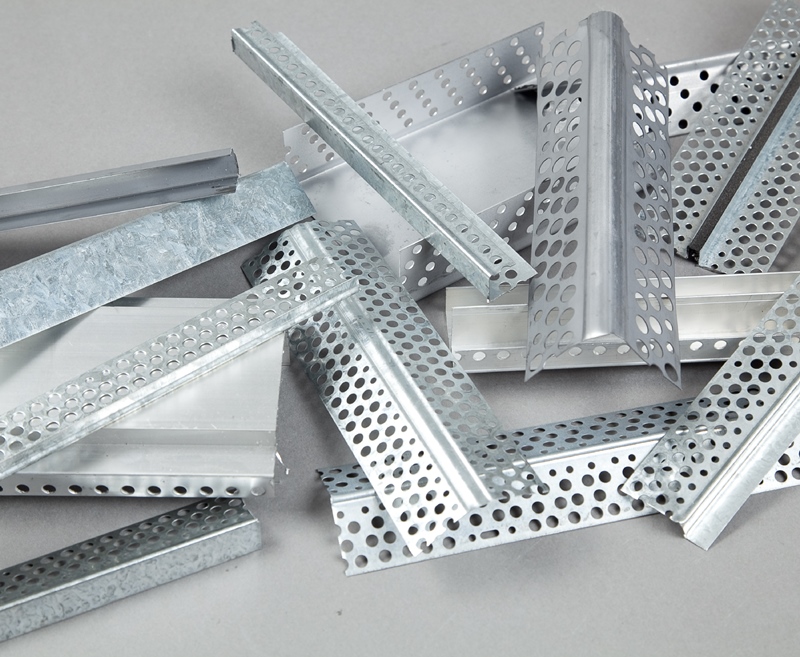
The Z furring channel is a widely used metal framing component in modern construction, designed to create a secure attachment surface for wall cladding, drywall, and ceiling systems. Thanks to its distinctive Z-shaped profile, this furring channel provides excellent structural support, improved airflow, and precise alignment, making it a preferred choice in both residential and commercial projects.
What Is a Z Furring Channel?
A Z furring channel is a cold-formed steel profile shaped like the letter “Z.” It is typically installed over concrete, masonry, or steel substrates to support exterior panels, interior drywall, insulation systems, or metal cladding. The stepped profile allows materials to be fastened securely while creating space between the wall surface and the framing.
Compared to traditional wood furring, Z furring channels offer better dimensional stability, consistent quality, and long-term durability.
Key Advantages of Z Furring Channels
Using a Z furring channel provides several important benefits:
-
Strong load-bearing capacity due to its geometric shape
-
Improved ventilation and drainage behind wall systems
-
Resistance to moisture, rot, and termites
-
Non-combustible steel construction
-
Precise and straight installation results
These advantages make Z furring channels especially suitable for exterior wall systems and high-performance building envelopes.
Common Applications of Z Furring Channel
Z furring channels are versatile and used in a wide range of applications, including:
-
Exterior wall cladding systems
-
Insulated wall assemblies
-
Metal panel and siding installation
-
Drywall support over concrete or masonry walls
-
Ceiling leveling systems in commercial buildings
They are commonly used in industrial facilities, warehouses, office buildings, and residential developments where strength and durability are critical.
Standard Sizes and Materials
Z furring channels are typically manufactured from galvanized steel, providing corrosion resistance and long service life. Common thicknesses range from 0.7 mm to 1.2 mm, depending on structural requirements. Depth and flange dimensions vary to accommodate different insulation thicknesses and fastening needs.
Manufacturers often offer customized sizes to meet specific project specifications or regional building standards.
Installation Considerations
Installing a Z furring channel requires accurate layout and secure fastening to the base structure. Channels are usually fixed vertically or horizontally using mechanical anchors or screws. Insulation materials can be placed between channels, and finishing panels are then attached to the exposed flange.
Proper spacing and alignment are essential to ensure even load distribution and a flat finished surface. Following engineering guidelines and local building codes helps guarantee system performance.
Z Furring Channel vs. Other Furring Systems
Compared with hat channels or U-shaped furring, Z furring channels provide superior stiffness and greater flexibility for exterior applications. The offset design allows for better moisture control and thermal performance, making them ideal for rainscreen and insulated façade systems.
Conclusion
The Z furring channel is a dependable and efficient framing solution for modern wall and ceiling construction. With its strong structural performance, corrosion resistance, and versatile applications, it plays a vital role in creating durable, well-ventilated, and professionally finished building systems. Whether used for exterior cladding or interior wall support, Z furring channels are a smart investment for long-term construction quality.
Steel Hat Channel
Metal Furring Size for Ceiling
Related Article