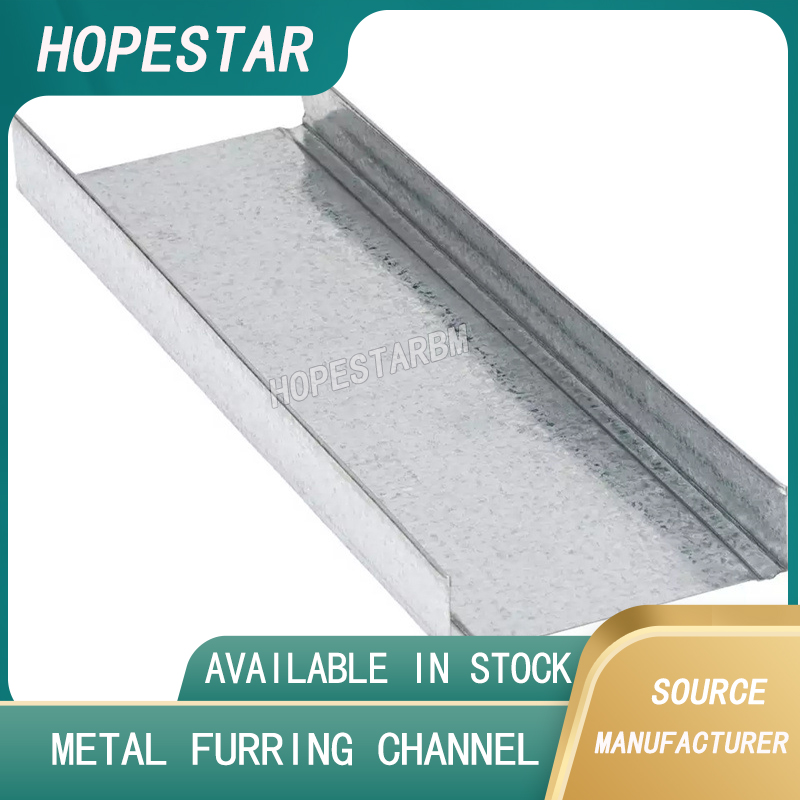
Metal Furring Size for Ceiling
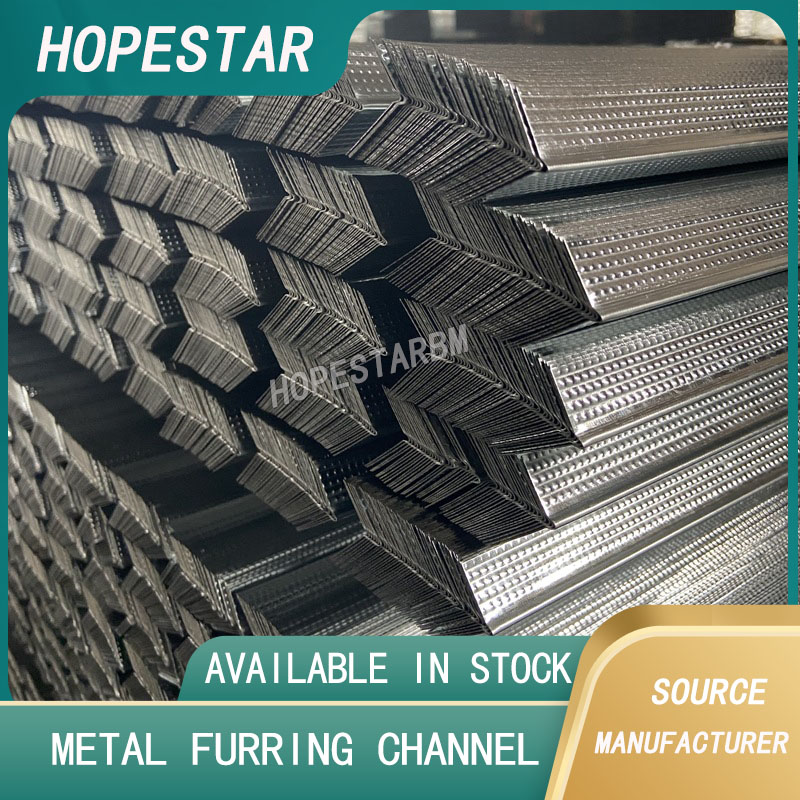
Choosing the correct metal furring size for ceiling applications is essential for achieving a strong, level, and long-lasting ceiling system. Metal furring channels are widely used in drywall and suspended ceiling installations to provide structural support, improve alignment, and reduce cracking. Understanding standard sizes, spacing, and applications helps contractors and builders ensure high-quality results.
What Is Metal Furring for Ceilings?
Metal furring refers to lightweight steel channels installed beneath concrete slabs, wood joists, or structural framing to support drywall or ceiling panels. Compared with wood furring, metal furring channels offer better dimensional stability, resistance to warping, and consistent performance in different environments.
Metal furring systems are commonly used in residential homes, commercial buildings, offices, and renovation projects.
Standard Metal Furring Sizes for Ceiling
The most common metal furring size for ceiling installations is the hat-shaped furring channel, named for its profile. Typical sizes include:
-
Depth: 7/8 inch (22 mm) – the most widely used size
-
Width: approximately 2-1/2 inches (64 mm)
-
Thickness: 0.4 mm to 0.6 mm (25–20 gauge steel)
In some projects, shallower or deeper profiles may be used depending on load requirements, ceiling height, and design specifications. Heavier gauges are preferred for commercial ceilings or areas with additional loads such as lighting fixtures or insulation.
Spacing Requirements for Ceiling Metal Furring
Correct spacing is just as important as choosing the right metal furring size. Standard spacing for ceiling applications typically includes:
-
16 inches on center (400 mm) for higher load capacity
-
24 inches on center (600 mm) for standard residential ceilings
Tighter spacing improves ceiling rigidity and reduces sagging, especially when using heavier drywall boards or acoustic panels.
Advantages of Using Metal Furring in Ceilings
Using the proper metal furring size for ceiling systems offers several advantages:
-
Improved ceiling strength and durability
-
Excellent alignment and flatness
-
Fire resistance and non-combustible material
-
Resistance to moisture, rot, and insects
-
Compatibility with modern drywall systems
Metal furring channels also make it easier to run electrical wiring, install insulation, and integrate lighting fixtures above the ceiling surface.
Applications of Metal Furring Ceiling Systems
Metal furring channels are suitable for a wide range of ceiling applications, including:
-
Gypsum board ceilings
-
Suspended and drop ceilings
-
Concrete ceiling leveling systems
-
Commercial offices and retail spaces
-
Residential apartments and houses
They are commonly used in construction markets across North America, Australia, and Europe, where lightweight steel framing systems are standard practice.
How to Choose the Right Metal Furring Size
When selecting the correct metal furring size for ceiling projects, consider the following factors:
-
Ceiling load and drywall thickness
-
Span length and spacing requirements
-
Building codes and local standards
-
Environmental conditions such as humidity
Consulting project specifications and manufacturer recommendations ensures optimal performance and compliance.
Conclusion
Understanding metal furring size for ceiling systems is critical for building safe, durable, and visually appealing ceilings. By selecting the proper size, thickness, and spacing, builders can improve ceiling performance while reducing long-term maintenance issues. Whether for residential or commercial use, metal furring channels remain a reliable and cost-effective ceiling solution.
Z Furring Channel
Sheetrock Edge Protectors
Related Article