Metal Furring Size for Ceiling
When designing or installing a ceiling system, choosing the correct metal furring size for ceiling is one of the most important factors affecting strength, durability, and overall performance. Metal furring channels are widely used in residential and commercial ceilings to support drywall, gypsum board, and other ceiling panels while ensuring a flat and stable surface.
What Is Metal Furring for Ceiling?
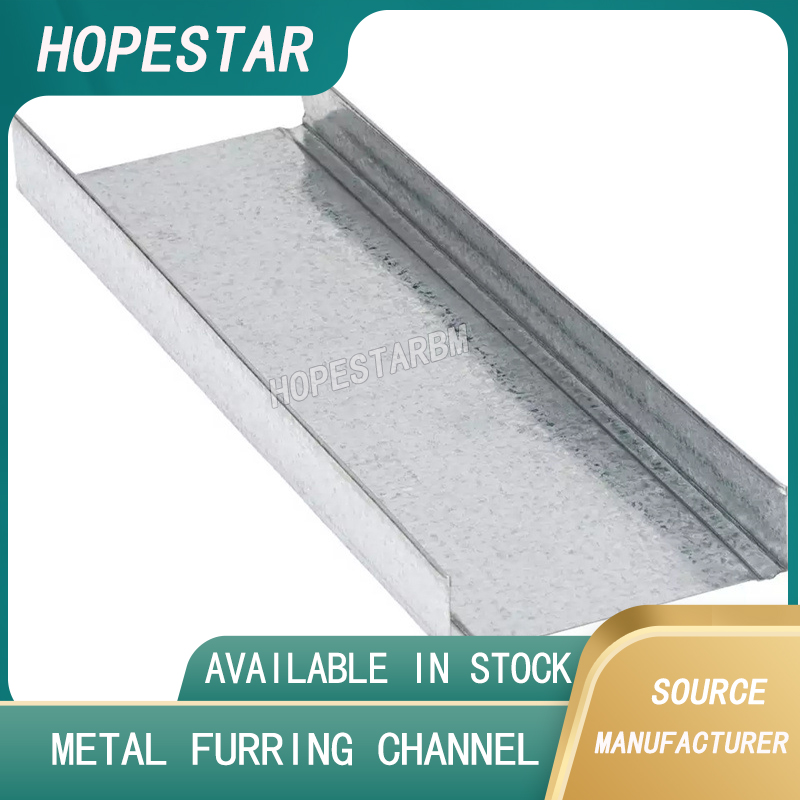
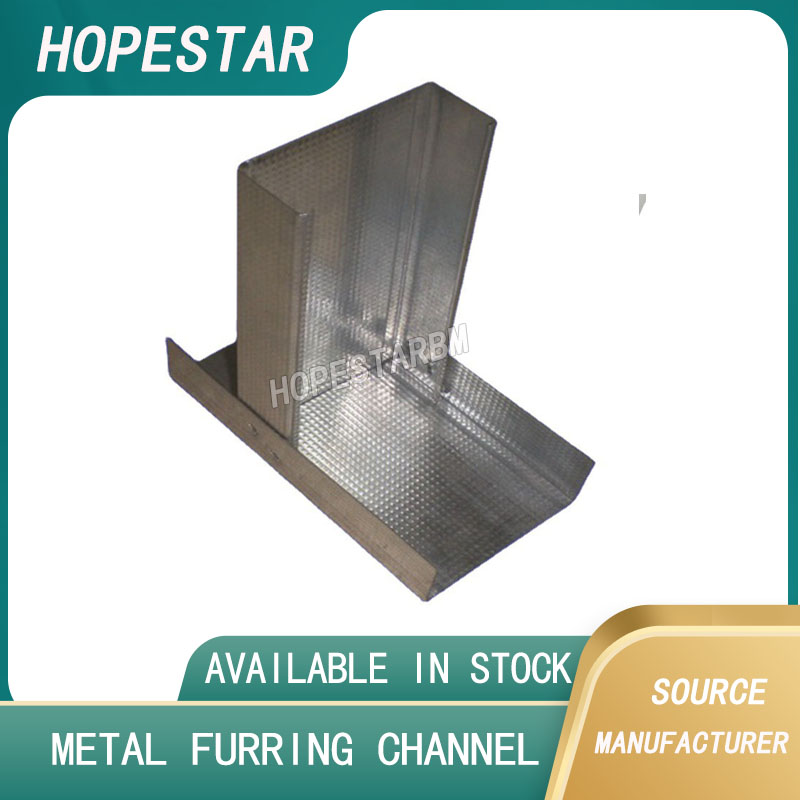
Metal furring is a lightweight galvanized steel channel installed beneath concrete slabs, wooden joists, or steel structures. Its main function is to create a level framework for ceiling boards and to provide space for insulation, wiring, and ventilation systems. Because of its corrosion resistance and consistent dimensions, metal furring is preferred over wood in modern ceiling construction.
Standard Metal Furring Size for Ceiling
The most common metal furring size for ceiling includes several key dimensions: width, height, thickness, and length.
In terms of face width, metal furring channels are usually available in 16 mm, 19 mm, and 25 mm. Among these, 16 mm and 19 mm sizes are the most popular for standard residential ceilings, while 25 mm is often chosen for commercial or higher-load applications.
The height or flange depth typically ranges from 12 mm to 22 mm. A 22 mm height is frequently used in suspended ceiling systems because it offers better rigidity and load distribution.
Thickness, also known as gauge, is critical for ceiling safety. For light residential ceilings, thicknesses between 0.40 mm and 0.45 mm are common. Standard drywall ceilings usually require 0.50 mm to 0.55 mm, while commercial ceilings or ceilings with heavy insulation may use 0.60 mm or thicker metal furring.
Metal furring length is generally supplied in 3 m, 3.6 m, or 4 m, with custom lengths available for large projects or export markets.
How to Choose the Right Metal Furring Size for Ceiling
Selecting the correct metal furring size for ceiling depends on several factors. The weight of the ceiling board is the first consideration. Thicker drywall or decorative panels require wider and thicker furring channels. Ceiling span and spacing also matter. For standard installations, metal furring spacing is usually 400 mm or 450 mm, while heavier ceilings may need 300 mm spacing.
Environmental conditions should not be ignored. In humid or coastal areas, galvanized metal furring with sufficient thickness ensures better corrosion resistance and long-term stability.
Applications of Metal Furring Ceiling Systems
Metal furring ceiling systems are widely used in gypsum board ceilings, drop ceilings, suspended ceilings, and concrete slab ceilings. They are suitable for residential buildings, offices, shopping malls, hospitals, and industrial facilities.
Conclusion
Understanding the correct metal furring size for ceiling helps ensure a safe, flat, and durable ceiling system. By choosing the proper width, height, thickness, and spacing, builders and contractors can improve installation efficiency and extend the service life of the ceiling. Whether for residential or commercial use, metal furring remains a reliable and cost-effective ceiling solution.
Metal Stud and Metal Track
Is carrying channel and metal furring the same?
Related Article