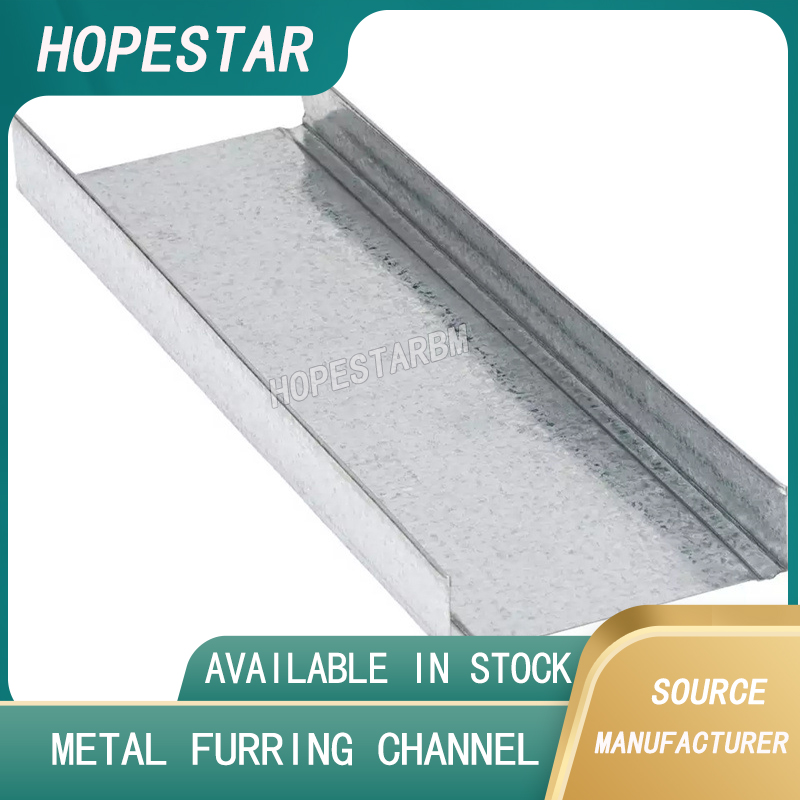
What are the standard metal furring sizes?
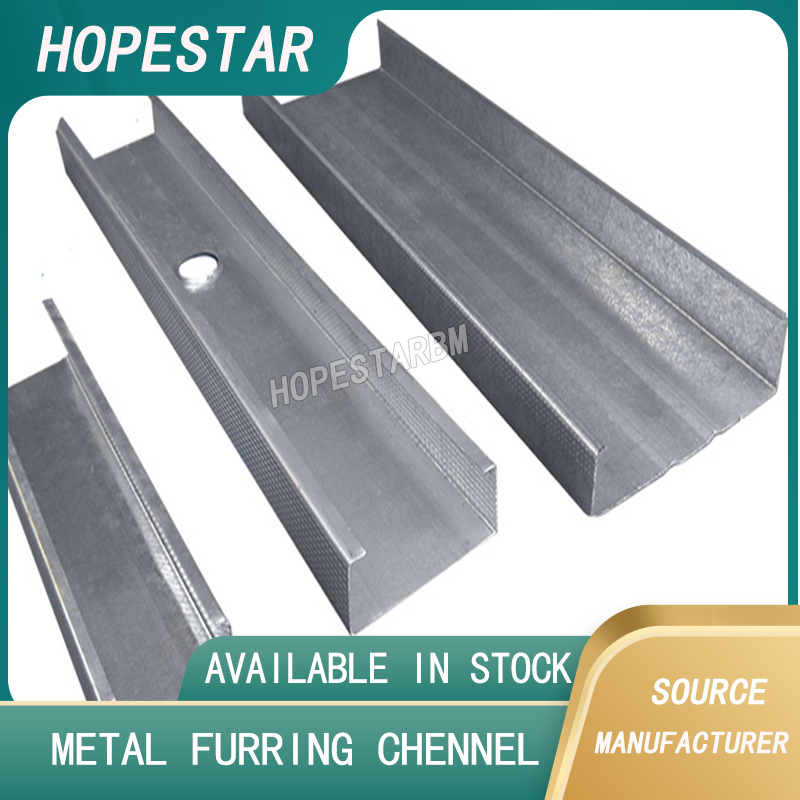
Standard metal furring channel sizes are fairly consistent worldwide, with slight regional differences depending on building codes (US, Australia, Europe, Canada). Below is a clear, practical breakdown used in drywall ceilings and wall systems.
1. Common Metal Furring Channel Profiles
The most common shape is the hat channel (Ω-shape), also called:
-
Furring channel
-
Hat furring
-
Ceiling furring channel
2. Standard Metal Furring Channel Sizes
Width (Face Width)
-
16 mm (≈ 5/8")
-
25 mm (≈ 1")
-
35 mm (≈ 1-3/8")
? 25 mm is the most widely used size for drywall ceilings.
Depth / Height
-
7–10 mm (light-duty wall leveling)
-
12 mm
-
19 mm
-
22–25 mm (heavy-duty ceiling applications)
Thickness (Steel Gauge)
-
0.45 mm
-
0.50 mm
-
0.55 mm
-
0.60 mm
Thicker gauges are used for higher load capacity and commercial projects.
Standard Lengths
-
2.4 m
-
3.0 m
-
3.6 m
-
4.0 m
(Custom lengths up to 6 m are also available.)
3. Regional Size References
United States / Canada
-
Typical size: 25 mm × 19 mm
-
Length: 8 ft, 10 ft, 12 ft
-
Thickness: 0.45–0.55 mm
Australia / New Zealand
-
Common size: 16 mm or 28 mm face width
-
Height: 19 mm or 28 mm
-
Thickness: 0.55 mm (BMT)
Europe
-
Popular sizes:
-
CD 60 × 27 mm
-
Hat channel 50 × 15 mm
-
-
Thickness: 0.6 mm
4. How to Choose the Right Size
-
Ceilings: 25 × 19 mm, thickness ≥ 0.5 mm
-
Walls (leveling): 16 × 7 mm or 16 × 10 mm
-
Heavy boards / cement board: ≥ 0.6 mm thickness
-
Long spans: Use deeper profiles (22–27 mm)
5. Quick Tip
Always check:
-
Local building codes
-
Ceiling load requirements
-
Board thickness and spacing
Is carrying channel and metal furring the same?
How to use metal furring channel?
Related Article