How to use metal furring channel?
Metal furring channels are widely used in drywall and ceiling systems to create a stable framework for finishing materials. Here’s a clear, practical guide on how to use a metal furring channel in both ceilings and walls.
1. What Is a Metal Furring Channel?
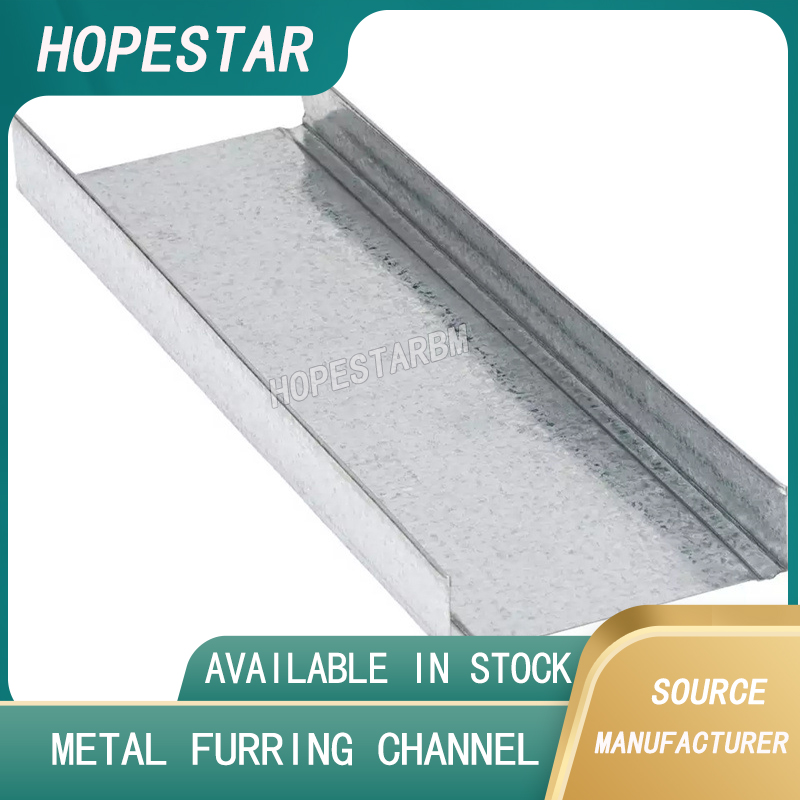
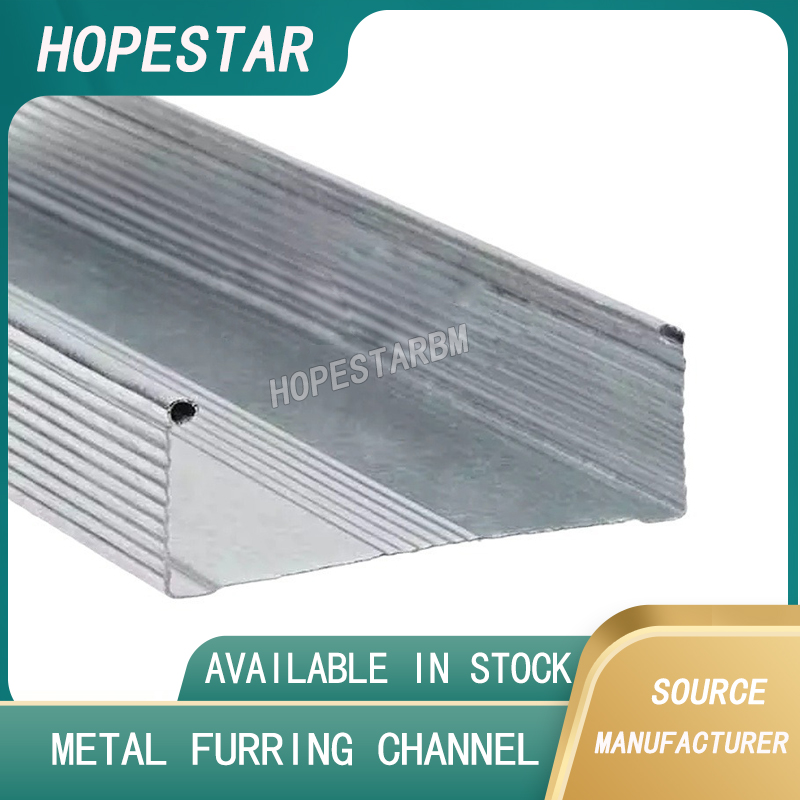
A metal furring channel is a thin, cold-formed steel channel designed to support gypsum board, cement board, or other panel materials. It is commonly installed over concrete, masonry, or existing structures to create a flat, level surface.
2. Tools & Materials Needed
-
Metal furring channels
-
Wall angles or perimeter tracks
-
Suspension wires or anchors (for ceilings)
-
Self-drilling screws
-
Drill and level
-
Measuring tape and chalk line
3. How to Use Metal Furring Channel on Ceilings
Step 1: Mark the Layout
-
Mark ceiling lines with a chalk line.
-
Typical spacing is 400 mm or 600 mm (16" or 24") depending on board thickness.
Step 2: Install Perimeter Angle
-
Fix wall angle or perimeter track around the room.
-
Ensure it is perfectly level.
Step 3: Hang the Furring Channels
-
Suspend channels using hanger wires or clips from the structural ceiling.
-
Keep channels straight and level.
Step 4: Fix Ceiling Boards
-
Attach gypsum boards perpendicular to the furring channels.
-
Use drywall screws at recommended spacing.
4. How to Use Metal Furring Channel on Walls
Step 1: Prepare the Surface
-
Clean and check wall flatness.
-
Mark vertical or horizontal channel positions.
Step 2: Fix Channels to Wall
-
Anchor the furring channels directly to concrete or masonry using expansion bolts or screws.
-
Maintain consistent spacing (usually 400–600 mm).
Step 3: Install Boards
-
Fix drywall or cement board onto the channels.
-
Ensure joints align properly.
5. Common Installation Tips
-
Always check local building codes for spacing and load limits.
-
Use galvanized furring channels for corrosion resistance.
-
Do not overtighten screws to avoid deforming the channel.
-
Use acoustic insulation between channels if soundproofing is required.
6. Typical Applications
-
Suspended ceilings
-
Drywall partitions
-
Wall leveling over uneven surfaces
-
Commercial and residential interiors
What are the standard metal furring sizes?
What Is a Perforated Corner Bead for Partition Walls? What Materials Are Available?
Related Article