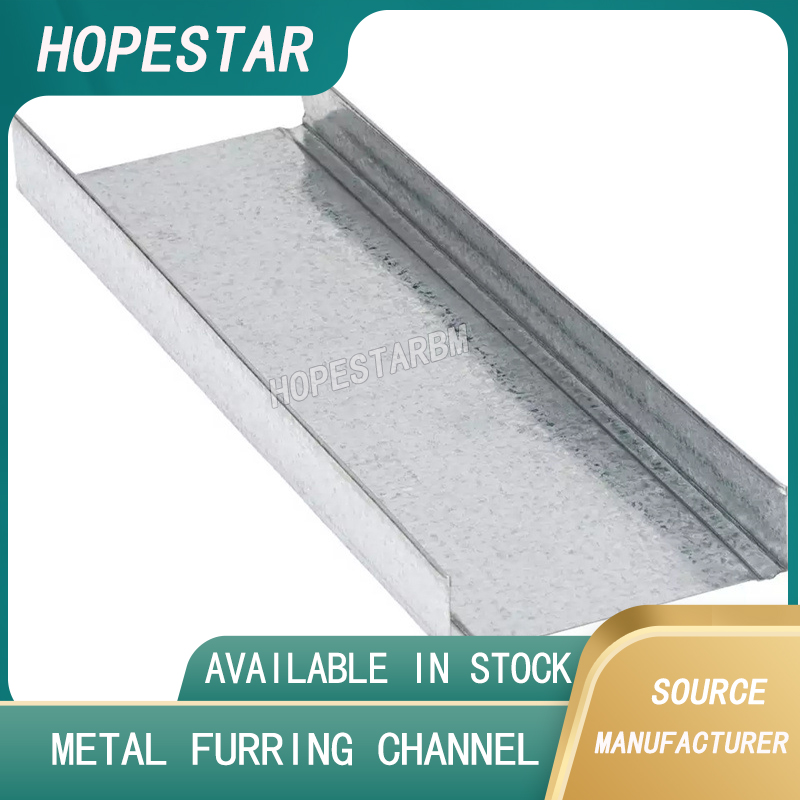
Standard Length of Metal Furring: A Complete Guide for Construction Projects
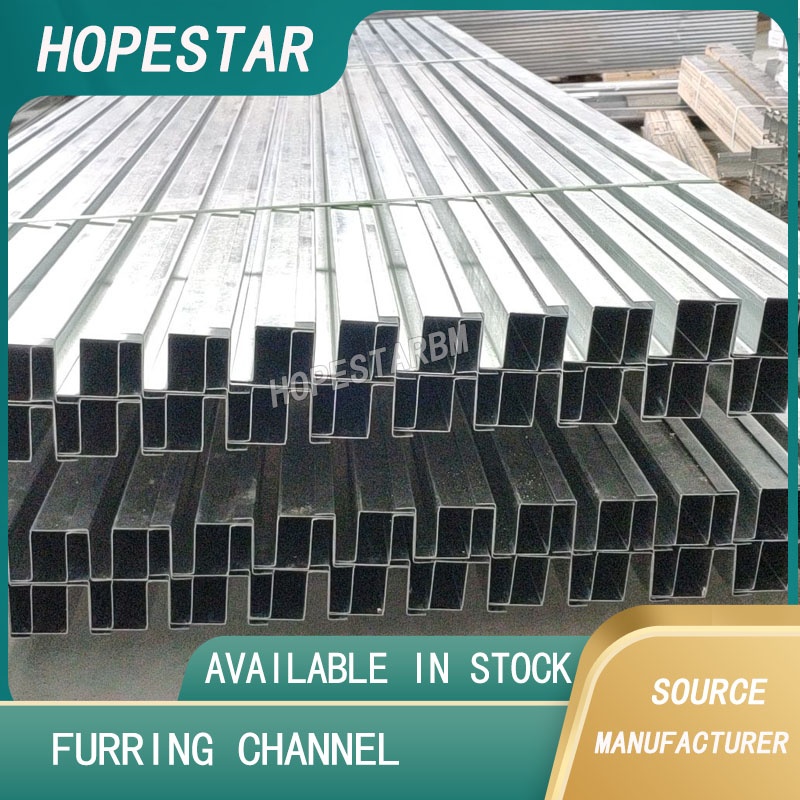
The standard length of metal furring is an important consideration in modern ceiling and wall framing systems. Metal furring channels are widely used in residential, commercial, and industrial construction to create stable, level, and durable frameworks for ceilings and partitions. Understanding the standard length of metal furring helps contractors, designers, and suppliers improve material planning, reduce waste, and ensure efficient installation.
Metal furring channels are typically manufactured in standardized lengths to suit common building dimensions and construction practices. The most common standard length of metal furring is 3.0 meters, which is widely used in many international markets. This length allows for easy handling on site while covering a sufficient span to reduce the number of joints required during installation. In some regions, metal furring is also produced in lengths such as 2.4 meters, 3.6 meters, or 4.0 meters to meet local building standards and project requirements.
Choosing the correct standard length of metal furring has a direct impact on installation efficiency. Longer lengths can reduce the number of connections and fixing points, resulting in a cleaner and stronger ceiling or wall system. At the same time, standardized lengths make transportation and storage more convenient, as they fit well into trucks, containers, and storage racks without excessive cutting or modification.
In ceiling framing systems, the standard length of metal furring is designed to work efficiently with typical room sizes and structural layouts. Metal furring channels are installed in parallel or grid patterns, and having consistent lengths helps maintain uniform spacing and alignment. This is essential for achieving flat ceiling surfaces and preventing issues such as sagging or uneven board joints.
For wall applications, metal furring with a standard length provides flexibility in creating partition walls and lining systems. It can be easily cut to suit different wall heights or used in full lengths where possible to improve structural stability. Using standard-length metal furring also simplifies coordination with other framing components, such as studs, tracks, and accessories.
Another advantage of standardized metal furring lengths is quality control. Manufacturers produce metal furring channels with precise dimensions and consistent thickness, ensuring predictable performance on site. This consistency supports compliance with building codes and helps maintain reliable structural and fire performance in finished systems.
In addition, standard length metal furring supports cost efficiency. By minimizing cutting waste and reducing labor time, builders can better control project budgets. Suppliers and distributors also benefit from standardized products, as they simplify inventory management and improve supply chain efficiency.
Metal furring channels are usually made from galvanized steel, offering excellent resistance to corrosion and long-term durability. Combined with standard length options, this makes metal furring a dependable solution for a wide range of indoor construction environments.
In conclusion, understanding the standard length of metal furring is essential for efficient and high-quality construction. Standardized lengths improve installation speed, reduce waste, and ensure consistent structural performance. As metal framing systems continue to gain popularity, standard length metal furring will remain a key factor in modern ceiling and wall construction projects.
Wall Metal Furring: A Practical Solution for Modern Wall Systems
28mm Furring Channel: A Practical Solution for Modern Ceiling and Wall Systems
Related Article