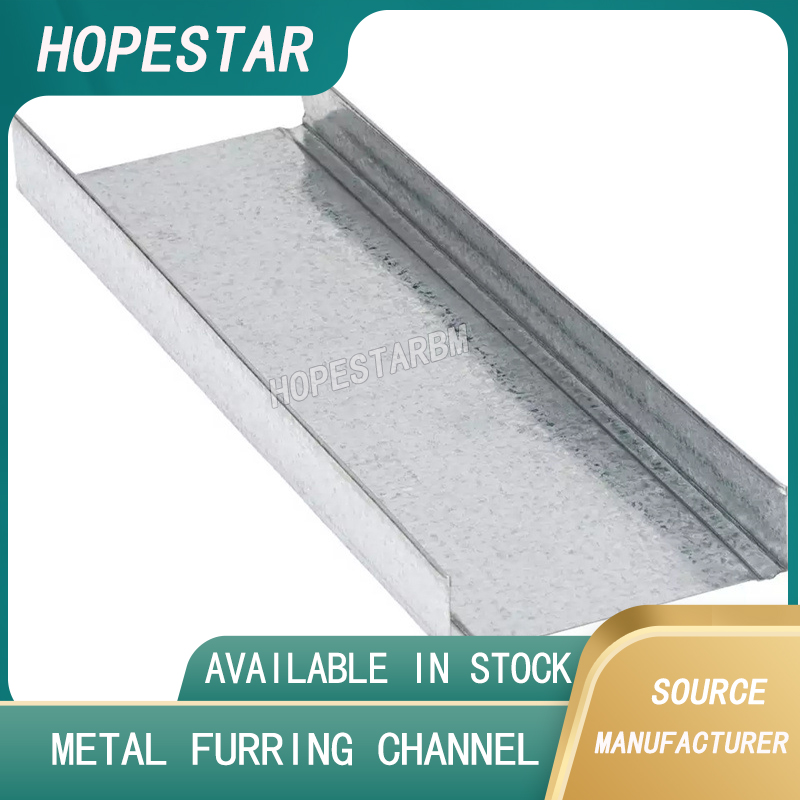
Ceiling Framing Using Metal Furring: A Reliable Solution for Modern Construction
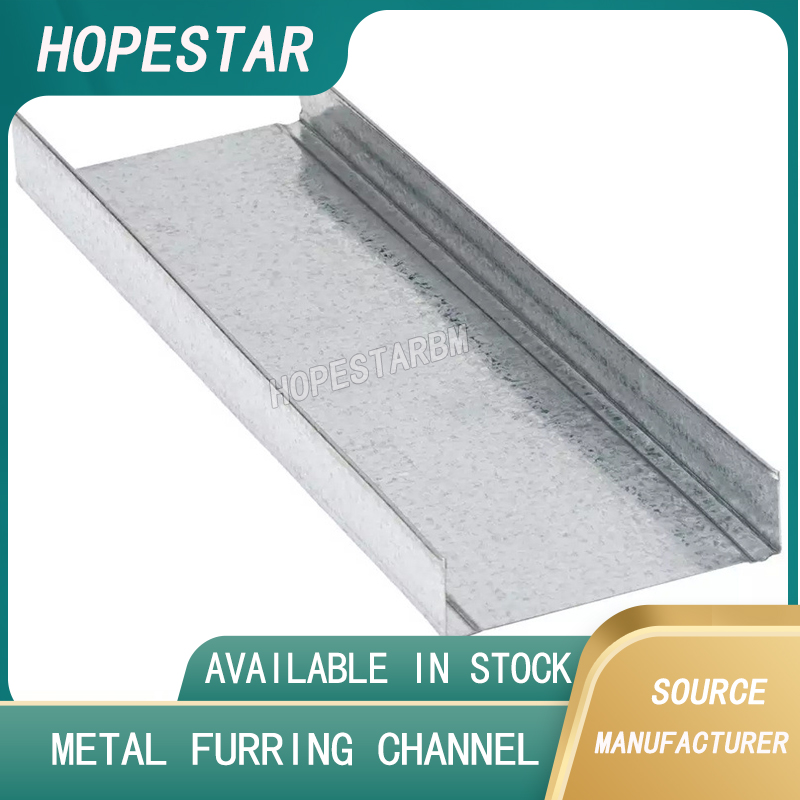
Ceiling framing using metal furring has become a widely adopted solution in modern residential, commercial, and industrial buildings. Compared with traditional wood framing, metal furring systems offer better durability, consistency, and long-term performance. As construction standards continue to rise, metal furring is increasingly recognized as an efficient and reliable method for creating strong, level, and high-quality ceiling structures.
Metal furring refers to lightweight galvanized steel channels installed beneath structural slabs, beams, or roof systems to support ceiling finishes such as gypsum boards, fiber cement boards, or acoustic panels. In ceiling framing, metal furring channels are typically arranged in a grid or parallel layout, providing a stable base that ensures even load distribution and accurate alignment. This structure helps prevent sagging, cracking, and uneven surfaces over time.
One of the main advantages of ceiling framing using metal furring is its superior strength-to-weight ratio. Metal furring channels are strong enough to support ceiling boards and fixtures while remaining lightweight, which reduces the overall load on the building structure. This makes metal furring especially suitable for high-rise buildings, large commercial spaces, and renovation projects where weight control is critical.
Durability is another key benefit of metal furring ceiling systems. Manufactured from galvanized steel, metal furring offers excellent resistance to corrosion, moisture, and pests. Unlike timber, it does not warp, shrink, or rot due to humidity or temperature changes. This stability ensures that ceiling framing using metal furring maintains its shape and performance throughout the building’s service life, even in challenging environments.
From an installation perspective, ceiling framing using metal furring is highly efficient. Metal furring channels are produced with precise dimensions, allowing for faster and more accurate installation. They can be easily cut, fixed, and adjusted on site using standard tools and self-drilling screws. This efficiency helps reduce labor time, minimize material waste, and improve overall construction productivity.
Metal furring also contributes to improved fire and acoustic performance. Steel is a non-combustible material, which enhances fire safety when used in ceiling framing systems. In addition, metal furring creates cavities that can accommodate insulation materials, electrical wiring, and HVAC components. This design flexibility supports better sound insulation and thermal performance, meeting modern building regulations and comfort requirements.
Ceiling framing using metal furring is widely used in offices, shopping centers, hotels, hospitals, and residential apartments. It is compatible with various ceiling designs, including suspended ceilings, concealed ceilings, and decorative ceiling systems. This versatility allows architects and contractors to achieve both functional and aesthetic goals without compromising structural integrity.
In conclusion, ceiling framing using metal furring is a practical and future-proof solution for modern construction. With its strength, durability, ease of installation, and compliance with safety standards, metal furring provides a dependable framework for high-quality ceiling systems. As demand for efficient and long-lasting building solutions grows, ceiling framing using metal furring will continue to play a vital role in contemporary construction projects.
28mm Furring Channel: A Practical Solution for Modern Ceiling and Wall Systems
Nogging Track: Essential Component in Modern Steel Framing Systems
Related Article