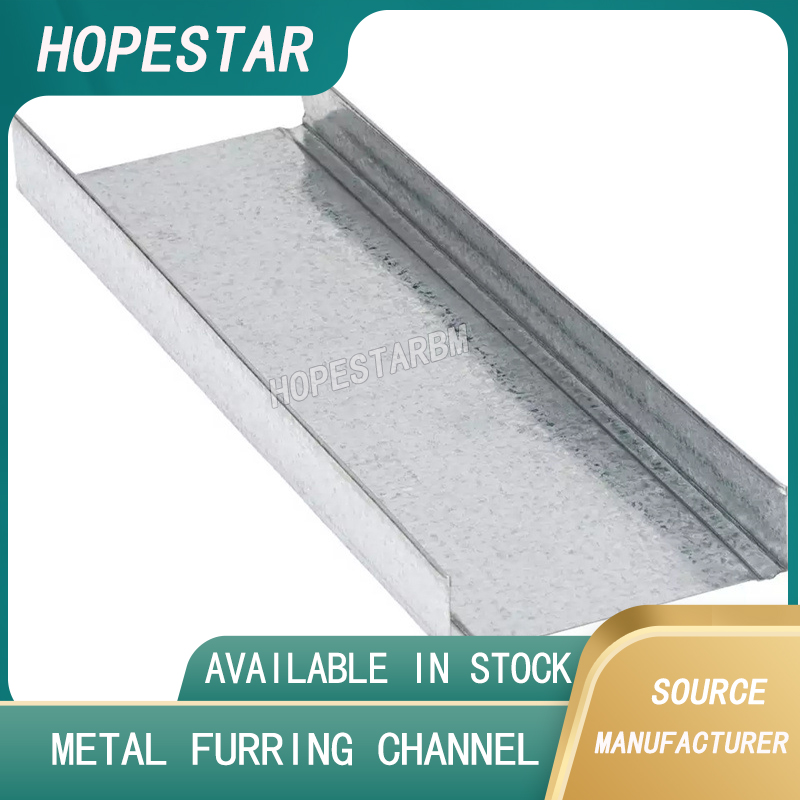
Nogging Track: Essential Component in Modern Steel Framing Systems
Nogging track is a key structural component used in light gauge steel framing systems, especially in drywall partition walls and ceiling constructions. As an important support element, nogging track helps improve wall stability, alignment, and overall structural performance. With the growing use of steel framing in residential, commercial, and industrial buildings, nogging track has become an essential product in modern construction projects.
In steel stud wall systems, nogging track is typically installed horizontally between vertical studs. Its primary function is to provide lateral support, reducing stud twisting and enhancing the rigidity of the wall frame. By connecting studs at mid-height or designated intervals, nogging track ensures better load distribution and improves the wall’s resistance to impact and vibration.
One of the main advantages of using nogging track is its contribution to accurate and consistent framing. When studs are aligned with the help of nogging track, the wall surface becomes flatter and more uniform. This is particularly important for drywall installation, as it helps prevent board deflection, cracking, and uneven finishes. As a result, builders can achieve higher-quality wall surfaces with less rework.
Nogging track is commonly manufactured from galvanized steel, which provides excellent corrosion resistance and long-term durability. This makes it suitable for both interior and semi-exposed applications. In regions with high humidity or varying temperatures, galvanized nogging track helps maintain structural integrity and extends the service life of the wall system.
Another important benefit of nogging track is its flexibility in design and installation. It can be easily cut to length and fixed using self-drilling screws, allowing installers to adapt to different wall heights and layouts. Nogging track is compatible with various steel stud sizes, making it a versatile solution for different framing requirements in residential apartments, offices, hotels, and commercial buildings.
From a safety perspective, nogging track also plays a role in meeting building standards and performance requirements. By reinforcing stud walls, it helps improve fire resistance, acoustic performance, and overall structural reliability. This makes nogging track an important component in projects where quality and compliance are critical.
In conclusion, nogging track is an essential element in modern steel framing systems. By enhancing stability, improving wall alignment, and supporting long-term durability, nogging track contributes significantly to efficient construction and high-quality building results. As demand for lightweight and reliable building solutions continues to grow, nogging track will remain a vital component in steel framing applications.
Ceiling Framing Using Metal Furring: A Reliable Solution for Modern Construction
What Is a Wall Furring Channel?
Related Article