What Is Ceiling Steel? A Clear Explanation
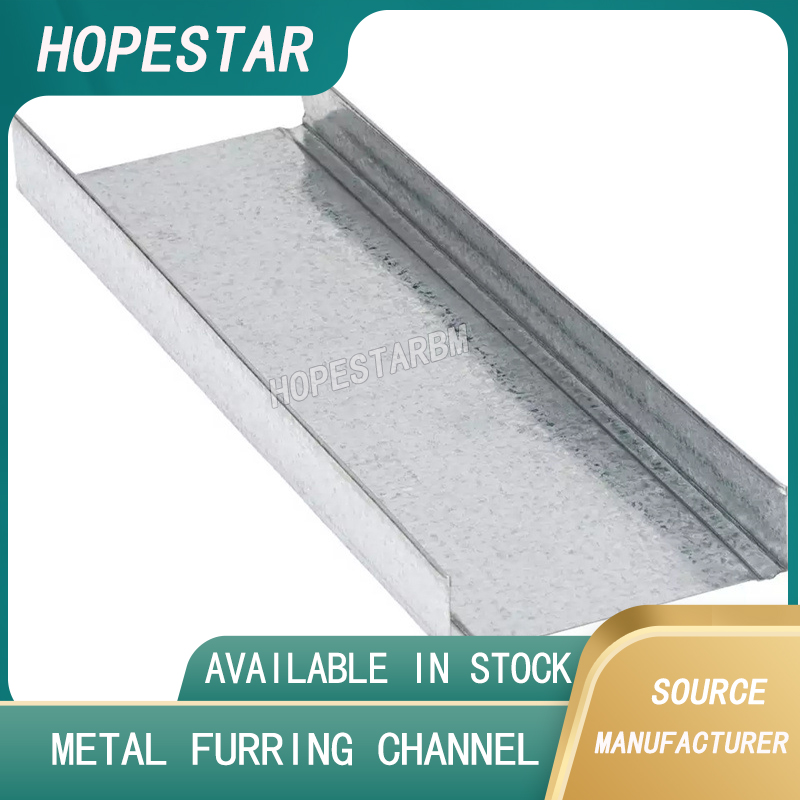
Ceiling steel refers to a metal framing system used to support ceiling structures, especially suspended or false ceilings. It is commonly made from cold-formed galvanized steel and is designed to provide a strong, stable framework for fixing ceiling panels such as gypsum board, mineral fiber board, PVC panels, or metal ceiling tiles. Ceiling steel is widely used in residential, commercial, and industrial buildings due to its durability, precision, and ease of installation.
Ceiling steel typically includes several key components, such as main runners (main channels), furring channels (secondary channels), cross tees, and perimeter angles. These parts work together to form a complete ceiling support system. The main runners carry the primary load, while furring channels or cross tees distribute the weight evenly and create a flat surface for ceiling boards. Perimeter angles are installed along the wall edges to support and align the ceiling panels.
One of the main reasons ceiling steel is preferred over traditional wood framing is its dimensional stability. Galvanized steel does not warp, crack, shrink, or rot over time. It is also resistant to moisture, insects, and corrosion, making ceiling steel ideal for environments such as kitchens, bathrooms, basements, offices, and commercial spaces where long-term performance is required.
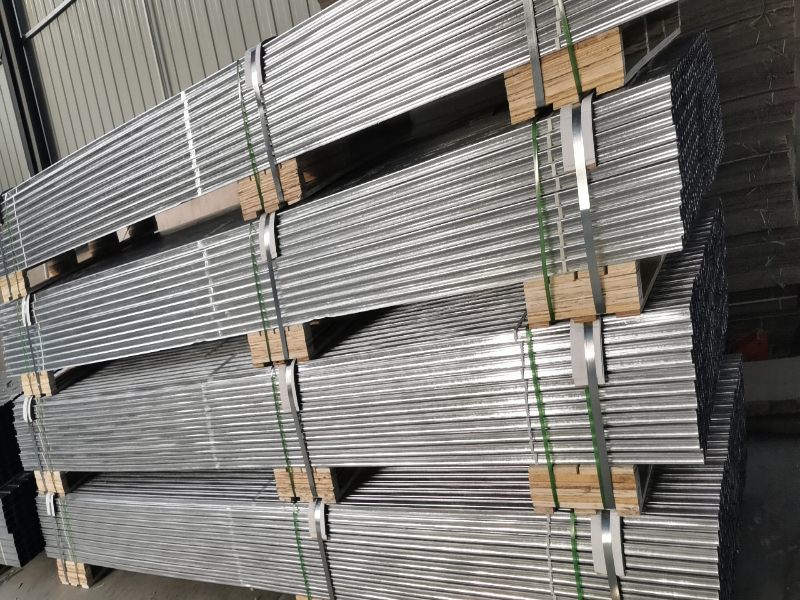
Ceiling steel systems are available in various sizes and thicknesses to suit different ceiling designs and load requirements. Common thicknesses range from 0.6 mm to 1.2 mm, with heavier gauges used for large-span or heavy-duty ceilings. Standard lengths are usually 3 m or 4 m, allowing for efficient installation and minimal material waste.
Installation of ceiling steel is fast and efficient. The lightweight profiles are easy to cut, handle, and fix using screws or suspension hangers. Because the system is standardized, it ensures accurate alignment and consistent quality across the entire ceiling. This helps reduce labor costs and shortens construction time.
From a safety perspective, ceiling steel offers excellent fire resistance, as steel is non-combustible. It also supports sustainable construction practices because steel is 100% recyclable, making ceiling steel an environmentally responsible choice.
In summary, ceiling steel is a reliable and widely used solution for modern ceiling construction. With its strength, durability, fire resistance, and installation efficiency, ceiling steel plays a critical role in creating smooth, stable, and long-lasting ceiling systems in today’s buildings.
What Is a Wall Furring Channel?
Metal Stud and Metal Track: Essential Components of Modern Framing Systems
Related Article