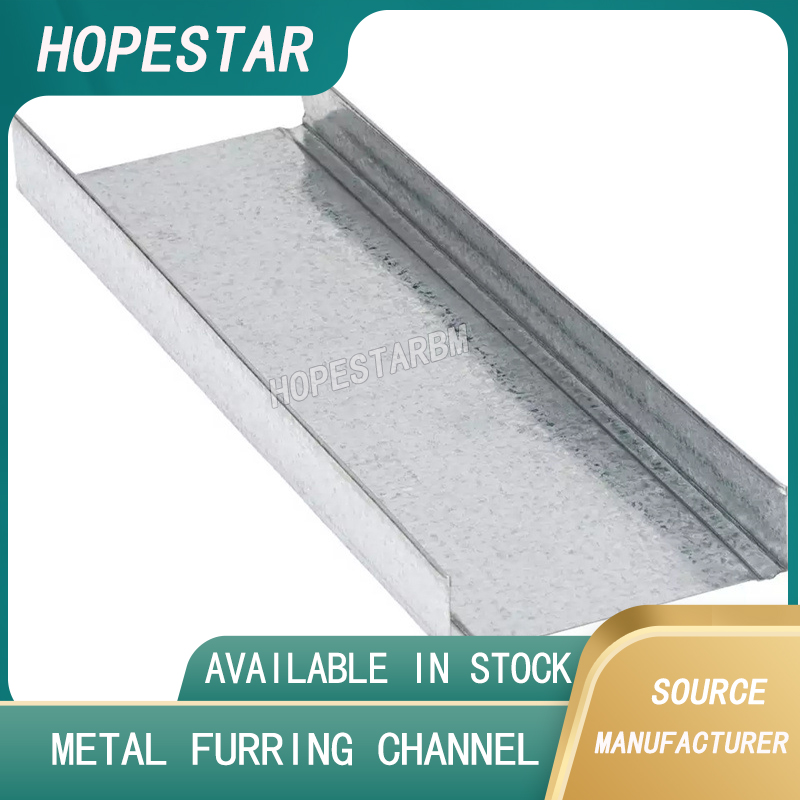
Metal Stud and Metal Track: Essential Components of Modern Framing Systems
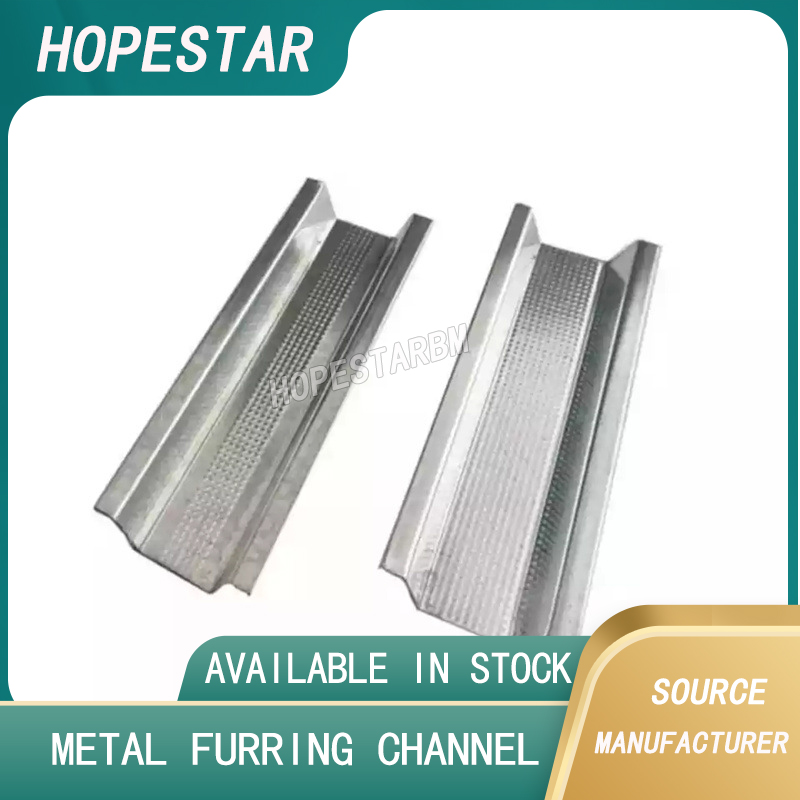
Metal stud and metal track are fundamental elements in modern construction, widely used for interior partition walls and ceiling framing systems. Together, they form a complete and reliable steel framing solution that replaces traditional wood structures in residential, commercial, and industrial buildings. Due to their strength, precision, and durability, metal stud and metal track systems have become a standard choice in today’s construction industry.
Metal studs are vertical framing members made from cold-formed galvanized steel. They are designed to fit securely inside metal tracks, which are horizontal channels installed at the floor and ceiling to guide and support the studs. This combination creates a stable framework for non-load-bearing walls, shaft walls, and various interior assemblies. Compared with wood framing, metal stud and metal track systems offer greater consistency in size and performance, ensuring straight walls and smooth finishes.
One of the main advantages of metal stud and metal track is their resistance to common problems found in wood structures. Galvanized steel does not warp, crack, rot, or attract insects, making it ideal for long-term use. In environments with high humidity, temperature changes, or strict fire safety requirements, metal stud and metal track systems maintain their structural integrity far better than traditional materials.
Metal stud and metal track are available in a wide range of sizes and thicknesses to meet different project requirements. Common stud widths include 50 mm, 75 mm, and 100 mm, while standard lengths usually range from 3 to 4 meters. Thickness options typically vary from 0.5 mm to 1.0 mm, allowing contractors to select lighter gauges for standard partitions or heavier gauges for taller walls and higher performance demands. Metal tracks are matched to the stud size to ensure proper alignment and stability.
Installation efficiency is another key benefit of using metal stud and metal track systems. The lightweight steel profiles are easy to transport, cut, and assemble on site, which significantly reduces labor time. Pre-punched holes in metal studs allow for quick installation of electrical wiring and plumbing, improving workflow and minimizing the need for additional drilling. The standardized design also helps reduce material waste and ensures consistent construction quality.
From a performance standpoint, metal stud and metal track systems contribute to improved fire resistance and acoustic performance. Steel is non-combustible, helping buildings meet fire safety standards more easily. When combined with insulation materials and double-layer gypsum boards, metal stud walls can achieve excellent sound insulation, making them suitable for offices, hotels, hospitals, and residential buildings.
Sustainability is another important advantage of metal stud and metal track framing. Steel is fully recyclable, supporting environmentally responsible construction practices and green building certifications. Its long service life and low maintenance requirements further reduce the environmental impact over time.
In conclusion, metal stud and metal track systems play a crucial role in modern interior construction. Their durability, dimensional accuracy, ease of installation, and compatibility with various wall and ceiling materials make them a cost-effective and reliable framing solution. As construction standards continue to evolve, metal stud and metal track framing will remain an essential choice for efficient, safe, and sustainable building projects.
What Is Ceiling Steel? A Clear Explanation
1/2 Metal Furring Channel: A Reliable Solution for Modern Ceiling and Wall Systems
Related Article