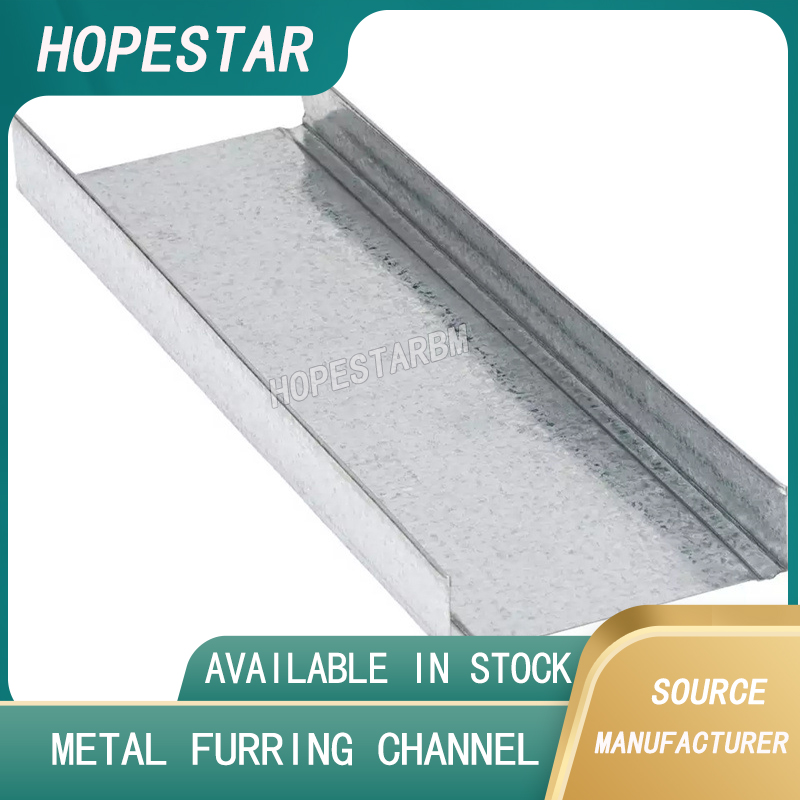
Metal Stud: A Complete Guide to Modern Framing Systems
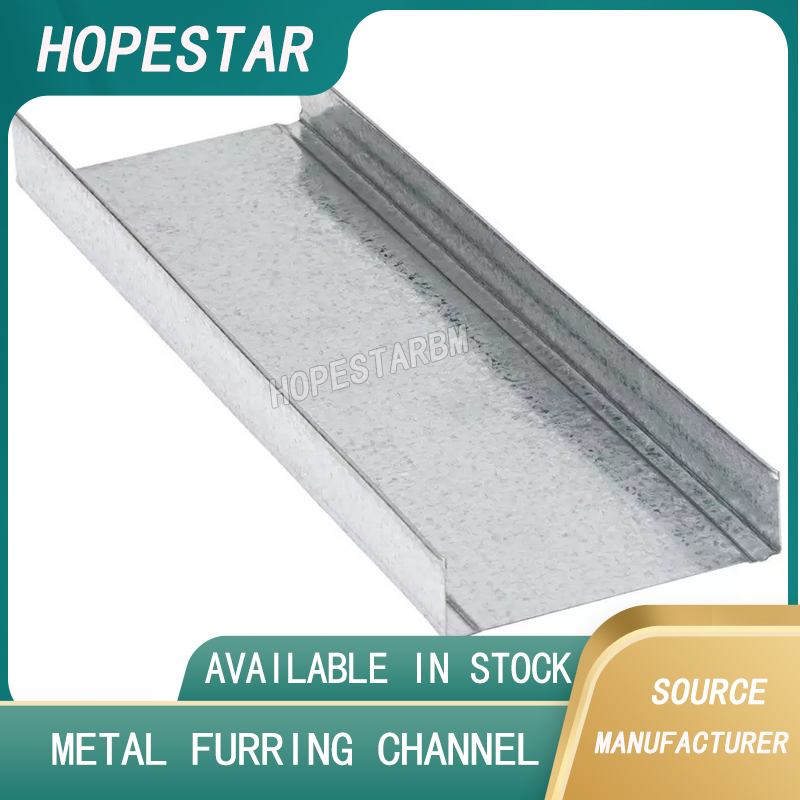
Metal stud is a core component in modern construction, widely used for interior partition walls and ceiling framing systems. As a lightweight yet strong alternative to traditional wood studs, metal stud framing has become increasingly popular in residential, commercial, and industrial buildings. With its durability, consistency, and ease of installation, metal stud offers clear advantages for today’s fast-paced construction projects.
Metal stud is typically manufactured from cold-formed galvanized steel, which provides excellent resistance to corrosion, moisture, and insects. Unlike wood, metal studs do not warp, crack, or shrink over time, ensuring long-term structural stability. This makes metal stud framing especially suitable for environments with high humidity, temperature variations, or strict fire safety requirements.
One of the key benefits of using metal stud is its versatility. Metal studs are commonly used in non-load-bearing partition walls, shaft walls, and suspended ceiling systems. They are compatible with a wide range of finishing materials, including gypsum board, cement board, calcium silicate board, and acoustic panels. This flexibility allows designers and contractors to meet various performance requirements such as sound insulation, fire resistance, and impact resistance.
Metal stud systems are available in a variety of sizes and thicknesses to suit different applications. Common stud widths include 50 mm, 75 mm, and 100 mm, while standard lengths typically range from 3 meters to 4 meters. Thickness options usually vary from 0.5 mm to 1.0 mm, with heavier gauges selected for taller walls or higher performance demands. Matching metal tracks are used at the top and bottom to create a stable and precise framing structure.
Installation efficiency is another major reason metal stud is favored in modern construction. Metal studs are lightweight and easy to cut, allowing for faster handling and assembly on site. Pre-punched service holes make it convenient to run electrical wiring and plumbing, reducing labor time and improving overall project efficiency. In addition, the standardized dimensions of metal studs ensure consistent quality and minimize material waste.
From a safety and sustainability perspective, metal stud framing offers significant advantages. Steel is non-combustible, helping to improve fire performance in buildings. It is also recyclable, making metal stud an environmentally responsible choice that supports green building practices. These characteristics have contributed to the growing use of metal studs in commercial offices, hospitals, schools, hotels, and large-scale residential projects.
In conclusion, metal stud has become an essential material in modern construction due to its strength, durability, and adaptability. Whether used for partition walls, ceiling systems, or specialized architectural applications, metal stud provides a reliable and cost-effective framing solution. As building standards continue to evolve, metal stud framing is expected to play an even more important role in creating safe, efficient, and sustainable structures.
1/2 Metal Furring Channel: A Reliable Solution for Modern Ceiling and Wall Systems
What Is Light Steel Keel? An Analysis of Common Specifications and Sizes
Related Article