Ceiling Using Metal Furring: A Durable and Efficient Solution
When it comes to modern construction and interior finishing, ceilings play a crucial role not only in aesthetics but also in functionality. One increasingly popular method for ceiling installation is the use of metal furring. Metal furring offers a durable, lightweight, and cost-effective framework for ceilings, providing a reliable base for various ceiling materials such as drywall, plasterboard, or acoustic tiles.
What Is Metal Furring?
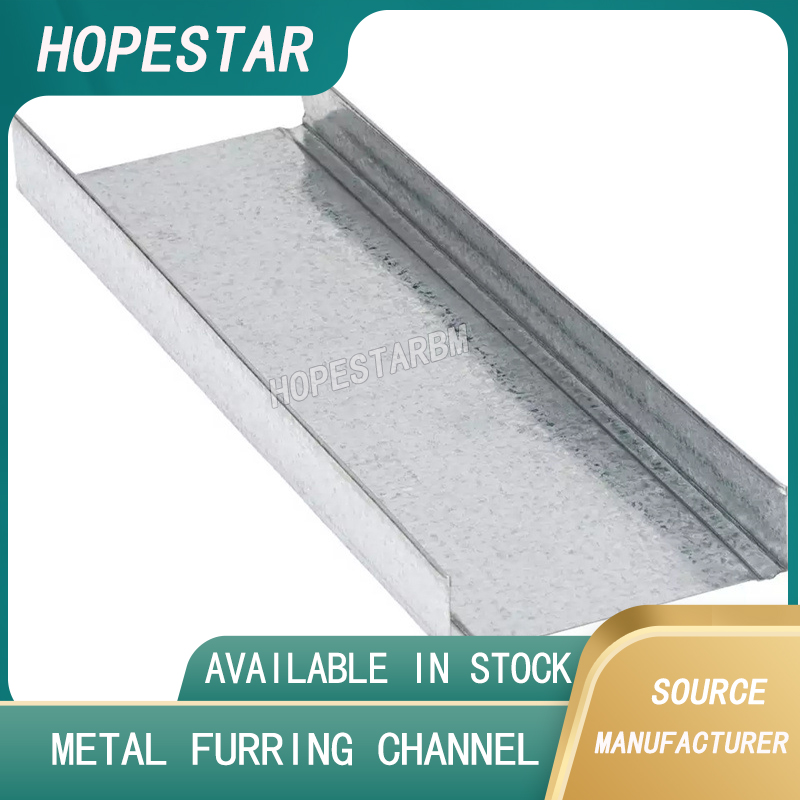
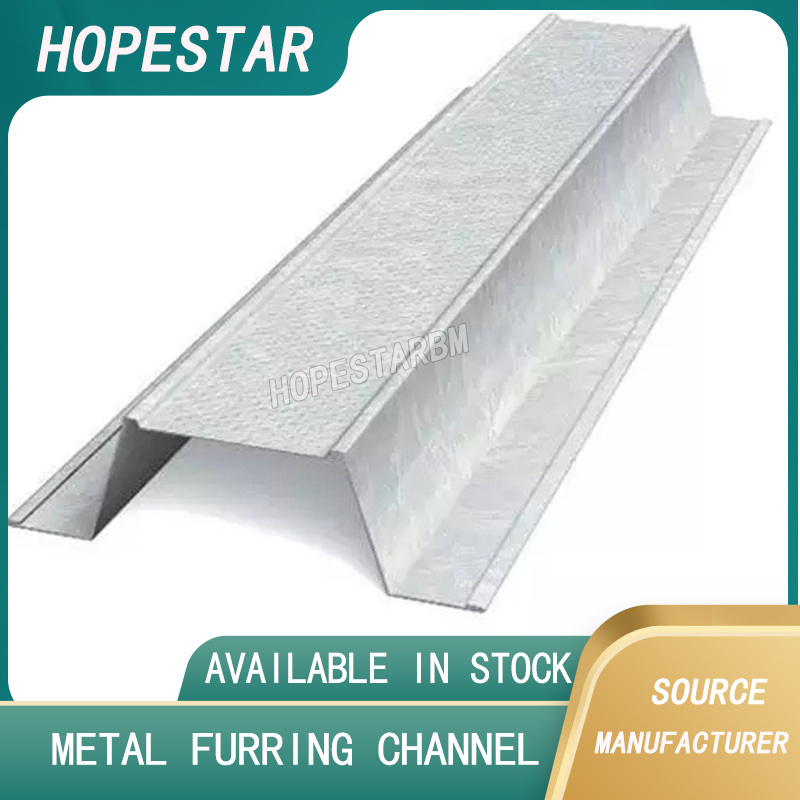
Metal furring refers to thin strips or channels made from galvanized steel or aluminum. These strips are installed perpendicular to the main structural supports and create a level surface for attaching ceiling panels. Unlike traditional wood furring strips, metal furring resists warping, rotting, and pest damage, making it an ideal choice for both commercial and residential buildings.
Advantages of Using Metal Furring for Ceilings
-
Durability and Stability
Metal furring is highly resistant to moisture, mold, and termites. This durability ensures that the ceiling remains stable over time without sagging or distortion, even in humid environments. -
Fire Resistance
Galvanized steel metal furring provides excellent fire resistance compared to wood framing. This enhances building safety and can help meet fire code regulations. -
Lightweight and Easy to Install
Metal furring is lightweight, which simplifies handling and installation. It can be quickly fixed using screws or specialized clips, speeding up the ceiling construction process and reducing labor costs. -
Precision and Leveling
Metal furring channels are manufactured to precise dimensions, which allows for easier leveling of the ceiling surface. This precision helps create a smooth and flat ceiling finish, essential for drywall or other panel systems. -
Compatibility with Various Ceiling Types
Metal furring can be used to support a wide range of ceiling materials, including gypsum boards, fiber cement boards, acoustic panels, and even decorative ceiling tiles. This versatility makes metal furring a popular choice in diverse architectural styles.
Applications of Metal Furring Ceilings
Metal furring is commonly used in commercial buildings such as offices, retail spaces, and hospitals due to its robustness and compliance with safety standards. In residential construction, it is often chosen for basements, kitchens, and bathrooms where moisture resistance is essential. Additionally, metal furring supports suspended ceilings and drop ceilings, providing flexibility in design and installation.
Installation Tips for Metal Furring Ceilings
-
Ensure proper spacing of metal furring channels, typically 16 to 24 inches apart, depending on the ceiling panel specifications.
-
Use galvanized or coated metal furring strips to prevent corrosion.
-
Secure the furring strips firmly to the structural frame using screws or fasteners designed for metal.
-
Check for level and alignment frequently during installation to achieve a flawless finish.
Conclusion
Ceiling installation using metal furring is a smart choice for builders and homeowners seeking a long-lasting, fire-resistant, and easy-to-install framework. Its numerous benefits, including durability, moisture resistance, and compatibility with various ceiling materials, make metal furring a superior option compared to traditional wood furring. Whether for new construction or renovation projects, metal furring ceilings offer a reliable foundation for beautiful and functional interiors.
What Is Light Steel Keel? An Analysis of Common Specifications and Sizes
Aluminum Hat Channel: Lightweight, Durable Support for Modern Construction
Related Article