Metal Furring Sizes for Ceiling: Choosing the Right Dimensions for Optimal Performance
In ceiling construction, metal furring is a vital component that provides a stable framework for attaching ceiling panels such as drywall, plasterboard, or acoustic tiles. Selecting the correct metal furring sizes for ceiling installation is essential to ensure structural integrity, ease of installation, and a smooth, level finish.
What Are Metal Furring Strips?
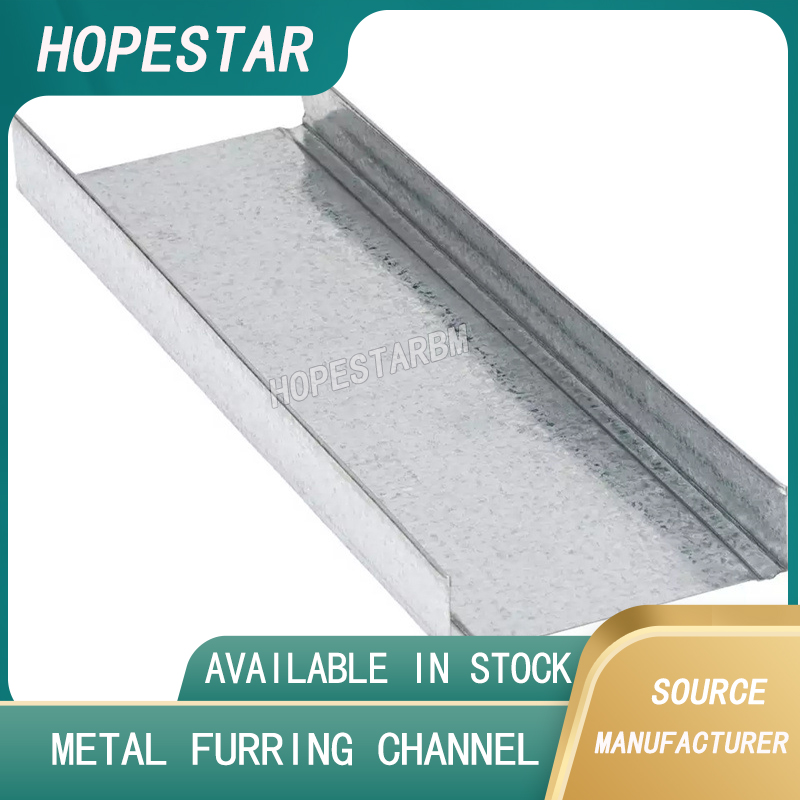
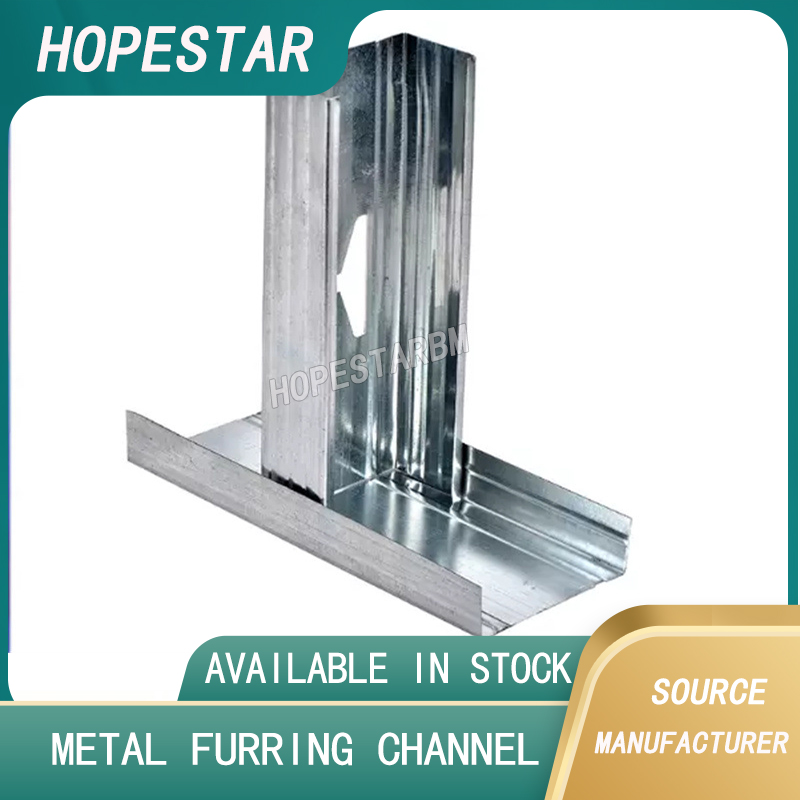
Metal furring strips are thin, lightweight metal channels or strips, typically made from galvanized steel or aluminum. They are installed perpendicular to the main structural supports, creating a level surface to which ceiling materials are fastened. Their durability, resistance to moisture, and fire-retardant properties make metal furring a popular choice over traditional wood furring strips.
Common Metal Furring Sizes for Ceiling
Metal furring sizes vary depending on the manufacturer, application, and local building codes. However, some standard sizes are widely used in ceiling construction:
-
Width: Typically ranges from ¾ inch (19 mm) to 1 5/8 inches (41 mm). The width determines how much surface area is available for attaching ceiling materials.
-
Depth (Thickness): Usually between 7/8 inch (22 mm) and 1 5/8 inches (41 mm). The depth contributes to the channel’s rigidity and ability to support weight.
-
Length: Metal furring strips come in lengths from 8 feet (2.4 meters) up to 12 feet (3.7 meters) or more, allowing flexibility in coverage and reducing the number of joints.
Choosing the Right Size for Your Ceiling
Selecting the proper metal furring size depends on several factors:
-
Ceiling Material Thickness: Thicker ceiling panels may require wider and deeper furring strips for adequate support.
-
Load Requirements: Heavier ceiling finishes or additional fixtures like lighting and HVAC components need sturdier furring channels.
-
Spacing Between Supports: The size and thickness of furring strips influence the maximum spacing between main supports, which usually ranges from 16 to 24 inches (400 to 600 mm) on center.
-
Ceiling Height and Design: Certain ceiling designs, like suspended or drop ceilings, may have specific furring size requirements to accommodate additional framing components.
Benefits of Using Correct Metal Furring Sizes
-
Structural Stability: Properly sized metal furring ensures that the ceiling framework is strong enough to support the materials and resist sagging or deformation.
-
Ease of Installation: Using the right size reduces installation difficulties and the need for additional reinforcement.
-
Fire and Moisture Resistance: Metal furring is resistant to fire and moisture, preventing common issues found with wooden frameworks.
-
Smooth and Level Finish: Accurate sizing helps maintain consistent spacing and alignment, resulting in a flat, aesthetically pleasing ceiling surface.
Installation Tips for Metal Furring Strips
-
Measure and cut furring strips precisely according to ceiling dimensions.
-
Use corrosion-resistant galvanized steel or aluminum strips for longevity.
-
Secure strips firmly to the main structure using appropriate fasteners.
-
Maintain consistent spacing, often 16 or 24 inches apart, to ensure uniform support.
-
Regularly check for level alignment during installation to avoid uneven surfaces.
Conclusion
Understanding and selecting the correct metal furring sizes for ceiling installation is crucial for achieving a durable, safe, and visually appealing ceiling. Whether building new construction or renovating existing spaces, choosing the right width, depth, and length of metal furring strips can significantly improve the overall performance and longevity of your ceiling system. Consulting local building codes and working with experienced professionals will help ensure your ceiling project’s success.
Aluminum Hat Channel: Lightweight, Durable Support for Modern Construction
Hat Track Ceiling Advantages: A Reliable Framing Solution for Modern Ceilings
Related Article