
Hat Channel Metal Furring: Structural Support and Versatility in Modern Construction
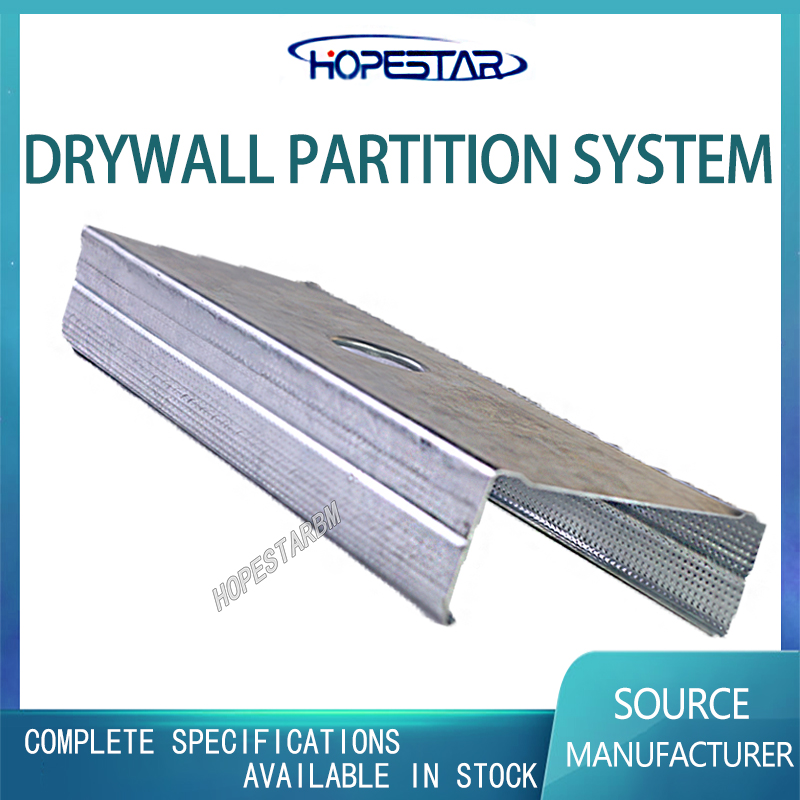
Hat channel metal furring is a critical framing component used to create stable, level surfaces in wall and ceiling assemblies. Named for its distinctive hat-shaped profile, this metal furring channel provides reliable support for drywall, plasterboard, and other finishing materials. Due to its strength, lightweight design, and ease of installation, hat channel metal furring is widely applied in residential, commercial, and industrial building projects.
Understanding Hat Channel Metal Furring
Hat channel metal furring is typically roll-formed from galvanized steel and features a raised center web with two flanges on each side. This structure enhances load distribution and rigidity while maintaining a slim profile. The design allows the channel to be fastened directly to concrete, masonry, wood studs, or steel framing, creating a consistent surface for finishing panels.
Common Specifications and Profiles
While exact dimensions vary by region and manufacturer, hat channel metal furring is commonly available in standard widths ranging from 25 mm to 50 mm, with heights between 7 mm and 25 mm. Standard lengths usually include 2.4 m, 3.0 m, and 3.6 m, making the product adaptable to different ceiling heights and wall spans. Thickness options generally fall between 0.4 mm and 0.9 mm, depending on load requirements and building codes.
Key Applications in Construction
Hat channel metal furring is frequently used in:
-
Ceiling suspension systems
-
Wall leveling over uneven substrates
-
Concrete and masonry wall cladding
-
Acoustic and fire-rated assemblies
In ceiling applications, the channel creates a floating framework that helps reduce vibration and improves sound control. On walls, it provides a uniform plane, allowing drywall panels to be installed smoothly without direct contact with rough surfaces.
Material Quality and Corrosion Protection
Most hat channel metal furring products are manufactured using hot-dip galvanized steel, offering excellent resistance to moisture and corrosion. This makes them suitable for humid environments such as basements, parking structures, and commercial kitchens. Some products also feature zinc-aluminum coatings for enhanced durability in demanding conditions.
Advantages Over Traditional Wood Furring
Compared to wood battens, hat channel metal furring delivers superior dimensional stability. It does not warp, crack, or shrink over time, ensuring consistent performance throughout the building’s lifespan. Metal channels are also non-combustible, contributing to improved fire safety and compliance with modern construction standards.
Installation Efficiency and Compatibility
Hat channel metal furring is lightweight and easy to cut, allowing for fast installation and reduced labor costs. It is compatible with a wide range of drywall screws, anchors, and clips, making it suitable for both new construction and renovation projects. Proper spacing and alignment ensure optimal load-bearing capacity and finish quality.
Sustainability and Long-Term Performance
Steel-based hat channel metal furring is recyclable, supporting environmentally responsible building practices. Its long service life and low maintenance requirements further enhance sustainability by reducing material replacement and waste.
Conclusion
Hat channel metal furring is a reliable and adaptable solution for creating smooth, durable wall and ceiling systems. With strong structural performance, corrosion resistance, and installation efficiency, it remains an essential component in modern construction. Choosing high-quality hat channel metal furring ensures better finishing results, long-term stability, and compliance with today’s building requirements.
Australia Metal Furring Wall Systems: Strength, Precision, and Long-Term Performance
L Trim Corner Bead: Sizes, Uses, and Benefits in Drywall Finishing
Related Article



