
Metal Furring Size for Ceiling: Complete Guide for Builders and Installers
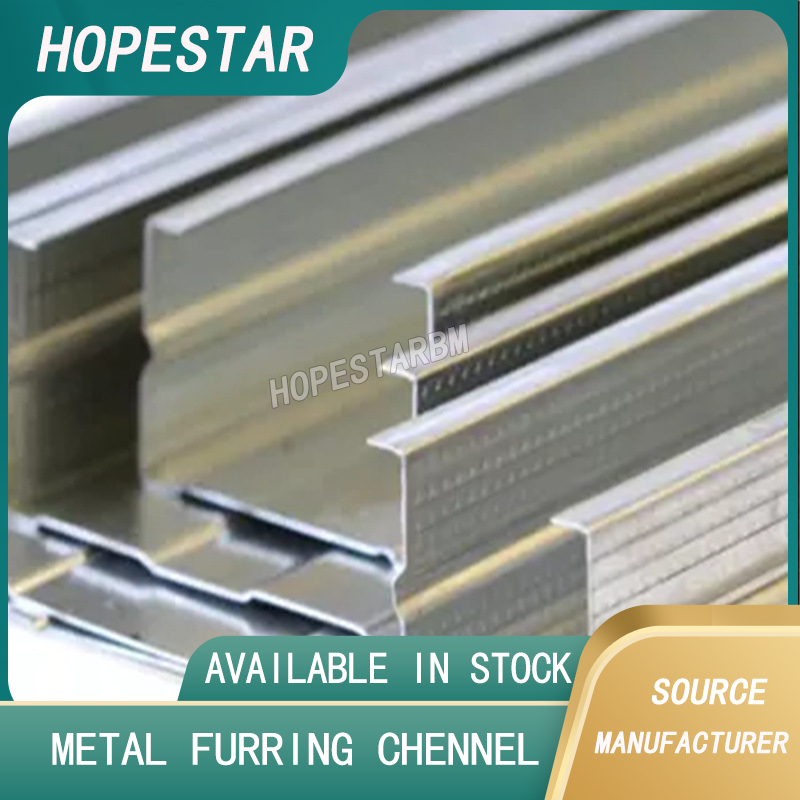
Choosing the right metal furring size for ceiling is essential for achieving a stable, long-lasting, and perfectly leveled ceiling system. Metal furring, commonly made from galvanized steel, provides the structural frame that supports drywall, acoustic panels, and other ceiling materials. Its size directly affects load-bearing capacity, installation efficiency, and overall ceiling performance. This article explains common metal furring sizes, how to select the right profile, and why proper sizing matters in modern construction.
Metal furring channels are typically available in several standard dimensions, depending on regional building practices and ceiling design requirements. The most widely used sizes for ceiling applications include 16mm, 28mm, 38mm, and 45mm heights, with widths usually ranging from 25mm to 35mm. These sizes are designed to balance strength and weight while supporting suspended or direct-fix ceiling systems.
Common Metal Furring Sizes for Ceilings
-
16mm Furring Channel
Ideal for lightweight ceiling applications, low-height spaces, and small rooms. It offers adequate support for single-layer drywall while keeping the ceiling cavity shallow. -
28mm Furring Channel
One of the most popular sizes for residential ceilings. It provides more rigidity than 16mm and performs well in areas requiring a smoother finish and moderate acoustic performance. -
38mm Furring Channel
This size is commonly used in commercial projects, larger spans, or ceilings requiring additional support. It also works well with double-layer drywall systems and improved sound insulation. -
45mm Furring Channel
Suitable for heavy-duty applications, high ceilings, multi-layer boards, or installations requiring extra stiffness. Often used in offices, hospitals, hotels, and industrial buildings.
Why Metal Furring Size Matters
Selecting the correct metal furring size ensures structural stability. Larger profiles resist bending and sagging over long spans, especially when supporting heavy ceiling boards or insulation. The size also determines how much space is available for wiring, ventilation ducts, and acoustic materials inside the ceiling cavity.
Another important factor is acoustic and thermal performance. Taller furring channels provide more room for sound-absorbing materials, making them ideal for theaters, conference halls, and apartments. For fire-rated ceilings, a properly sized channel improves board fixation and overall safety compliance.
Installation efficiency also depends on size. Smaller profiles are lighter and easier to cut, making them suitable for quick residential installations. Larger sizes, though heavier, reduce the number of suspension points required in large commercial ceilings.
Applications of Different Furring Sizes
-
Residential homes: 16mm and 28mm
-
Commercial buildings: 28mm and 38mm
-
Acoustic ceilings: 38mm and 45mm
-
Heavy-duty or multi-layer drywall ceilings: 38mm and 45mm
-
Renovation projects with low ceiling height: 16mm
Omega Channel for Gypsum Board: A Reliable Framing Solution for Modern Ceilings and Walls
Metal Building Hat Channel: Strength, Versatility, and Modern Applications
Related Article



