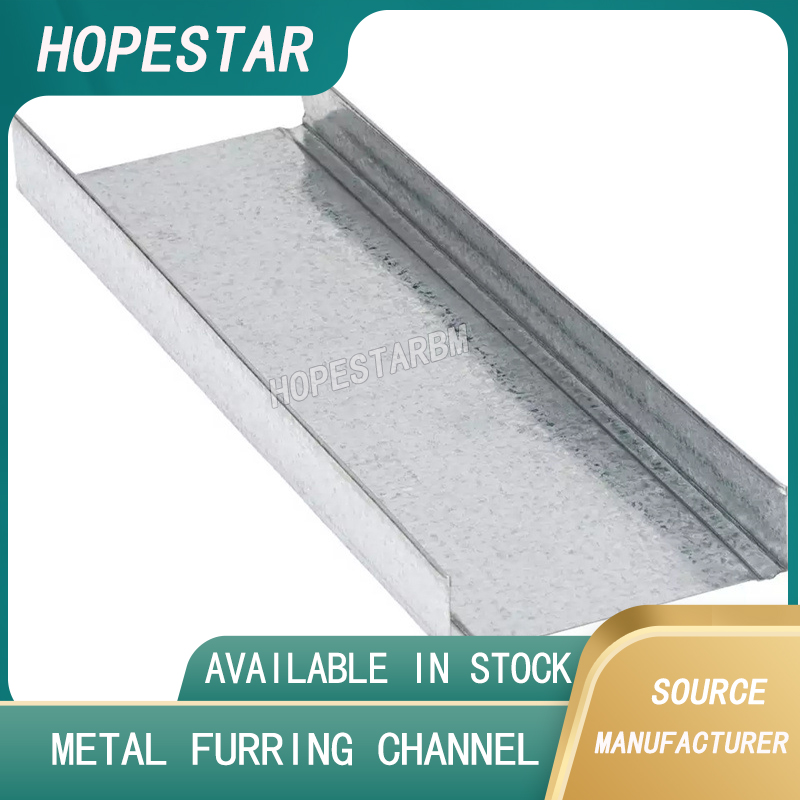
Furring Channel Ceiling System: A Complete Guide for Modern Construction
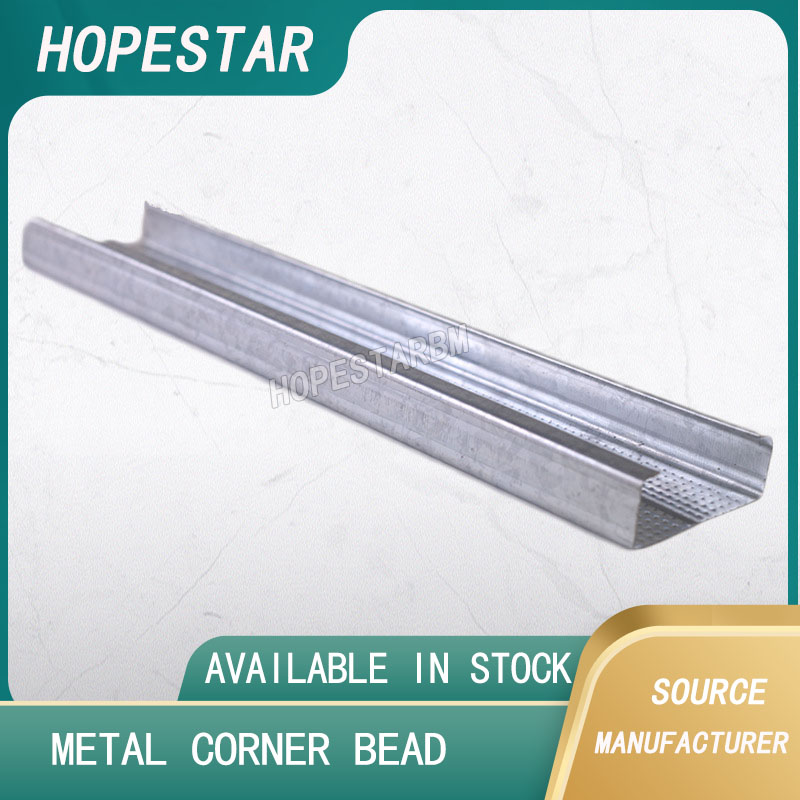
A furring channel ceiling system is one of the most widely used lightweight framing solutions in residential, commercial, and industrial buildings. Known for its stability, smooth finish, and easy installation, this ceiling structure is ideal for plasterboard, drywall, and acoustic panels. As construction projects demand higher efficiency and better long-term performance, furring channels have become a preferred choice for ceiling frameworks. This article explores what the system is, how it works, and why contractors and builders rely on it.
A furring channel ceiling system uses galvanized steel channels arranged in a grid to create a suspended or direct-fix structure beneath the building’s structural slab. These channels are typically made from high-strength galvanized steel, offering excellent resistance to corrosion, moisture, and deformation. Sizes vary depending on region, but common profiles include 16mm, 28mm, and 38mm heights, providing flexibility for different ceiling loads and acoustic design requirements.
How the System Works
The installation usually starts with perimeter tracks fixed around the room. Furring channels are then attached to the structure using suspension rods, clips, or direct-fix brackets. Once the metal grid is aligned and leveled, plasterboard or ceiling panels are screwed onto the channels. This creates a stable, flush, and durable ceiling surface suitable for painting, acoustic treatment, or interior decoration.
Because of its simple and modular design, the system fits well in new builds and renovation projects. It can be used for single-layer or double-layer drywall systems, high ceilings, or areas where additional insulation or wiring needs to be hidden inside the ceiling cavity.
Key Advantages of Furring Channel Ceiling Systems
One major benefit is strength and stability. Galvanized steel channels resist bending or warping over time, ensuring the ceiling remains flat even with long-term use. Second, the system provides excellent acoustic performance when combined with insulation materials, making it popular in offices, apartments, and hotels. Third, furring channel ceilings allow easy integration of lighting fixtures, ducts, and electrical wiring, thanks to the open cavity created by the suspended grid.
Another advantage is fast installation. The lightweight steel components are easy to cut, transport, and assemble, reducing labor time. The system also supports fire-rated and moisture-resistant ceiling boards, improving overall safety and durability in challenging environments.
Applications
Furring channel ceiling systems are widely used in modern construction, including airports, hospitals, schools, commercial centers, apartments, and home renovations. Their versatility makes them suitable for both standard interiors and special acoustic or fire-rated designs.
Conclusion
A furring channel ceiling system offers an efficient, durable, and cost-effective solution for creating high-quality ceilings. With strong structural support, superior acoustic performance, and compatibility with various ceiling materials, it remains a top choice for builders seeking reliability and long-term value.
Metal Building Hat Channel: Strength, Versatility, and Modern Applications
The Four Major Advantages of Galvanized Light Steel Studs
Related Article