What Are the Differences Between Canadian Light Steel Studs and Australian Light Steel Studs?
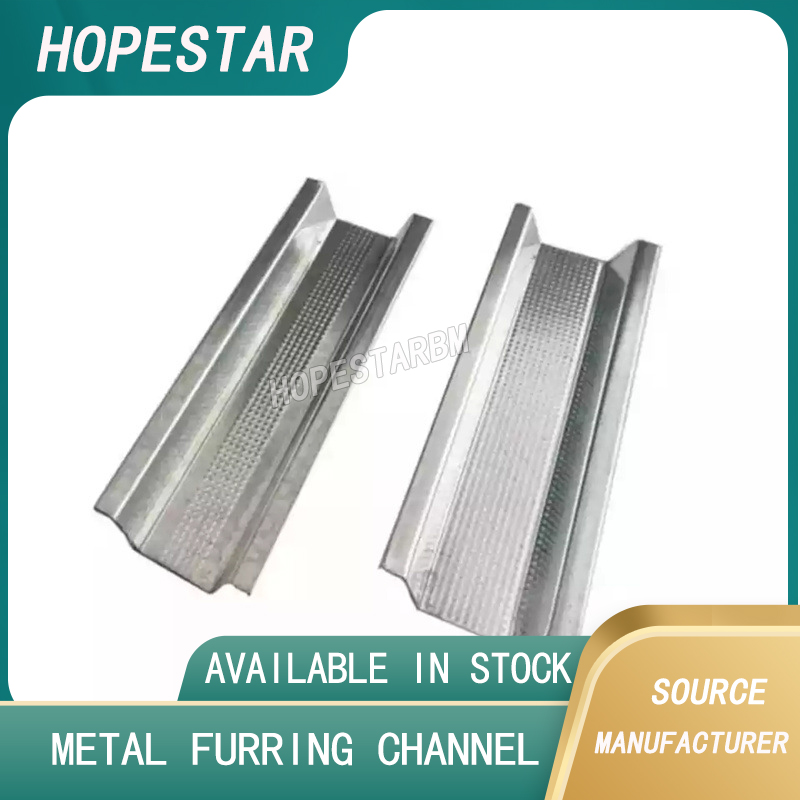
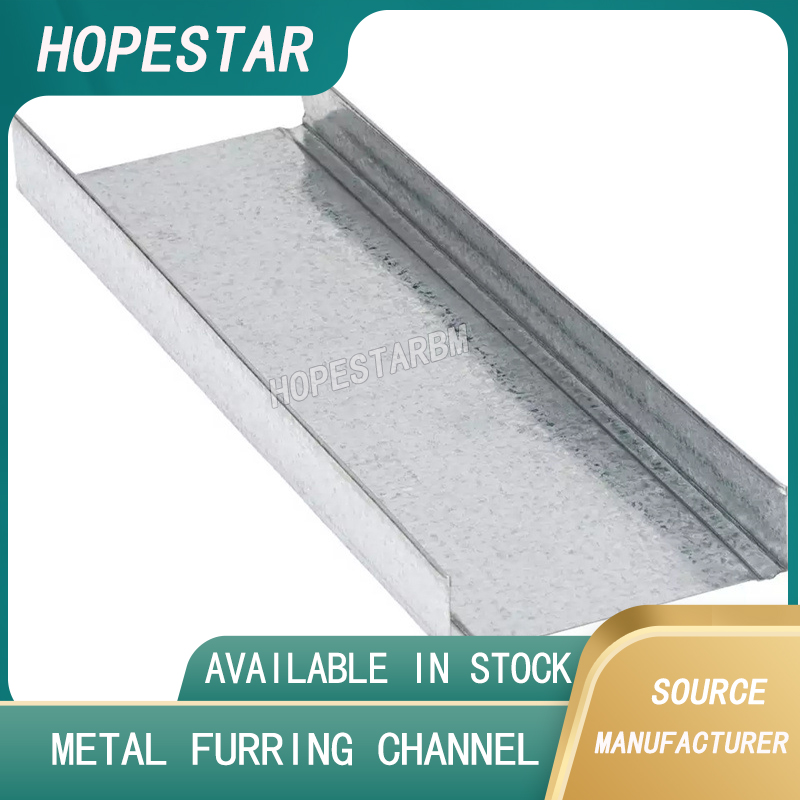
In ceiling and partition systems, both Canadian light steel studs and Australian light steel studs are widely used international framing standards. However, they differ significantly in material selection, size standards, environmental adaptability, and installation characteristics. Understanding these differences helps contractors, exporters, and builders choose the right product and ensure long-term structural stability.
1. Differences in Materials and Galvanizing
Canadian light steel studs are usually made from high-strength galvanized steel strips that emphasize toughness and cold resistance. They maintain strong performance even in extremely low temperatures and are less prone to brittle breakage. The zinc coating tends to be thicker, offering excellent corrosion resistance suitable for cold or humid regions.
Australian light steel studs follow AS/NZS standards and focus on corrosion resistance and stable load-bearing performance. Many products adopt lightweight designs, making them suitable for strong sunlight, coastal environments, and everyday construction needs.
2. Differences in Size Standards
Canadian studs follow North American standards, featuring larger dimensions and thicker steel gauge. This gives them higher overall rigidity, ideal for projects that require strong load-bearing capacity in ceilings and partitions.
Australian studs follow Australian standards, offering a wider variety of dimensions and flexible applications. Their lightweight design facilitates faster installation and matches the efficiency demanded in the Australian market.
3. Differences in Structural Design and Load-Bearing Capacity
Canadian light steel studs focus on high-strength structural performance and are often used in cold regions, warehouses, industrial workshops, and large-span ceilings. They prioritize compression resistance, bending resistance, and overall stability.
Australian studs highlight practical use and cost-effectiveness. Their load-bearing performance is stable and well-suited for residential buildings, offices, shopping areas, and other commonly used spaces.
4. Climate Adaptability
Canadian studs are ideal for extremely cold climates. They maintain structural integrity even in temperatures far below freezing and resist deformation caused by thermal expansion and contraction.
Australian studs perform well in hot, humid, coastal, and UV-intense environments, providing excellent corrosion resistance under strong sunlight and sea air.
5. Application Scenarios and Market Positioning
Canadian light steel studs are often used in large commercial North American projects such as airports, shopping centers, and industrial buildings, where strength and safety requirements are higher.
Australian studs are widely used in residential renovations, lightweight partitions, schools, hospitals, malls, and other everyday construction projects. They offer strong cost-performance and high installation efficiency, making them a popular choice in the export market.
The three main advantages of Australian metal perforated corner bead are high strength, excellent corrosion resistance, and easy installation.
What Are Metal Corner Beads?Advantages of Metal Corner Beads
Related Article