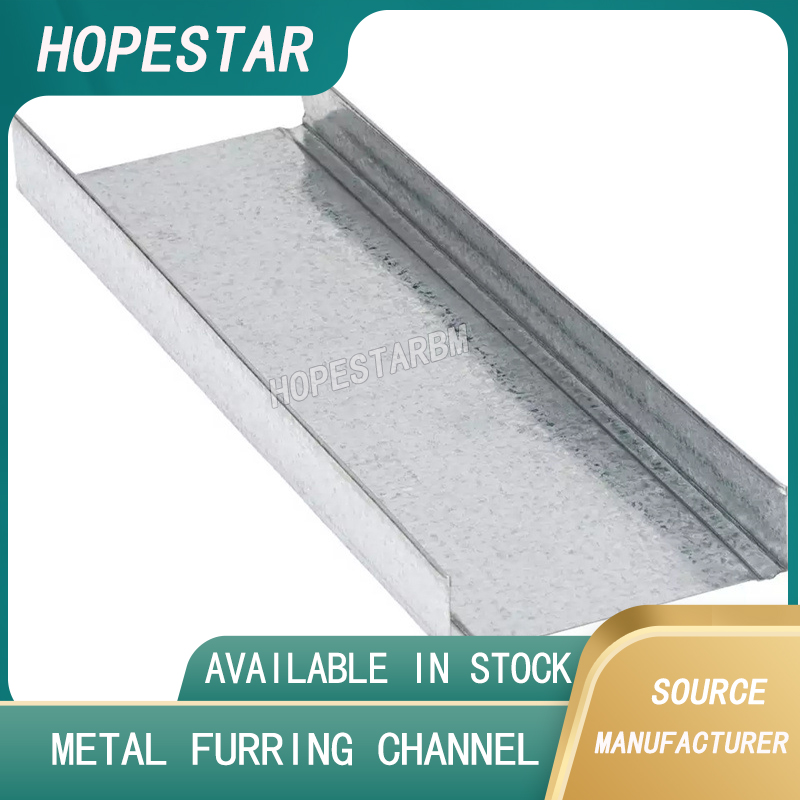
Metal Furring Channel Sizes: A Guide for Construction and Drywall Installation
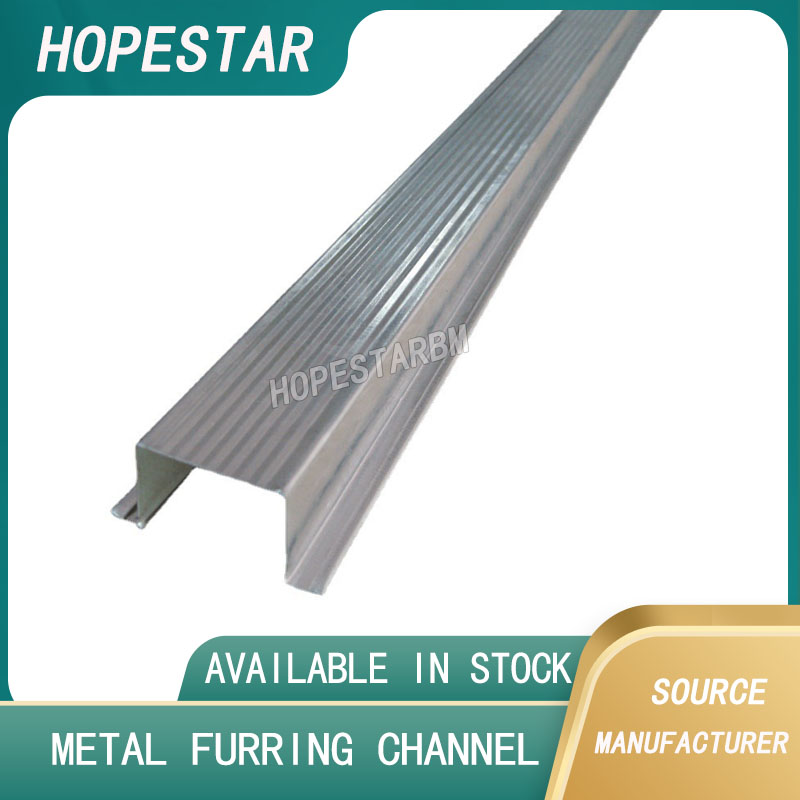
Metal furring channels—also known as hat channels—are essential components in drywall and ceiling installations. They provide a level and stable surface to attach drywall panels, especially when working over uneven ceilings or walls. Choosing the right size of metal furring channel is crucial to ensure structural integrity and ease of installation.
Common Sizes of Metal Furring Channels
Metal furring channels come in various sizes depending on the application and load requirements. The sizes generally refer to the width, depth (height), and length of the channel.
1. Width
-
Typical widths range from 7/8 inch (22 mm) to 1 1/2 inch (38 mm).
-
The most common width used in drywall ceilings is around 7/8 inch (22 mm).
2. Depth (Height)
-
The depth of the channel usually varies between 7/8 inch (22 mm) and 1 1/2 inch (38 mm).
-
Deeper channels offer greater strength and stiffness, suitable for longer spans or heavier loads.
3. Length
-
Standard lengths vary from 8 feet (2.44 meters) to 12 feet (3.66 meters) or longer.
-
Custom lengths can also be ordered to fit specific project needs.
Choosing the Right Size
-
Light-duty applications (e.g., ceilings with minimal load): smaller depth channels like 7/8 inch work well.
-
Heavy-duty applications (e.g., ceilings with insulation, mechanical systems above, or longer spans): larger depth channels like 1 1/2 inch are preferred.
-
Consider local building codes and manufacturer recommendations when selecting sizes.
Additional Specifications
-
Metal furring channels are usually made from galvanized steel for corrosion resistance.
-
Thickness typically ranges from 0.015 inch (0.38 mm) to 0.05 inch (1.27 mm).
-
Some channels feature pre-punched holes to facilitate wiring and faster installation.
Applications of Different Sizes
-
7/8 inch channels are popular for residential ceilings and walls.
-
1 1/4 inch to 1 1/2 inch channels are often used in commercial buildings or where additional strength is needed.
Conclusion
Understanding the sizes of metal furring channels helps ensure the right choice for drywall and ceiling framing projects. Selecting the appropriate width, depth, and length based on load requirements and installation conditions will contribute to a safe, durable, and efficient build.
What Are Metal Corner Beads?Advantages of Metal Corner Beads
What Is a Drywall Metal Channel?
Related Article