What Is a Drywall Metal Channel?
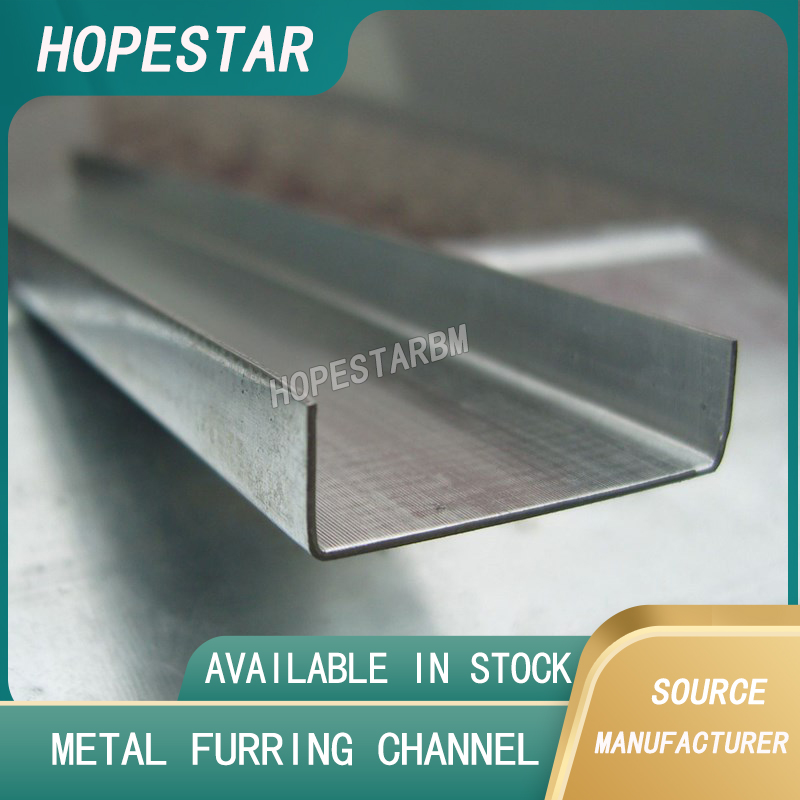
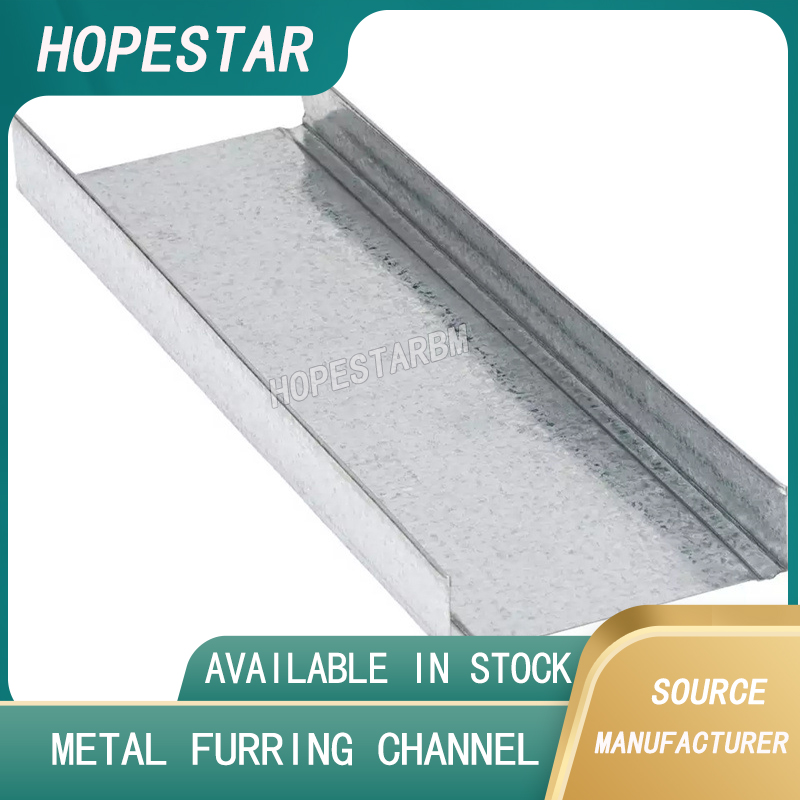
A drywall metal channel is a cold-formed steel profile used as a structural framework in drywall construction. It serves as a key component in framing walls, ceilings, and partitions, providing support for drywall panels and ensuring a stable, durable structure.
Types of Drywall Metal Channels
-
C-Channels: Shaped like the letter “C,” commonly used as vertical studs or horizontal tracks in wall framing.
-
U-Channels (Track Channels): U-shaped channels that usually serve as a base or top track into which C-channels are inserted.
-
Furring Channels (Hat Channels): Specialized channels used to level ceilings or walls, often for creating space for insulation or utilities.
Advantages of Using Metal Channels for Drywall
-
High Strength and Stability
Metal channels offer excellent rigidity and load-bearing capacity compared to traditional wood framing. -
Lightweight and Easy to Handle
Steel channels are lightweight, making them easier to transport and install. -
Corrosion Resistance
Typically galvanized, metal channels resist rust and corrosion, ideal for use in humid or damp environments. -
Fire Resistance
Steel is non-combustible, enhancing the fire safety of framed structures. -
Dimensional Consistency
Manufactured under strict quality control, metal channels have precise dimensions, reducing errors during installation.
Common Applications of Drywall Metal Channels
-
Interior wall framing for residential and commercial buildings
-
Suspended ceilings and furring systems
-
Partition walls and room dividers
-
Renovation and retrofit projects requiring durable, lightweight framing
Installation Tips
-
Ensure proper fastening of channels to structural elements using appropriate screws or anchors.
-
Maintain correct spacing according to drywall manufacturer recommendations (usually 16 or 24 inches on center).
-
Use metal connectors and braces where additional support is needed.
Conclusion
Drywall metal channels are essential components for modern drywall construction, providing strength, durability, and flexibility. Their resistance to fire, corrosion, and pests makes them superior to traditional wood framing, especially in commercial and high-moisture environments.
Metal Furring Channel Sizes: A Guide for Construction and Drywall Installation
What Is Furring a Ceiling for Drywall?
Related Article