What Are the Common Sizes of Canadian Light Steel Keel?
Canadian light steel keel is a widely used framing material in construction and interior decoration, favored for its high strength, lightweight, and durability. Designed for the harsh cold climates of North America, Canadian light steel keel has unique advantages in design and manufacturing. This article will introduce the common sizes of Canadian light steel keel and its cold resistance to help you better understand and select the right product.
Common Sizes of Canadian Light Steel Keel
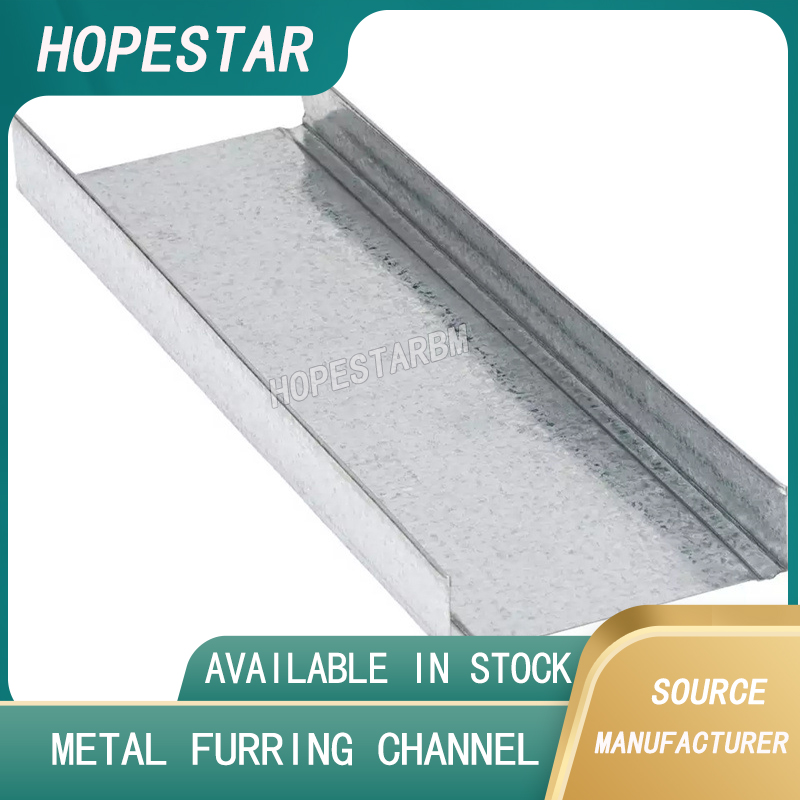
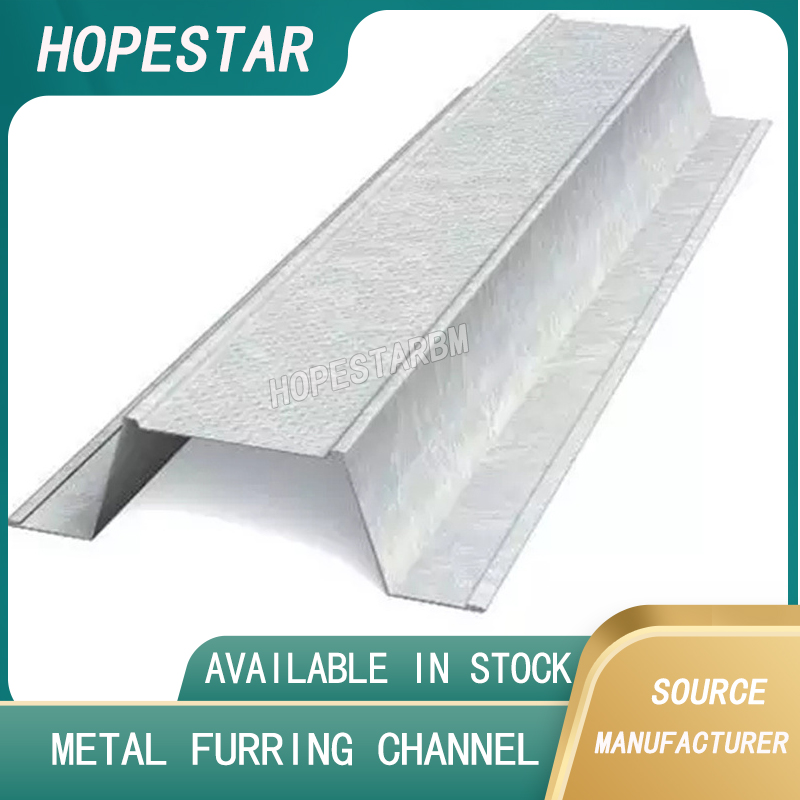
The size standards for Canadian light steel keel are relatively uniform and mainly include three types: main keel, secondary keel, and edge keel. Typical dimensions are:
-
Main Keel Width: Common widths are 60mm, 70mm, and 90mm. The width determines the load-bearing capacity and application range.
-
Keel Height (Thickness): Usually 27mm, 30mm, or 35mm. A higher keel height helps improve overall structural rigidity.
-
Steel Thickness: Commonly 0.4mm, 0.5mm, or 0.6mm. Thicker steel increases load capacity and resistance to deformation.
-
Secondary Keel Width and Thickness: Generally smaller than the main keel, for example, 50mm wide with 0.4mm thickness.
-
Edge Keel Specifications: Usually 20mm to 30mm wide, with thickness matching the main keel, used to fix walls or ceiling edges.
These dimensions comply with Canadian and North American building codes and construction practices, ensuring safety and ease of installation.
Cold Resistance of Canadian Light Steel Keel
Canada’s cold climate, with winter temperatures often dropping below minus tens of degrees Celsius, demands high cold resistance from building materials. Canadian light steel keel performs excellently in this regard, reflected by:
-
Strong Material Stability
Made of high-quality cold-rolled steel with galvanization, it resists brittleness or deformation caused by low temperatures, ensuring long-term structural stability. -
Corrosion Resistance Design
The galvanization thickness meets North American standards, protecting against snow, ice, and moisture corrosion, thereby extending service life. -
Good Thermal Expansion and Contraction Performance
The steel keel has a relatively low coefficient of thermal expansion and contraction, adapting well to temperature fluctuations and preventing loosening of joints or structural damage. -
Compliance with Strict Building Codes
Canadian and North American regions impose stringent standards on cold resistance, fire safety, and structural integrity. The light steel keel has passed multiple tests to meet these high requirements.
Summary
Canadian light steel keel comes in various common sizes to meet the design needs of different ceilings and partitions. Its superior materials and manufacturing processes ensure excellent cold resistance, suitable for Canada and other cold regions. Choosing Canadian light steel keel that meets the standards guarantees construction quality while enhancing building safety and durability.
Analysis of the Advantages and Application Scenarios of Australian Light Steel Framing
What Are the Common Sizes of Australian Light Steel Ceiling Systems?
Related Article