What Is a Furring Channel? A Complete Guide for Modern Construction
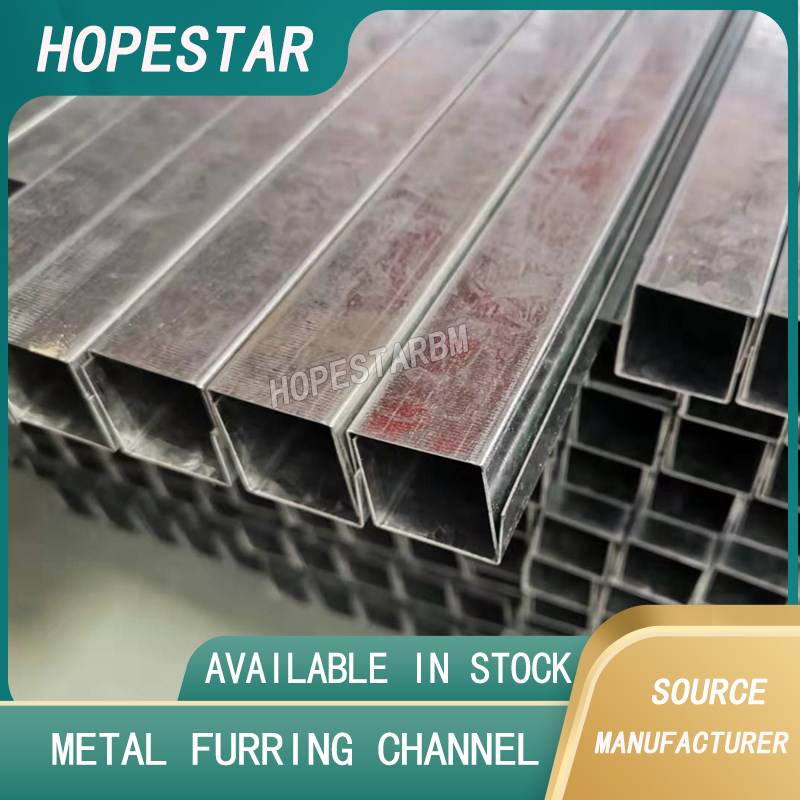
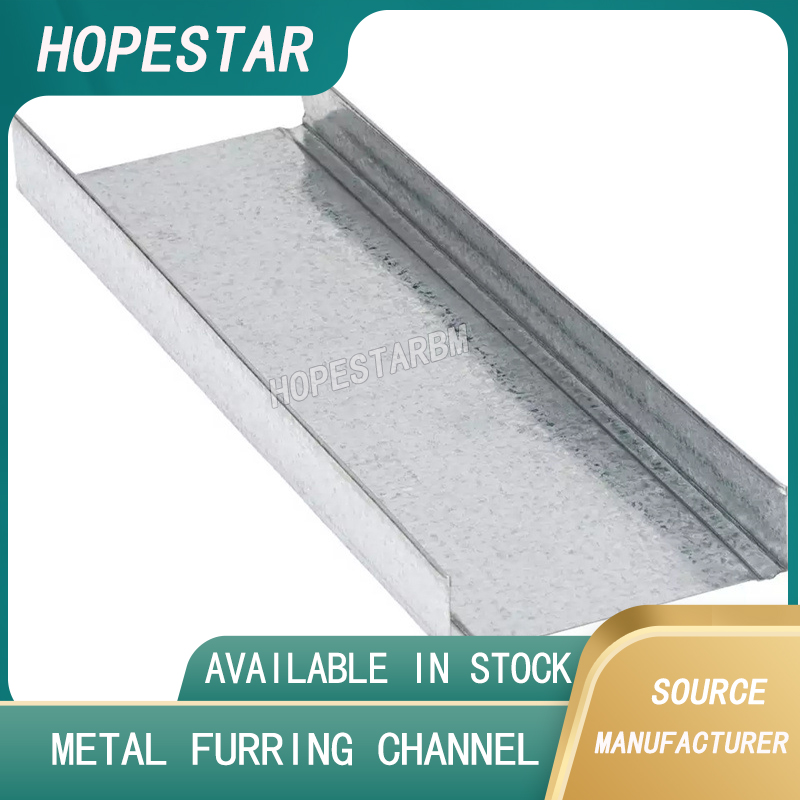
A furring channel is a lightweight, versatile metal profile used to create level, stable surfaces for walls and ceilings. Whether in residential homes or large commercial buildings, furring channels play a key role in framing, insulation support, and drywall installation. Because of their strength, corrosion resistance, and easy handling, they have become a standard component in modern construction systems around the world.
Definition of a Furring Channel
A furring channel—sometimes called a hat channel or metal furring—is a cold-formed steel section shaped to provide structural support behind interior finishes. Installers attach the channel to the main frame or substrate, creating a smooth and even surface where drywall, cladding, or ceiling boards can be securely fixed.
These channels are typically manufactured from galvanized steel, giving them excellent resistance to moisture, rust, and long-term deformation. Their lightweight design also reduces load on the structure while maintaining strong support.
What Does a Furring Channel Do?
1. Creates a Level Surface
Walls and ceilings are not always perfectly flat. Furring channels correct uneven areas and create a uniform plane, ensuring that the final finish looks clean and professional.
2. Provides Space for Insulation
The gap between the substrate and the furring channel offers room for acoustic or thermal insulation materials. This improves energy efficiency and sound reduction, especially in apartments, offices, and commercial buildings.
3. Supports Drywall and Ceiling Panels
Furring channels act as a stable foundation for drywall sheets, gypsum boards, fiber cement panels, and other claddings. Their structural strength prevents sagging or cracking, even in large ceiling spans.
4. Enhances Moisture Protection
In basements and humid environments, separating cladding from the main wall surface helps reduce condensation buildup. The channel creates airflow behind the wall, minimizing the risk of mold and dampness.
5. Improves Fire and Acoustic Performance
Certain building systems require specific spacing between layers to meet fire-resistant or acoustic standards. Furring channels help achieve these requirements by creating controlled separation between materials.
Common Applications
Furring channels are widely used in:
-
Drywall partition systems
-
Suspended and drop ceilings
-
Exterior cladding support
-
Basement wall framing
-
Soundproofing installations
-
Renovation projects requiring wall leveling
Their flexibility makes them suitable for concrete, masonry, steel frames, and wooden substrates.
Types of Furring Channels
Although designs vary by region, the most common types include:
-
Hat-shaped channels for ceilings and walls
-
U-shaped furring channels for direct fixing
-
Omega channels for lightweight cladding
-
Z-furring channels for insulation placement
Each style offers different advantages depending on the installation requirements.
Conclusion
A furring channel may look simple, but it plays a crucial role in achieving durable, smooth, and long-lasting interior and exterior finishes. Its ability to level surfaces, support cladding, and improve insulation performance makes it an essential component in modern construction. For builders seeking a reliable, corrosion-resistant, and cost-effective framing solution, the furring channel remains one of the most dependable choices available.
What Are the Features of Australian Light Steel Keels? These 6 Points You Must Know
Why Metal Corner Bead Protectors Are Essential for Durable Drywall Finishing
Related Article