Understanding Metal Hat Channel Sizes: A Complete Guide for Builders and Contractors
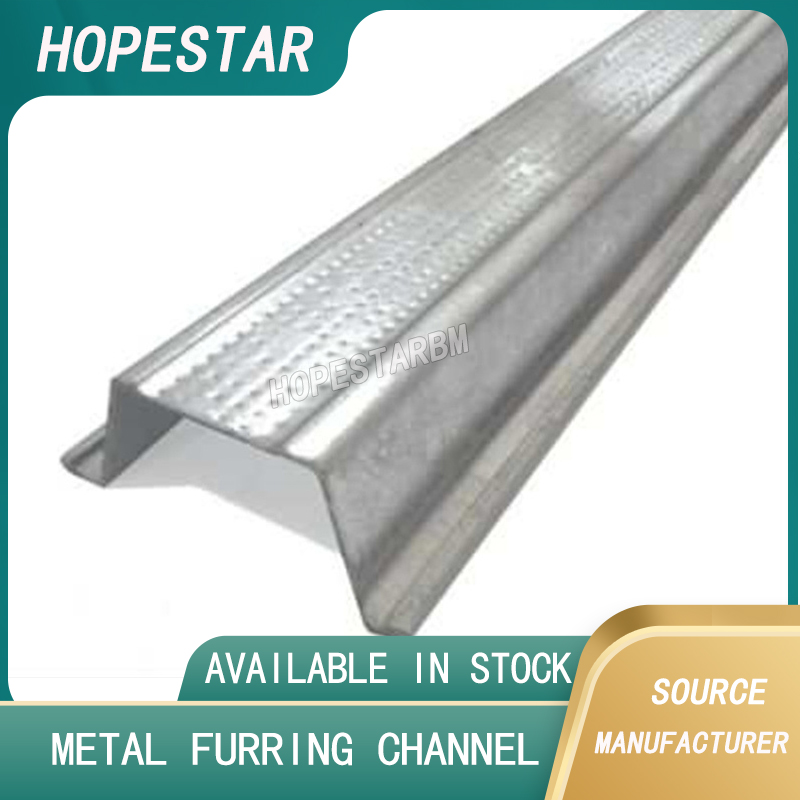
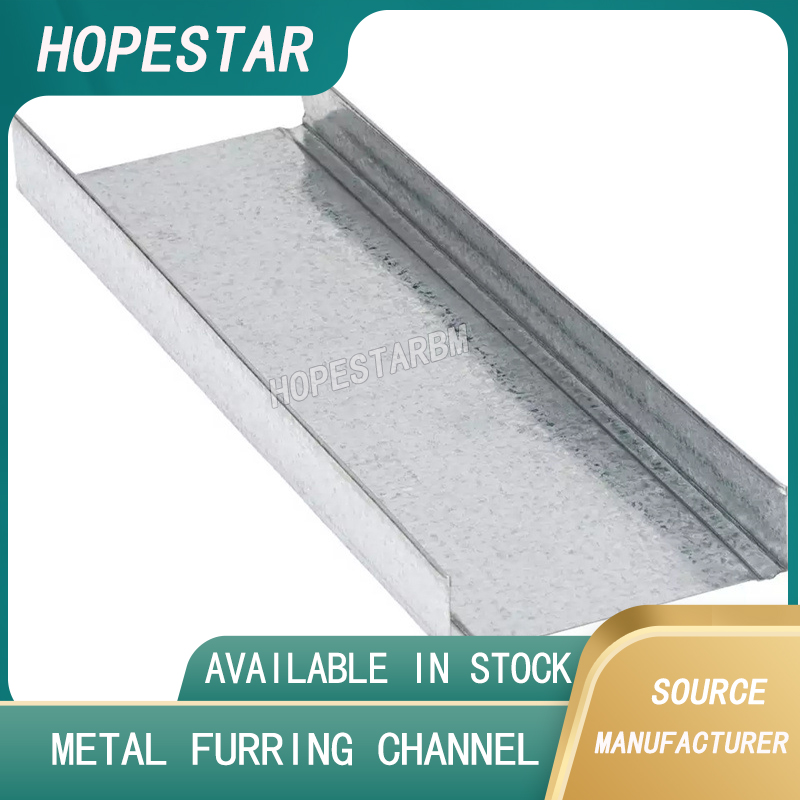
Metal hat channels, also called furring hat channels, are widely used in drywall framing, ceiling suspension, and soundproofing assemblies. Their distinctive “hat-shaped” profile provides excellent rigidity while keeping surfaces straight and stable. For contractors, architects, and material buyers, understanding metal hat channel sizes is essential for choosing the right profile for load-bearing requirements, installation methods, and project specifications.
Why Metal Hat Channel Sizes Matter
Different construction environments require different levels of support and structural integrity. Hat channels come in multiple widths, heights, and thicknesses to meet the demands of commercial, residential, and industrial interiors. The right size directly affects the stiffness of the framing system, the spacing between fasteners, and the overall performance of the wall or ceiling. Selecting incorrect dimensions may lead to vibration issues, surface unevenness, or even reduced sound insulation.
Common Widths and Heights of Hat Channels
Hat channels are typically produced in several standard widths to match various drywall and cladding systems. Popular width options include 7/8 inch, 1 inch, 1-1/2 inches, and 2 inches, each offering different levels of rigidity. The height of the hat profile usually ranges between 1/2 inch to 7/8 inch, which determines how far the channel stands off the substrate. Taller profiles are favored in soundproofing applications because they create a larger gap that helps reduce sound transfer.
Material Thickness Options
Gauge thickness is another key factor. Hat channels are often manufactured in 25 gauge, 22 gauge, 20 gauge, and 18 gauge galvanized steel. Thicker gauges offer higher load-bearing strength and durability, especially for ceilings with heavy insulation or multi-layer drywall. For light commercial partitions, 25-gauge is usually sufficient, while industrial projects rely on 20- or 18-gauge material for enhanced stability.
Length Standards for Easy Installation
Most metal hat channel sizes are available in lengths from 8 feet to 12 feet, though custom lengths can be ordered for large-scale job sites or specialized layouts. Longer channels reduce the number of joints, making the installation cleaner and stronger. Shorter lengths provide easier handling in tight or obstructed spaces.
Choosing the Right Size for Your Project
For ceilings, wider and thicker hat channels are generally preferred because they distribute weight more effectively. In wall assemblies, mid-size channels offer the perfect balance of strength and flexibility. For acoustic rooms, studios, or hotels, a 7/8-inch deep hat channel is commonly used to improve sound isolation.
Final Thoughts
Understanding metal hat channel sizes helps you make informed purchasing decisions, reduces installation errors, and ensures the structural reliability of your building project. Whether you are working on a drywall partition, a suspended ceiling, or a soundproofing upgrade, choosing the correct width, height, gauge, and length will optimize both performance and cost.
Galvanized Steel: Benefits, Applications, and Why It Remains a Top Construction Material
Carrying Channel vs Metal Furring: Understanding the Key Differences in Ceiling Systems
Related Article